Contemporary forced-proximity romance keeps the central couple in repeated contact through a practical arrangement: a shared lease, disrupted travel, temporary accommodation or required work. These stories use everyday settings. What matters is the particular reason for staying close, and what the couple chooses to do with that time.
For ordinary domestic care after a breakup, start with Funny Story. For exes with nowhere comfortable to sit, try The Road Trip; for two women sharing a meaningful journey, consider Here We Go Again. Compare all 12 reviewed selections below by the pressure you want, then check the individual assessment before choosing.
Original editorial artwork about attraction in shared accommodation; no particular novel or published cover is depicted.
Updated 7 October 2026 · Eikna Editorial Team · Researched selections
Choose the kind of closeness you want
A roommate romance has time for meals, untidy habits and the small decisions involved in sharing a home. A road trip puts the relationship inside a moving deadline, often with other passengers watching. Work can require the leads to meet repeatedly without making them share a bed or surrender their whole private life.
These differences matter more than treating every selection as a story about being trapped. Some arrangements are chosen responses to a housing problem. Others arise from transport failure or a mandatory assignment. Shared space creates an opportunity to learn about someone; it does not establish consent, emotional readiness, slow burn or an agreeable relationship.
This collection narrows the full forced-proximity guide to contemporary settings. For more everyday love stories with different starting relationships, the contemporary romance hub compares careers, family and romantic arrangements. Fantasy, political marriages in invented worlds and survival-focused suspense are not the focus here.
Compare the 12 books at a glance
Heat levels remain unestablished in these records. An unknown ending or series entry means the evidence is incomplete, not that the book has no sex, no happy resolution or no sequels. Known romantic outcomes are concealed until you choose to reveal them.
Start with the arrangement, then check the review for the experience of reading it
Purchases through Amazon, Bookshop.org and Libro.fm links may earn us a commission. As an Amazon Associate, Eikna Romance earns from qualifying purchases, at no extra cost to you.
Roommate romances: a home they have to share
Start here when you want living arrangements to matter day after day. These five choices include emergencies, an unexpected lease and a renovation. Consider how money, privacy and the planned duration affect each person’s freedom to make decisions.
Funny Story
Emily Henry
Daphne needs an affordable home after her engagement ends and proposes sharing with Miles, whose relationship has also fallen apart. Their housing arrangement is a choice under practical pressure, giving them repeated contact while each is still dealing with someone else’s decision. checked author or publisher premise.
Choose this when you want domestic familiarity to sit beside the work of starting again. A shared kitchen can reveal how a person responds to an ordinary bad day; that is a different attraction from meeting someone only at their most impressive. The misleading photos add a public performance, but the private living arrangement is the reason it belongs here.
Before choosing: Shared heartbreak does not establish low angst. Read the assessment’s family and relationship cautions before choosing it as a comfort read. full review and content discussion.
Edition buttons become available when the specific format and destination are checked. Check the selected format before buying.
The American Roommate Experiment
Elena Armas
A collapsed ceiling sends Rosie to the apartment she hoped to borrow, only to find Lucas already there. He offers to share it temporarily. The practical rescue becomes romantic contact through experimental dates, while his planned return to Spain puts a limit on the arrangement. checked author or publisher premise.
The appeal is having daily closeness and a deadline at the same time. If you like care expressed through practical help, compare this with the more combative roommates below. If you need a powerful reason for the leads to resist each other, read the review’s reservation about how much conflict the attraction actually faces. Housing pressure and romantic resistance are separate questions.
Before choosing: The review discusses career uncertainty and an accident reported by a critic. A warm romantic premise is not a complete content guide. full review and content discussion.
Edition buttons become available when the specific format and destination are checked. Amazon opens a title-and-author search; choose your edition there.
The Roommate
Rosie Danan
Clara’s move across the country leaves her sharing a summer sublet with Josh rather than the childhood crush she expected. Their shared lease supplies ordinary domestic contact; their later sex-education venture adds a reason to keep working together as the relationship develops. checked author or publisher premise.
This is a useful choice when you want accommodation to lead into collaboration. The romance has to negotiate both living beside another person and making something with them, which gives trust practical consequences. Readers interested in sex-worker representation should start with the full assessment, which considers everyday tenderness alongside its reservations about the handling of family confrontation.
Before choosing: Adult entertainment and family rejection are discussed in the review. The subject matter does not establish a numeric heat level. full review and content discussion.
Edition buttons become available when the specific format and destination are checked. Amazon opens a title-and-author search; choose your edition there.
The Co-op
Tarah DeWitt
LaRynn and Deacon inherit joint ownership of a building that needs work. They marry to unlock funds for the renovation and live together while completing it. Money, labor and an unfinished home keep the former lovers involved in each other’s days. checked author or publisher premise.
Choose this for proximity that demands decisions rather than simply leaving the leads in the same room. The project gives them visible work to do, but finishing a building cannot stand in for discussing old hurt. The assessment is particularly useful if you want to know whether a practical partnership is accompanied by enough conversation to make the renewed emotional bond convincing.
Before choosing: Read the review’s notes on bereavement, harmful parenting and old misunderstandings. Renovation does not make this a carefree shared-home story. full review and content discussion.
Edition buttons become available when the specific format and destination are checked. Amazon opens a title-and-author search; choose your edition there.
Mr. Wrong Number
Lynn Painter
After a run of misfortune, Olivia moves into the apartment her brother shares with Colin. Anonymous flirtatious messages create a second connection, and Colin discovers the person behind them before Olivia knows who she is talking to. Shared housing makes that hidden identity harder to keep separate from everyday life. checked author or publisher premise.
Compare this when you enjoy attraction operating in two different registers: the person seen across the room and the person encountered through a screen. The interest lies in what happens when those impressions collide. Readers who need concealed identity or ghosting to receive a thorough reckoning should consult the review before treating the texting as uncomplicated fun.
Before choosing: The assessment includes fire, family pressure and sexual texting. Look there for the attributed details rather than assuming a closed-door comedy. full review and content discussion.
Edition buttons become available when the specific format and destination are checked. Amazon opens a title-and-author search; choose your edition there.
Road trips and temporary stays
Travel can concentrate contact without making the experience light. Compare a crowded car, a shared van, a camp room and an island cabin. The reason for the journey and the people outside the central couple change what the romance has to address.
Here We Go Again
Alison Cochrun
Logan and Rosemary, former friends who now clash, accompany their terminally ill mentor across the country in one van. The journey brings them together for more than an occasional meeting, while caring for someone important to both gives the travel a purpose beyond their attraction. checked author or publisher premise.
Choose this when you want another relationship to matter inside the romance, rather than a road trip engineered solely to get the couple alone. The shared responsibility asks different things of the leads than a holiday does. Their earlier bond also changes the question: time together may expose what remains between them, but it does not erase why friendship became difficult.
Before choosing: Terminal illness is part of the premise. Read the full review for its assessment of grief, the friendship history and the developing romance. full review and content discussion.
Edition buttons become available when the specific format and destination are checked. Amazon opens a title-and-author search; choose your edition there.
You, with a View
Jessica Joyce
Noelle plans to follow the honeymoon route her late grandmother never took. The grandmother’s former love joins her and insists his grandson Theo come along. Noelle’s old rival becomes her travel companion, so the journey puts present-day attraction alongside another generation’s unfinished plans. checked author or publisher premise.
Start here when you want travel to mean something beyond a picturesque background. Retracing a loved one’s intentions offers a reason to keep going even when the company is inconvenient. If you prefer the couple’s present connection to develop independently of their school history, compare the review’s discussion of how much that remembered rivalry contributes to the relationship.
Before choosing: Bereavement and unemployment shape the premise. The family journey should not be read as a promise that the romantic conflict is gentle. full review and content discussion.
Edition buttons become available when the specific format and destination are checked. Amazon opens a title-and-author search; choose your edition there.
The Road Trip
Beth O'Leary
A collision wrecks Dylan’s car on the way to a wedding, leaving him and a friend to share Addie’s cramped Mini. Five travelers and a deadline reduce the space available to the estranged couple. The vehicle is small; the previous relationship is not a small part of the story. checked author or publisher premise.
This suits readers who want the journey to reopen an existing romance rather than launch a new one. Other passengers create an audience, making privacy a different problem from isolation in a cabin. The full assessment weighs the comic ensemble against serious relationship damage. Use it if you need the renewed bond to involve sustained accountability, not merely proximity and remembered attraction.
Before choosing: The review reports sexual assault, depression, alcoholism, homophobia and abusive parenting. Check those attributed notes before choosing a light road-trip escape. full review and content discussion.
Edition buttons become available when the specific format and destination are checked. Amazon opens a title-and-author search; choose your edition there.
One Night on the Island
Josie Silver
Cleo and Mack separately book the same one-room island cabin. Neither intends to share the retreat, and the next weekly ferry limits an immediate change of plan. This is the collection’s clearest accommodation mistake: two chosen solo stays become an unwanted shared space. checked author or publisher premise.
Choose it when a temporary home and an island community appeal more than a packed itinerary. The constraint is straightforward, but emotional availability still needs a separate check. The existing assessment considers self-discovery alongside attraction and flags Mack’s unresolved marital attachment. A remote cottage can reduce physical distance without making the people inside it ready for the same relationship.
Before choosing: Read the marriage and fatherhood discussion if you need an emotionally available love interest from the outset. Isolation is not an assurance of uncomplicated courtship. full review and content discussion.
Edition buttons become available when the specific format and destination are checked. Amazon opens a title-and-author search; choose your edition there.
That Summer Feeling
Bridget Morrissey
Garland chooses a week at an adult summer camp and ends up rooming with Stevie. Shared lodging and camp activities give them repeated contact. This is a retreat arrangement, not an established inability to leave, so it belongs at the more voluntary end of the proximity spectrum. checked author or publisher premise.
Compare it with the harsher travel constraints when you want an agreed temporary setting to open new possibilities. Adult camp lets a familiar childhood experience take on different meaning after divorce. The review considers the appeal of friendship and attraction alongside a reservation about how much self-discovery can feel convincing within a single week. Short duration is part of the choice.
Before choosing: Divorce, sexuality discovery and family expectations appear in the assessment. Seek a separate heat check if your preference depends on sexual presentation. full review and content discussion.
Edition buttons become available when the specific format and destination are checked. Amazon opens a title-and-author search; choose your edition there.
Workplace contact with a specific obligation
These two selections identify more than a shared employer: required counseling or the same shift and task keep the leads involved. Choose them when cooperation, professional reputation and the people around the couple are part of the appeal.
The Worst Guy
Kate Canterbary
After an argument leaves an examination room damaged, the hospital requires Sebastian and Sara to attend eight weeks of conflict-resolution counseling. Their shared workplace alone would be a loose reason for inclusion; these specific required sessions are the mechanism that keeps them confronting one another. checked author or publisher premise.
Choose this for repeated contact with professional consequences, rather than the domestic rhythm of a shared apartment. A formal attempt to manage hostility gives the relationship a different starting point from a pleasant team assignment. The review is the place to compare the banter and antagonism with your tolerance for abrasive interaction; a requirement to cooperate does not mean you will enjoy the way they do it.
Before choosing: Contemporary classification is verified from All About Romance’s exact-title review. The author’s book page explicitly verifies the required conflict-resolution sessions. full review and content discussion.
Edition buttons become available when the specific format and destination are checked. Amazon opens a title-and-author search; choose your edition there.
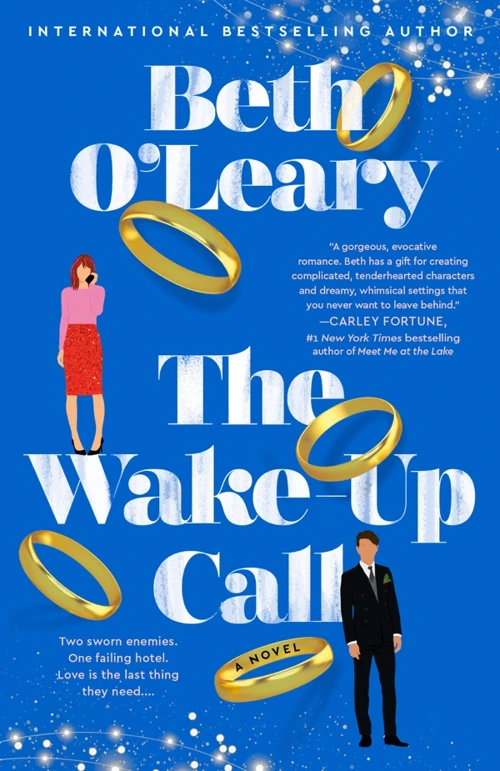
The Wake-Up Call
Beth O’Leary
Izzy and Lucas are assigned the same front-desk shift while their hotel is under financial strain. Returning lost rings becomes part of trying to protect the business and their jobs. The shared shift and task create sustained contact, rather than mere employment in the same building. checked author or publisher premise.
This is a good comparison for readers interested in a workplace community as well as the central couple. The practical stakes give cooperation a reason to matter, while the hotel leaves room for other people to affect their days. If your preferred proximity story happens away from work, start with the travel section instead; here, the attraction has to fit inside ongoing professional duties.
Before choosing: The review discusses family bereavement and the hotel’s financial crisis. A busy comic workplace can still carry personal grief. full review and content discussion.
Edition buttons become available when the specific format and destination are checked. Amazon opens a title-and-author search; choose your edition there.
Questions before choosing
Does forced proximity have to mean literal confinement?
No. This collection distinguishes mandatory contact and limited transport from shared housing chosen under practical pressure. A camp stay is more voluntary than a double-booked cabin with a delayed ferry. Each card identifies the arrangement, so you can decide whether it is close enough to the version of the trope you want.
Are these all roommates-to-lovers books?
Five selections center on sharing a home; others use travel, temporary lodging or work. A shared apartment allows a different rhythm from a journey with a deadline. Use the arrangement filter if ordinary domestic contact is your main interest.
Does every workplace romance count as forced proximity?
We look for a concrete obligation beyond having the same employer. The Worst Guy specifies required counseling; The Wake-Up Call specifies a shared shift and task. Simply working in the same building does not explain why the leads must keep interacting.
Are these all enemies to lovers or slow burn?
No. Proximity describes their circumstances, not their prior bond or the speed of the attraction. The group includes strangers, former friends, former partners and rivals. Read the relationship analysis in each assessment rather than expecting hostility or delayed intimacy from this label alone.
Can I find contemporary romances between two women here?
Yes. Here We Go Again centers on Logan and Rosemary sharing a cross-country journey. That Summer Feeling puts Garland and Stevie in the same camp accommodation. Compare the purposes of those trips as well as the pairing: care for a mentor creates different stakes from choosing a holiday.
Are the camp and cabin choices cozy or closed door?
Those conclusions need separate evidence. A pleasant setting does not settle sexual presentation, grief or relationship complications. If a particular boundary matters, follow the content discussion rather than use the illustration or the holiday premise as reassurance.
Can I choose by ending or series order?
The comparison table reveals HEA or HFN only when supported in the structured record. Most outcomes and prerequisites in this selection still need further assessment. A publisher’s contemporary-romance category is not independent proof of an ending, and an absent series entry is not a standalone claim.
Choose what the shared time should change
If you want the couple to repair an old romantic bond, the second-chance guide distinguishes reunion from marriage repair. If you want them to discover attraction inside a trusted bond, friends to lovers starts from a different kind of familiarity.
For contact that also involves convincing other people, the fake-dating collection explains the audience’s role. The heat-level guide helps you ask about detail and frequency, while the glossary definition keeps the broader trope distinct from one bed and slow burn.
How we chose these books
All 12 books have published Eikna Romance assessments and individually inspected evidence for the contact mechanism. Eleven have a title-specific contemporary classification from a publisher. The Worst Guy now has a verified contemporary classification from All About Romance’s exact-title review; its author’s book page establishes the required sessions.
The linked reviews synthesize identified sources and completed-reading criticism. They do not claim our own full first-hand reading. The premise verifies the arrangement; our explanation of who might enjoy that arrangement is editorial judgment. These notes are selective, not a complete warning inventory. The assessment method explains the limits, and Eikna Editorial Team describes the publication.