Fake dating romance starts with two people performing a relationship for someone else. A family may expect a partner, an employer may want a particular image, or an inheritance may depend on appearing settled.
Compare the audience and purpose of each arrangement, then use the full assessment to check its appeal and limitations. The broader selection includes contemporary performances, historical courtship and established starting points, while the contemporary child collection offers a more focused comparison.
Original editorial artwork inspired by this page’s theme; not an official book cover or a claimed book scene.
Updated 8 October 2026 · Eikna Editorial Team · Researched editorial assessments
Find your starting book
Use this index to compare the appeal of 31 selections, then read the individual fit notes and limitations. The sequence is a reading map rather than a quality ranking. Some examples need the more qualified explanation given in their cards.
A wedding favor grows out of an unusually intimate correspondence. Briana and Jacob are doctors whose rough first impression changes through letters; she then becomes his supposed girlfriend in front of his family. Forever / publisher-provided NetGalley description
Stopping a wedding is only the beginning of the predicament. Dean subsequently needs an apparently established partner for a professional assignment, and Solange agrees to play the girlfriend he claimed to have. Mia Sosa
A hospital misunderstanding becomes a deliberate bargain. Mel and Evan continue the invented engagement for his family, trading help with their feud for help with her influencer work. Penguin Random House / Berkley
The invented girlfriend is someone already preparing to leave. April accepts Mitch’s request to fool his family while he helps ready her house for sale; becoming emotionally attached threatens that exit plan. Penguin Random House / Berkley
Writer and barista Emily Hung asks Mark Chan to pretend they are dating so her mother will stop matchmaking. The plan becomes inconvenient when family friends keep appearing at their supposed outings. Publisher
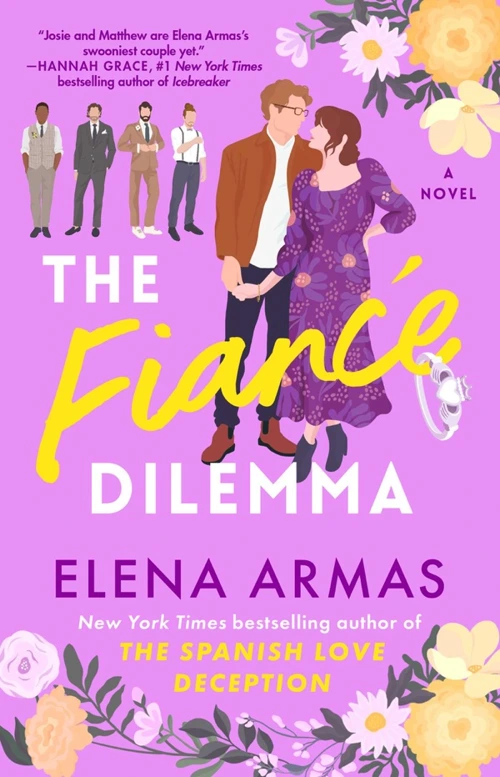
Josie Moore’s failed engagements become a publicity problem when her father announces his retirement. Matthew Flanagan is drawn into a temporary engagement that requires him to act as the attentive fiancé. Publisher
Here the invented girlfriend is professional camouflage. Hannah protects actor Jack while his mother is ill; the family must see a romantic companion rather than a security assignment. St. Martin’s Press / Google Play publisher description
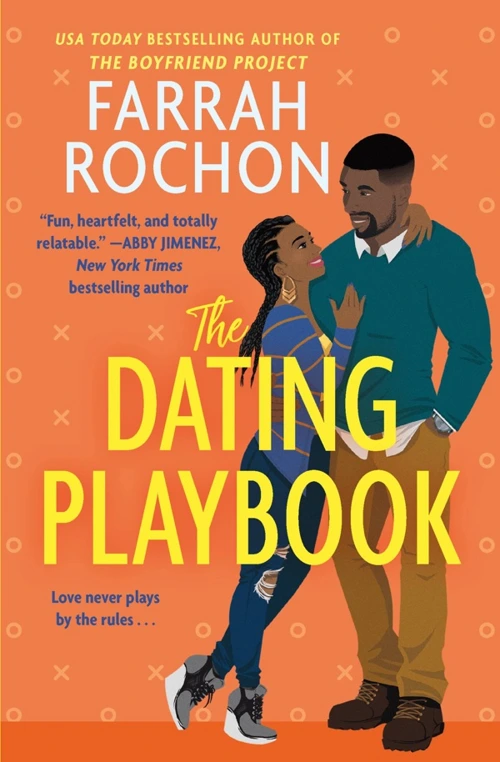
The pretend relationship protects a professional secret. Taylor needs income and Jamar needs discreet training; being seen together threatens the arrangement, so dating becomes their explanation. Hachette / Forever
Actor Grey Brooks and reclusive star Ethan Atkins agree to a publicity relationship for their careers. Real attraction develops beneath a public affair that is supposed to serve professional aims. Publisher
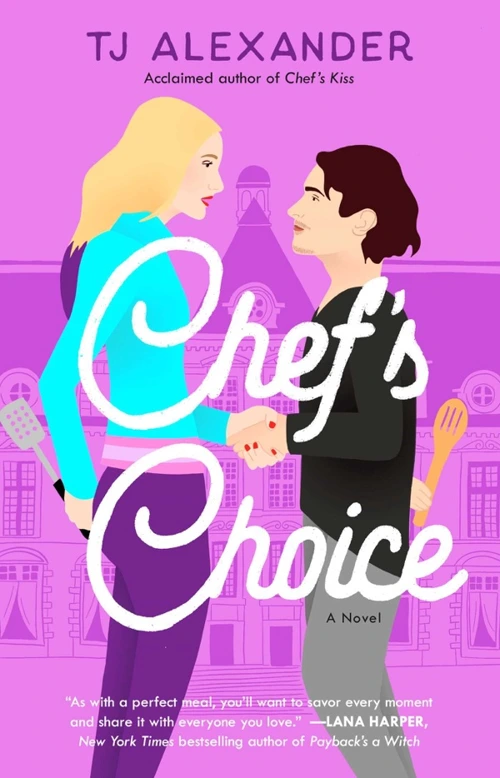
Luna O’Shea, a trans woman recently fired from her job, agrees to be paid for playing Jean-Pierre’s girlfriend. He is a trans man whose grandfather places demanding conditions on a culinary inheritance. Publisher
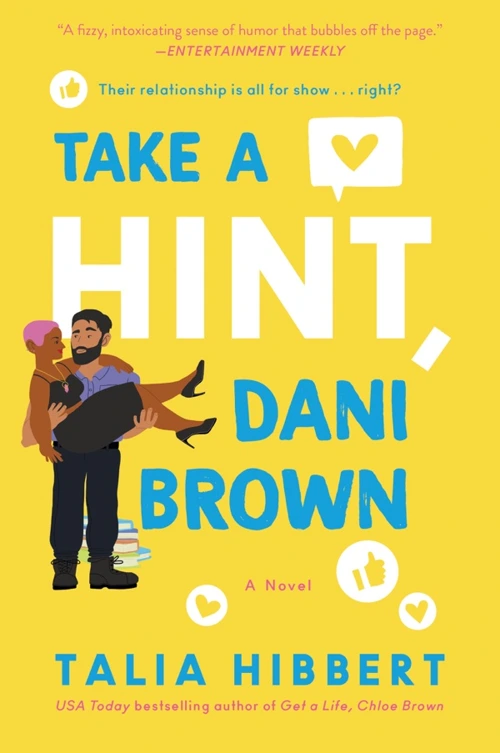
A video of Zaf rescuing Dani attracts an online audience. They agree to perform a relationship for his children’s sports charity, while Dani hopes to keep their private connection casual. Talia Hibbert
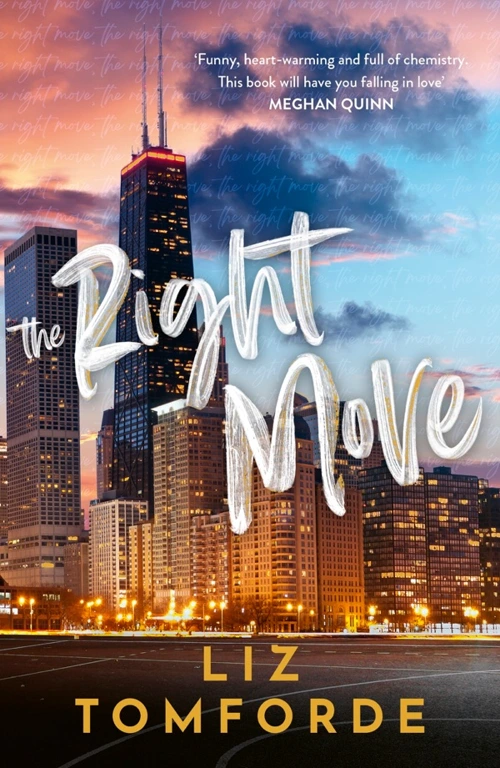
Basketball captain Ryan wants his general manager to see him as approachable. Roommate Indy wants a wedding date impressive enough to face her ex. Pretending to be together serves both public performances. Liz Tomforde
Hannah wants another man to notice her. Garrett needs academic help to protect his hockey future. Their deal exchanges tutoring for a pretend date, placing a real public audience behind the performance. Elle Kennedy
Brenna is the Briar hockey coach’s daughter; Jake plays for Harvard. She needs him as a fake boyfriend to help win an internship, while he requires a real date for every staged one. Elle Kennedy
Hazel stages a relationship with Rory, the hockey star who is her ex’s rival. The lie is meant to get back at the ex, but Rory’s warmth makes the boundary between performance and desire uncertain. Stephanie Archer
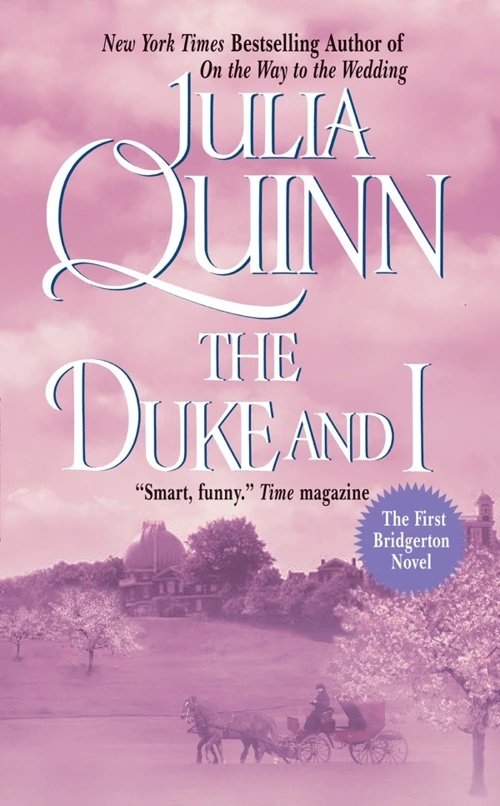
Daphne Bridgerton and Simon Basset agree to pretend courtship before London society. The arrangement should increase her options and discourage the marriage pursuers he wants to avoid. Publisher
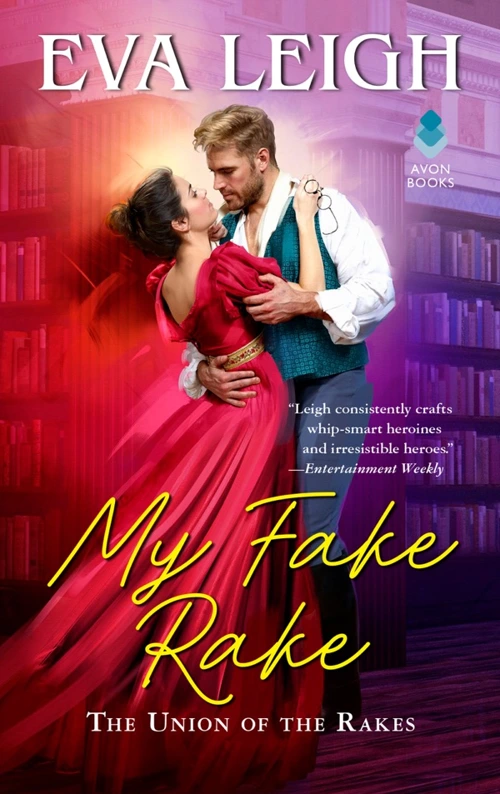
Lady Grace Wyatt asks anthropologist Sebastian Holloway to pose as a rake courting her, hoping to catch another naturalist’s eye. Their exaggerated public flirtation creates attraction the scheme was never designed to address. Publisher
The deception concerns the quality of a marriage, not whether a wedding happened. Anna and Liam must sell his family an affectionate partnership while an inheritance gives the performance financial stakes. Simon & Schuster / Gallery Books
Tansy invents a girlfriend to deter her stepfamily’s questions. When the real cover model appears, Gemma turns the lie into an engagement that could secure an inheritance and rescue Tansy’s bookstore. Alexandria Bellefleur
Claire’s engagement ends while her relationship-advice book is being considered for publication. Hiring actress Lana to play her fiancée offers a way to protect the professional image she believes the deal requires. Ylva
Olive saves a passenger during a flight despite her own fear of flying. The viral attention gives pilot Stella an idea: a fake relationship could help convince airline executives to recognize her for promotion. Macmillan
Maddox once claimed to be gay to escape pressure to marry his childhood sweetheart. Her wedding invitation now demands a boyfriend, and Damon agrees to a weekend performance in exchange for a useful professional introduction. Eden Finley
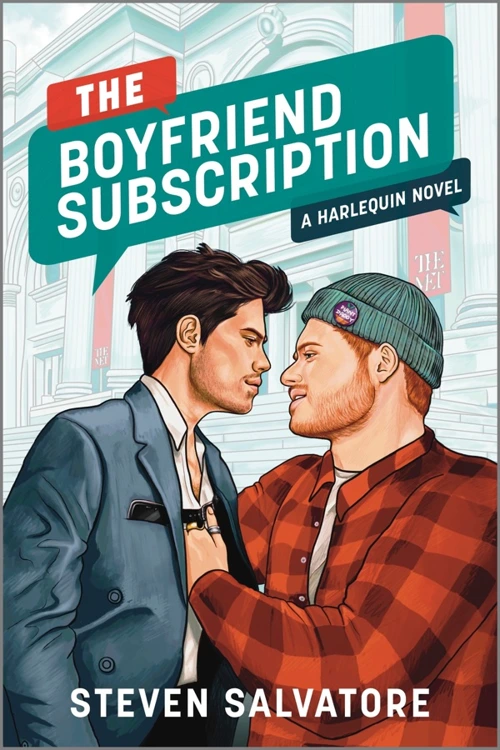
Teddy has lost his marriage and plant business when wealthy entrepreneur Cole offers him a paid week as a boyfriend. Cole needs a conventional-looking relationship for an investor; Teddy needs a financial foothold. Harlequin
Hockey player Ollie wants his family to stop pressing him about his private life. A stranger volunteers to act as his boyfriend at dinner, but Ollie later learns that Lennon is a sports journalist. Eden Finley
Olive Smith needs her best friend to believe her romantic life is settled. An impulsive kiss turns Adam Carlsen, a professor with an intimidating reputation, into the man she asks to keep the cover story going. The performance begins as social proof inside an academic world, where private embarrassment and professional ambition are hard to keep separate.
Iris and Stevie have already shared a disastrous attempted hookup when a local queer production of Much Ado About Nothing brings them together again. Stevie wants to save face with friends and asks Iris to act as her girlfriend. Iris, a romance author stuck on her next book, sees a practical use for the arrangement too.
Daisy Patel wants her relatives to stop organizing her romantic future. Liam Murphy needs a marriage to meet an inheritance condition. Their proposed solution starts with a decoy engagement and dates designed to make the relationship look convincing, so the performance points toward a practical commitment rather than remaining a casual invented boyfriend story.
Kian is hoping an unexpected message from Hudson might explain their breakup. Instead, his ex needs a boyfriend in front of visiting parents. The favor expands into a wedding appearance, where Hudson’s wealthy family needs a reassuring picture and Kian sees a possible opportunity for his journalism career.
An elevator interruption introduces Alexa and Drew just before he needs a girlfriend for his ex’s wedding festivities. She agrees to the temporary role, but the attraction does not stay within that occasion. Their jobs send them back to different cities, shifting the main question from maintaining a lie to making room for a real connection.
Maxwell Crenshaw faces pressure from his father to secure his future through marriage. Lady Helena March, a widow, wants to keep funding the London Home for Young Women despite the social disapproval surrounding her work. A false engagement offers each a practical defense against people who expect them to follow a different path.
Start with the audience they need to convince
A fake relationship has an audience and a purpose. Parents, colleagues, the public or an inheritance condition can require different kinds of performance. The reader's pleasure may come from practiced affection becoming private intimacy, or from the growing difficulty of keeping the agreement separate from what the couple wants.
Starting point
What drives it
What to check
One event
A wedding, dinner or reunion creates a brief performance
What keeps them in contact afterwards?
Family expectations
A longer cover story becomes part of ordinary routines
Can both set limits around the family's demands?
Work or publicity
The relationship affects a career or public image
Who benefits, and who carries the risk?
Pretend engagement
A claim of commitment changes the stakes
Is this a social performance or an actual legal marriage?
Start with a modern setting
Explore the twelve-book contemporary collection. The contemporary fake-dating collection compares twelve reviewed books by family, professional, publicity and inheritance pressures. Start there for modern arrangements and specific reader-fit notes. The broader hub also includes historical courtship and other relationship performances, so the reasons for pretending remain visibly distinct.
Follow a different relationship question
marriage of convenience: The marriage-of-convenience guide concerns a real marriage entered for practical reasons. The feelings may initially be absent, but the legal arrangement differs from pretending to date.
forced proximity: The forced-proximity hub asks why repeated contact is difficult to avoid. A fake relationship may produce that contact, but performing for an audience is a separate mechanism.
What belongs on this shelf?
The central couple must be pretending to an audience. Practice dates, paid intimacy lessons and a secret real relationship are different setups. A marriage of convenience qualifies only when the story also asks the couple to perform romantic attachment for other people.
The distinction matters for your choice. Red, White & Royal Blue begins with staged friendship rather than fake dating. Kiss Her Once for Me features a fake engagement with someone outside its central sapphic couple. Those premises may appeal, but neither is an interchangeable example of the arrangement used here.
For every new selection, the author or publisher describes the actual pretend relationship. The full review compares named, completed-reading criticism and its reservations; these assessments do not claim our own completed reading. Unknown details remain open.
A date to satisfy a family audience
A wedding, an insistent relative or a mistaken assumption can turn a favor into a cover story. Compare what the leads need to hide, who benefits and how much freedom each person has to end the arrangement.
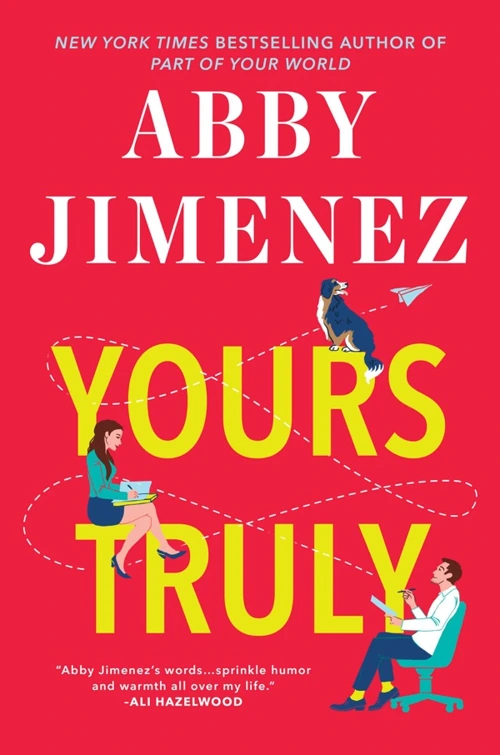
Yours Truly
Abby Jimenez
A wedding favor grows out of an unusually intimate correspondence. Briana and Jacob are doctors whose rough first impression changes through letters; she then becomes his supposed girlfriend in front of his family. Forever / publisher-provided NetGalley description
Who it suits: For readers who value letters, gentle attentiveness and anxious characters. Less suitable if prolonged misunderstanding reliably breaks your investment.
Content notes: Cece reports infidelity, panic, miscarriage discussion, medical material, parental abandonment and animal death. This is selected evidence, not an exhaustive checklist. Cece
Stopping a wedding is only the beginning of the predicament. Dean subsequently needs an apparently established partner for a professional assignment, and Solange agrees to play the girlfriend he claimed to have. Mia Sosa
Who it suits: For readers who like career-related pretending, outgoing family involvement and energetic romantic complications. Less suitable if you want quiet, deliberate emotional choices.
Content notes: Baltimore Bibliophile identifies a sexually explicit group-party sequence alongside family struggles. That setting does not establish the leads as a polyamorous couple. Baltimore Bibliophile
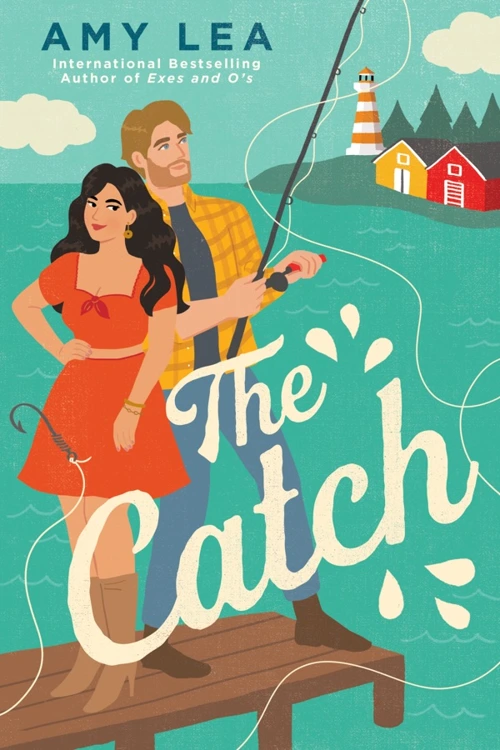
A hospital misunderstanding becomes a deliberate bargain. Mel and Evan continue the invented engagement for his family, trading help with their feud for help with her influencer work. Penguin Random House / Berkley
Who it suits: For readers who like influencer work, gruff hospitality and a family engagement charade. Less suitable if a one-week courtship needs extensive emotional justification.
Content notes: The publisher includes a boating accident. Berkley Yolanda identifies a brother’s depression and questions its follow-through. These selected notes are not a complete warning list. Yolanda
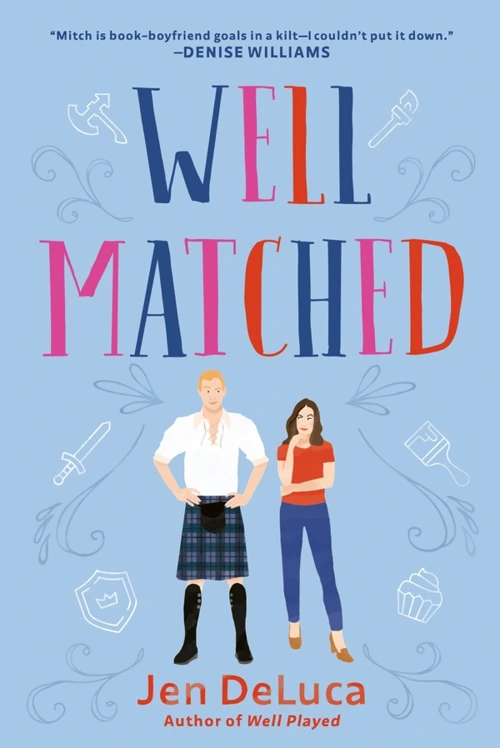
The invented girlfriend is someone already preparing to leave. April accepts Mitch’s request to fool his family while he helps ready her house for sale; becoming emotionally attached threatens that exit plan. Penguin Random House / Berkley
Who it suits: For readers interested in single motherhood, community belonging and a warmer hero. Less suitable if the fake relationship must dominate or dual viewpoints are essential.
Content notes: The primary account concerns an approaching empty nest and family pressure about career and settling down. The inspected sources do not establish an exhaustive warning list. Berkley
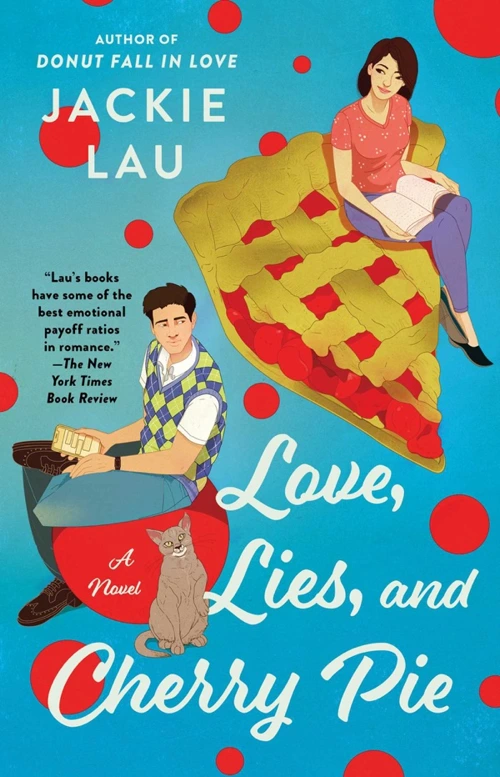
Writer and barista Emily Hung asks Mark Chan to pretend they are dating so her mother will stop matchmaking. The plan becomes inconvenient when family friends keep appearing at their supposed outings. Publisher
Who it suits: For readers who want a quieter partner’s practical support and a writer negotiating family expectations.
Content notes: Persistent marriage pressure and family monitoring drive the premise. Publisher Kaley finds the family’s disregard for Emily’s choices uncomfortable. These are not exhaustive content notes. Kaley
Josie Moore’s failed engagements become a publicity problem when her father announces his retirement. Matthew Flanagan is drawn into a temporary engagement that requires him to act as the attentive fiancé. Publisher
Who it suits: For readers who want a reassuring hero and family-publicity fake engagement inside a familiar small-town community.
Content notes: An absentee father, public scrutiny and pressure surrounding failed engagements shape the premise. Publisher Anna also discusses past trauma and personal losses. This is not an exhaustive content inventory. Anna
These couples perform for employers, sponsors, voters or a wider audience. A staged relationship can protect a career or attract attention, but the reviews also consider whose needs are being served and what happens offstage.
The Bodyguard
Katherine Center
Here the invented girlfriend is professional camouflage. Hannah protects actor Jack while his mother is ill; the family must see a romantic companion rather than a security assignment. St. Martin’s Press / Google Play publisher description
Who it suits: For readers who like capable heroines, family hospitality and kindness during grief. Approach cautiously if a convincing conversational spark is your first requirement.
Content notes: The primary premise includes stalking, family bereavement and a sick parent. Publisher description Totally Lucy also describes Hannah grieving her mother. These notes are selective. Totally Lucy
The pretend relationship protects a professional secret. Taylor needs income and Jamar needs discreet training; being seen together threatens the arrangement, so dating becomes their explanation. Hachette / Forever
Who it suits: For readers who enjoy athletic training, career uncertainty and supportive Black love. Less suitable if you need a long public charade or tightly concentrated thematic development.
Content notes: Kirkus discusses injury, grief and financial insecurity. Kirkus narfna identifies learning difficulties and family pressure. These notes are selective. narfna
Rach needs to keep her assistant job; Pres wants to win an election. After an embarrassing viral moment, his publicity team turns the attention into a fake relationship. Amanda Gambill
Who it suits: Best for readers who like public-image satire, a heroine-led perspective and gradual intimacy beneath a disastrous introduction.
Content notes: The premise includes viral exposure and employment dependence. Amanda Gambill All The Books I Can Read describes accidental public nudity and stark differences in wealth and upbringing. These are selected notes. All The Books I Can Read
Actor Grey Brooks and reclusive star Ethan Atkins agree to a publicity relationship for their careers. Real attraction develops beneath a public affair that is supposed to serve professional aims. Publisher
Who it suits: For readers comfortable with a publicity romance becoming an emotionally complicated story about grief, fame and substance use.
Content notes: Drinking problems, bereavement and a high-profile divorce are central premise pressures. Publisher Caz also highlights media intrusion and enabling behavior. These are not exhaustive cautions. Caz
Luna O’Shea, a trans woman recently fired from her job, agrees to be paid for playing Jean-Pierre’s girlfriend. He is a trans man whose grandfather places demanding conditions on a culinary inheritance. Publisher
Who it suits: For readers who want distinct trans perspectives, queer community and a fake couple learning a difficult practical task together.
Content notes: Rebecca reports transphobia and strained family relationships. Rebecca Job loss, financial pressure, misgendering and exclusion also appear in the publisher’s premise, excerpt and discussion guide. These notes are not exhaustive. Publisher
A video of Zaf rescuing Dani attracts an online audience. They agree to perform a relationship for his children’s sports charity, while Dani hopes to keep their private connection casual. Talia Hibbert
Who it suits: Best for readers who want a professionally focused heroine, a caring romance-loving hero and public performance becoming private commitment.
Content notes: Kirkus reports loss of Zaf’s father and brother in a car accident, depression and anxiety. Kirkus Reviews The author centers a heroine wary of commitment after previous relationships. Selected notes only. Talia Hibbert
An athlete’s visibility can make a pretend date useful for jealousy, reputation or a professional opportunity. That does not make the four arrangements equivalent: the specific audience and the bargain determine the pressure.
The Right Move
Liz Tomforde
Basketball captain Ryan wants his general manager to see him as approachable. Roommate Indy wants a wedding date impressive enough to face her ex. Pretending to be together serves both public performances. Liz Tomforde
Who it suits: Best for readers who want roommates becoming emotionally close, basketball as background and two-sided narration.
Content notes: The author lists explicit sex, infertility references, off-page cheating outside the central couple, and anxiety and depression references. Liz Tomforde
Hannah wants another man to notice her. Garrett needs academic help to protect his hockey future. Their deal exchanges tutoring for a pretend date, placing a real public audience behind the performance. Elle Kennedy
Who it suits: Best for readers who want college banter, reciprocal effort and a couple developing trust; approach cautiously when sexual-healing narratives are a firm limit.
Content notes: Kaetrin reports past sexual assault and family conflict. Selected notes only. Dear Author
Brenna is the Briar hockey coach’s daughter; Jake plays for Harvard. She needs him as a fake boyfriend to help win an internship, while he requires a real date for every staged one. Elle Kennedy
Who it suits: Best for readers who like confident college leads, sports-world loyalties and career stakes alongside banter.
Content notes: Harlequin Junkie reports sexist hiring attitudes. Harlequin Junkie Taina objects to stalking, sexual pressure and objectification in a secondary relationship. These are named critical concerns, not a consensus claim. Tainas Book Adventures
Hazel stages a relationship with Rory, the hockey star who is her ex’s rival. The lie is meant to get back at the ex, but Rory’s warmth makes the boundary between performance and desire uncertain. Stephanie Archer
Who it suits: Best for readers who enjoy a playful, sexually explicit sports romance with an emotionally supportive hero and body-image themes.
Content notes: The author lists maternal body-image issues, an ex’s unwanted drunken kiss, divorce and parental abandonment. The couple’s private pictures are explicitly not leaked. Stephanie Archer / Content Notes
False courtship and an affectionate marriage on display
A public courtship can manage social expectations; a legally real marriage can also contain a performance of affection. The Paradise Problem belongs here because of the family-facing deception, not simply because it begins with a practical marriage.
The Duke and I
Julia Quinn
Daphne Bridgerton and Simon Basset agree to pretend courtship before London society. The arrangement should increase her options and discourage the marriage pursuers he wants to avoid. Publisher
Who it suits: For informed readers interested in Bridgerton’s courtship mechanics who can decide their own tolerance for a major consent violation.
Content notes: Female-on-male sexual assault involves an intoxicated partner and a deliberately disregarded sexual boundary. Robyn Georgia also lists parental death. This is not an exhaustive checklist. Georgia
Lady Grace Wyatt asks anthropologist Sebastian Holloway to pose as a rake courting her, hoping to catch another naturalist’s eye. Their exaggerated public flirtation creates attraction the scheme was never designed to address. Publisher
Who it suits: For readers who like a kind, anxious hero and friendship becoming desire through a public performance.
Content notes: Anne reports social anxiety and on-page intimacy. The review does not establish a complete content-warning inventory. Anne
The deception concerns the quality of a marriage, not whether a wedding happened. Anna and Liam must sell his family an affectionate partnership while an inheritance gives the performance financial stakes. Simon & Schuster / Gallery Books
Who it suits: For readers interested in inherited wealth, family control and a forthright heroine. Less suitable if abusive relatives overwhelm your enjoyment of a romantic getaway.
Content notes: Angela flags manipulative family behavior and a father’s cancer. These selected notes do not establish a complete warning inventory. Angela
These six books put women loving women and men loving men at the center of the arrangement. Career expectations, inheritance and family assumptions create different stakes; the explanations preserve the actual couple and the reason they pretend.
The Fiancée Farce
Alexandria Bellefleur
Tansy invents a girlfriend to deter her stepfamily’s questions. When the real cover model appears, Gemma turns the lie into an engagement that could secure an inheritance and rescue Tansy’s bookstore. Alexandria Bellefleur
Who it suits: Try it for a warm sapphic fake engagement and bookstore rescue; expect familiar family antagonism and a relatively quick shift toward real feelings.
Content notes: Reported concerns include sexual shaming, anxiety, family cruelty and manipulation. These are selected notes, not an exhaustive warning list. KirkusLou Morgan
Claire’s engagement ends while her relationship-advice book is being considered for publication. Hiring actress Lana to play her fiancée offers a way to protect the professional image she believes the deal requires. Ylva
Who it suits: Consider it for a patient sapphic fake-fiancée roommates romance; less suitable if you want a surprising structure or constant external drama.
Content notes: Suzanne flags accident-related PTSD, ongoing pain and scars, plus food discussion that may affect readers with eating-disorder histories. Love in Panels
Olive saves a passenger during a flight despite her own fear of flying. The viral attention gives pilot Stella an idea: a fake relationship could help convince airline executives to recognize her for promotion. Macmillan
Who it suits: Try it for sapphic fake dating tied to career recognition and serious family feeling; expect a busier emotional story than its travel premise alone suggests.
Content notes: Inspected criticism reports panic and flight fear, a critically ill brother, strained family relationships and an intrusive former partner. Notes are incomplete. Jaclyn PaulQueerbrary
Maddox once claimed to be gay to escape pressure to marry his childhood sweetheart. Her wedding invitation now demands a boyfriend, and Damon agrees to a weekend performance in exchange for a useful professional introduction. Eden Finley
Who it suits: Consider it for a wedding-weekend M/M fake boyfriend bargain with identity questions; be cautious about the initial lie and late miscommunication.
Content notes: The premise involves a false claim about sexuality. Reported reservations concern identity assumptions, avoidance and late miscommunication. Eden FinleyWolfsbane Books
Teddy has lost his marriage and plant business when wealthy entrepreneur Cole offers him a paid week as a boyfriend. Cole needs a conventional-looking relationship for an investor; Teddy needs a financial foothold. Harlequin
Who it suits: Consider it for a sex-worker-positive M/M Pretty Woman reversal; expect concentrated drama and a divided critical response to the chemistry.
Content notes: Reported topics include a financially destructive divorce, bankruptcy, sex work and family pressure. These are selected reading considerations, not comprehensive warnings. All About RomanceHarlequin
Hockey player Ollie wants his family to stop pressing him about his private life. A stranger volunteers to act as his boyfriend at dinner, but Ollie later learns that Lennon is a sports journalist. Eden Finley
Who it suits: Try it for a M/M fake date that becomes a hockey-and-journalism trust story; expect career secrecy and a concern about uneven emotional care.
Content notes: Inspected sources report pressure to come out, possible involuntary outing, family intrusion and professional conflict. Eden FinleyLove Bytes
These books were already part of this guide. Each now uses the same cover-and-buttons layout as the new selections, with a full review for the evidence and its limits.
The Love Hypothesis
Ali Hazelwood
Olive Smith needs her best friend to believe her romantic life is settled. An impulsive kiss turns Adam Carlsen, a professor with an intimidating reputation, into the man she asks to keep the cover story going. The performance begins as social proof inside an academic world, where private embarrassment and professional ambition are hard to keep separate.
Choose it when you want a pretend boyfriend arrangement alongside research pressures and a difficult public image. The existing assessment preserves disagreement about believable choices, communication and intimacy boundaries. Readers who need the initiating scheme to feel practical should check those reservations before treating the familiar setup as a guarantee of effortless charm.
Before choosing: Common Sense Media praises consent; The Little Book Witch questions respect for hesitation in sexual scenes. Retain the disagreement with attribution rather than converting either reading into a universal safety guarantee.
Checked premise and discussion sources
Berkley / Penguin Random House: https://www.penguinrandomhouse.com/books/840944/the-love-hypothesis-by-ali-hazelwood/9780593953815/; checked 2026-10-10. Exact performed-relationship premise only; edition date not imported.
The Little Book Witch: firsthand review: https://thelittlebookwitch.wordpress.com/2022/03/16/book-review-the-love-hypothesis/; checked 2026-10-03. Sarah enjoys the romance but questions chapter flow and respect for hesitation in sexual scenes.
Reddit: review and replies: https://www.reddit.com/r/RomanceBooks/comments/1h5fp48/the_love_hypothesis_by_ali_hazelwood_review/; checked 2026-10-03. The poster enjoys the romantic payoff despite wanting better communication; replies debate the familiar formula.
Iris and Stevie have already shared a disastrous attempted hookup when a local queer production of Much Ado About Nothing brings them together again. Stevie wants to save face with friends and asks Iris to act as her girlfriend. Iris, a romance author stuck on her next book, sees a practical use for the arrangement too.
Try this when you want two overlapping performances: the relationship presented to friends and the theater work that keeps the women in contact. The existing review values tenderness and character growth while retaining concerns about anxiety’s introduction, intrusive social pressure and some meandering. It offers more context than a simple promise that pretending will remove the awkwardness.
Before choosing: Kirkus identifies overbearing friendship and family dynamics; Publishers Weekly questions how anxiety is introduced. These are attributed reading cautions, not diagnoses or comprehensive warnings.
Checked premise and discussion sources
Berkley / Penguin Random House: https://www.penguinrandomhouse.com/books/722345/iris-kelly-doesnt-date-by-ashley-herring-blake/9780593550571/; checked 2026-10-10. Exact performed-relationship premise only; edition date not imported.
Kirkus: https://www.kirkusreviews.com/book-reviews/ashley-herring-blake/iris-kelly-doesnt-date/; checked 2026-10-03. Praises attraction and growth; identifies the overbearing friendship and family context.
Publishers Weekly: https://www.publishersweekly.com/9780593550571; checked 2026-10-03. Values tenderness and anxiety portrayal while questioning its introductory presentation.
Daisy Patel wants her relatives to stop organizing her romantic future. Liam Murphy needs a marriage to meet an inheritance condition. Their proposed solution starts with a decoy engagement and dates designed to make the relationship look convincing, so the performance points toward a practical commitment rather than remaining a casual invented boyfriend story.
Choose it for family matchmaking, a childhood crush returning and a bargain whose participants have different practical needs. The existing assessment finds banter and intimacy appealing to some critics while retaining doubts about consistency, development and late conflict. Readers who require every stage of the agreement to withstand close scrutiny should use those reservations as part of their choice.
Before choosing: Label fake engagement/proposed marriage-of-convenience, not strict casual fake dating. Kirkus questions conflict strength; All About Romance questions consistency and late conflict.
Checked premise and discussion sources
Berkley / Penguin Random House: https://www.penguinrandomhouse.com/books/622473/the-dating-plan-by-sara-desai/9780593100585/; checked 2026-10-10. Exact performed-relationship premise only; edition date not imported.
Publishers Weekly: https://www.publishersweekly.com/9780593100585; checked 2026-10-03. Favorable reading of the fake relationship, Daisy and family tension.
Kirkus: https://www.kirkusreviews.com/book-reviews/sara-desai/the-dating-plan-desai/; checked 2026-10-03. Finds the central conflict thin despite an appealing premise.
Kian is hoping an unexpected message from Hudson might explain their breakup. Instead, his ex needs a boyfriend in front of visiting parents. The favor expands into a wedding appearance, where Hudson’s wealthy family needs a reassuring picture and Kian sees a possible opportunity for his journalism career.
This is a useful choice when the public lie rests on a genuine shared past. The men need to manage remembered intimacy and unresolved hurt as well as the performance. The existing review preserves praise for voice and class observations alongside reservations about the speed of the conclusion and how clearly the original breakup is explained; readers seeking detailed repair should check those points.
Before choosing: Keep second-chance overlap. Utopia State of Mind notes a hasty conclusion; magicalreads wants clearer breakup context. Do not claim thorough closure from the premise.
Checked premise and discussion sources
Berkley / Penguin Random House: https://www.penguinrandomhouse.com/books/669705/im-so-not-over-you-by-kosoko-jackson/9780593334447/; checked 2026-10-10. Exact performed-relationship premise only; edition date not imported.
Publishers Weekly: https://www.publishersweekly.com/9780593334447; checked 2026-10-03. Favorable reading of layered romance, class inequality and majority-Black cast.
Utopia State of Mind: https://utopia-state-of-mind.com/review-im-so-not-over-you-by-kosoko-jackson/; checked 2026-10-03. Disclosed publisher-copy review valuing voice, vulnerability and social observations; notes a hasty conclusion.
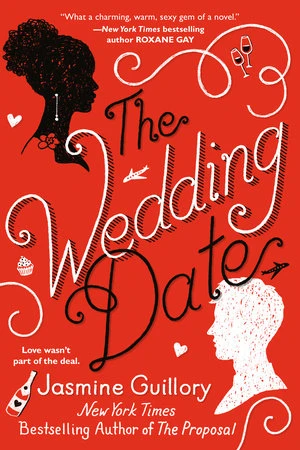
An elevator interruption introduces Alexa and Drew just before he needs a girlfriend for his ex’s wedding festivities. She agrees to the temporary role, but the attraction does not stay within that occasion. Their jobs send them back to different cities, shifting the main question from maintaining a lie to making room for a real connection.
Choose it if you enjoy a brief pretend-date opening followed by the logistics and uncertainty of dating across distance. It is a less exact match for readers who want a long-running public charade with detailed ground rules. The existing assessment balances appreciation of consent and racial awareness with criticism of later doubts and dialogue, so its appeal goes beyond the initial wedding favor.
Before choosing: Brief fake-girlfriend inciting arrangement, not a sustained pretend courtship. The existing review identifies racist comments and insecurity; preserve those specific cautions.
Checked premise and discussion sources
Berkley / Penguin Random House: https://www.penguinrandomhouse.com/books/557171/the-wedding-date-by-jasmine-guillory/; checked 2026-10-10. Exact performed-relationship premise only; edition date not imported.
Kirkus: https://www.kirkusreviews.com/book-reviews/jasmine-guillory/the-wedding-date/; checked 2026-10-03. Positive reading of charm, perspective changes, sexual connection and racial awareness; older edition metadata differs.
Publishers Weekly: https://www.publishersweekly.com/9780399587665; checked 2026-10-03. Finds the opening appealing but later doubts, details and dialogue flatten the courtship.
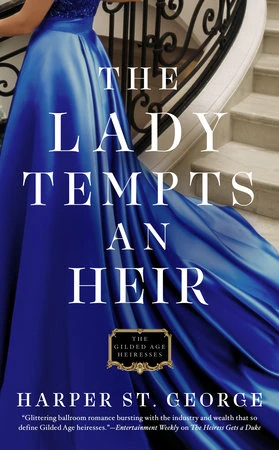
Maxwell Crenshaw faces pressure from his father to secure his future through marriage. Lady Helena March, a widow, wants to keep funding the London Home for Young Women despite the social disapproval surrounding her work. A false engagement offers each a practical defense against people who expect them to follow a different path.
Try it when you want historical social rules and shared practical ambitions to give the performance its purpose. The existing assessment values devotion and support while retaining concerns about a concealed obstacle being stretched out. Readers who want the central secret disclosed promptly should check that reservation rather than assuming an agreed engagement makes every part of the relationship transparent.
Before choosing: Fake engagement between Max and Helena; avoid generic heir-inheritance shorthand. Publishers Weekly questions the prolonged concealed obstacle; no need to reveal the spoiler itself.
Checked premise and discussion sources
Berkley / Penguin Random House: https://www.penguinrandomhouse.com/books/624679/the-lady-tempts-an-heir-by-harper-st-george/; checked 2026-10-10. Exact performed-relationship premise only; edition date not imported.
Publishers Weekly: https://www.publishersweekly.com/978-0-593-19724-0; checked 2026-10-03. Values devotion and aligned ambitions but finds the concealed obstacle prolonged.
Ask what the bargain permits and whether both people can say no. Then check the individual review for trauma, rejection, coercion or family conflict. A playful premise can carry serious material: the review of The Duke and I explains a particularly important consent caveat.
If you want the couple’s earlier bond to drive the story, the friends-to-lovers guide compares trust and familiarity before courtship. If you want a return to an old relationship, the second-chance guide explains that different starting point. Search the reviewed fake-dating catalogue for additional assessed books beyond this selection.
Why pretend to be together?
The contemporary fake-dating collection compares twelve reviewed books through family expectations, professional needs, publicity and inheritance. Every entry explains the agreement and its audience, then connects you to a full assessment with reader-fit notes and reservations. Choose it when the practical reason for performing a relationship matters as much as the attraction.
Two choices to settle before picking a book
Does pretending always mean there is no attraction at the beginning?
No. The public relationship can be false while private attraction already exists. Check what the agreement excludes and what each lead understands, rather than assuming feelings appear only at the end.
How can I tell whether a misunderstanding will frustrate me?
Look at what would make an honest conversation costly. Family, career or practical consequences can sustain secrecy; the review should explain any reservation about repeated avoidance or weak motivation.
Sapphic Fake Dating Romance: Engagements, Paid Roles and Practical Stakes
Compare sapphic fake relationships through an inheritance agreement and a hired fiancée, with two reviewed starters and clear distinctions between performance and marriage.
MM Fake Dating Romance: Wedding Cover Stories and Reputation Repair
Compare MM fake dating through a wedding appearance and a publicity-friendly boyfriend agreement, with two reviewed starters and clearly explained practical stakes.
Sports Fake Dating Romance: Tutoring Deals and an Athlete’s Public Image
Choose small-town fake dating by the audience, the reason for pretending and the friendship underneath, with Lovelight Farms as an existing reviewed starter.
YA Fake Dating: Social Plans and Unexpected Feelings
Choose YA fake-dating romance by the reason for pretending, the intended audience and the emotional cost, with She Drives Me Crazy as an existing reviewed starter.
Fake-Dating Mafia Romance: The Audience, the Bargain and the Exit
Fake-dating mafia romance would place a performed relationship inside a criminal world where appearances can carry serious consequences. The couple might need others to.
Dark Fake-Dating Romance: A Shared Performance or a Dangerous Deception?
Dark fake-dating romance can put a staged relationship under pressure from threat, manipulation or unequal power. The central distinction is who knows the arrangement is.
Fake-Dating Fantasy Romance: A Public Cover Story and a Magical Problem
Compare fake-dating fantasy romance with magical proximity and actual marriage, using a publisher-supported witch-and-demon starter.
Choosing spicy fake dating
Fake-dating attraction may grow through a kiss performed for other people, private negotiation or time spent keeping a story straight. For a spicy reading request, specify whether you want intimacy during the pretence or after an honest decision to be together. Verify the actual level of description; a staged kiss and a sexual relationship are different evidence.
Choose a content description that answers your actual request: on-page detail, frequency and timing are separate questions. This hub does not convert unknown heat into a spicy classification. Its examples remain starting points for the relationship dynamic unless their individual evidence positively supports the intimacy boundary.
Sources and verification limits · checked 9 October 2026
Editorial decision guidance; no new book heat or subscription classifications. KU status remains UNKNOWN without a current edition-specific positive check. Closed-door definition keeps intimacy separate from other content boundaries.
Pretend affection can supply tension without explicit sex. Readers seeking no-spice fake dating should check how the book treats private moments as well as the public performance. Closed-door does not answer whether the scheme involves deception, pressure or an existing partner. Identify why both leads agree and what each expects before choosing the intimacy level.
Sources and verification limits · checked 9 October 2026
Editorial decision guidance; no new book heat or subscription classifications. KU status remains UNKNOWN without a current edition-specific positive check. Closed-door definition keeps intimacy separate from other content boundaries.
After confirming access, identify the reason for the performance and who agrees to it. A pretend relationship is different from a practical marriage or a fake engagement with its own legal stakes.
Search the exact title and author, select the Kindle edition in your own Amazon marketplace, and look for current Kindle Unlimited eligibility before borrowing. Keep a check date and edition identity with any saved availability note. Amazon warns that the catalogue can change. A search result, older list or purchase button alone does not prove current subscription access; unknown access does not mean unavailable.
Sources and verification limits · checked 9 October 2026
Editorial decision guidance; no new book heat or subscription classifications. KU status remains UNKNOWN without a current edition-specific positive check. Closed-door definition keeps intimacy separate from other content boundaries.
The audience for a fake relationship changes what makes the arrangement convincing. A matchmaking sibling can interpret a small gesture as commitment. An investor may be interested in stability rather than affection. A university or hospital adds professional consequences to a story that might look like a private romantic joke. Start by identifying whose judgment the leads want to change, then ask what each person could lose if the performance fails.
That is a different question from whether the relationship begins with desire. One partner can be attracted long before a bargain exists; two friends can already trust each other without agreeing about romance. The fake element concerns what they present to others, not an obligation for every private feeling or physical response to be false. A convincing public kiss may still leave both people uncertain about the conversation they need in private.
Three different versions of the performance
Public audience
What the arrangement changes
Start here
Family and holiday guests
Stops matchmaking or helps the leads face expectations
Those examples are not interchangeable settings for the same story. Regency sham courtship uses different social rules from contemporary dating. Supernatural matehood changes the public status being performed, but an actual fated bond alone does not establish fake dating. The cross-setting guide explains these limits on the individual cards rather than treating a modern label as historical fact.
A performance is not every relationship bargain
Practice dates and private intimacy lessons may create desire without requiring any outside person to believe the leads are a couple. A marriage of convenience can be legally real even when its practical motives are disclosed. Some stories overlap these structures, but evidence for one does not establish all the others. Use the convenience-marriage guide when the legal bargain itself is the appeal.
If you also want sex depicted on the page, use the separate sexual-content gate in the new guide. It preserves specific consent concerns and critical disagreements; no public performance promises no cheating, no breakup or a particular ending. If you want contemporary choices only, the existing four-book contemporary spicy starter remains a narrower route rather than being redirected away.
Choose the public audience, the practical bargain and the content boundaries. Contemporary dating, Regency sham courtship and performed shifter matehood are labelled separately.
Supporting artwork shows fictional adult women, not characters or a scene from the named books.
Choose the audience, the bargain and the private complication
The invented relationship needs someone to believe it, but that audience changes the experience. Compare a family favor, professional cover, paid performance, charity publicity and career-image management. Then consider what each participant hopes to keep outside the arrangement.
Grey and Ethan agree to a career-publicity relationship.
Grief, substance use and media intrusion complicate the performance.
Who needs to believe the performance?
For a contained family audience, compare Yours Truly and Well Matched. Their practical arrangements sit inside different personal situations: correspondence changes one difficult first impression, while an approaching empty nest and possible move shape the other. Neither should be promised as a book where the charade occupies every chapter. The existing reader-fit notes explain how much attention the surrounding relationships and private concerns receive.
The Bodyguard uses the girlfriend story to conceal protection work around Jack’s family. The Dating Playbook uses it to explain contact that could expose a training arrangement. These are useful when you want pretending to solve a specific professional problem. The plan creates a reason to be close; it does not erase employment boundaries, dependence or the external danger named in the full assessments.
A public success can create a private mismatch
In the author’s premise for Take a Hint, Dani Brown, attention to the apparent couple can help Zaf’s charity. Dani’s wish for a casual private connection is a separate aim. The useful tension is therefore not just whether the public believes them, but whether their private expectations can keep pace with the arrangement. A successful publicity strategy would not establish matching emotional needs.
Honestly, I’m Totally Faking It places an assistant’s job alongside an election campaign. How to Fake It in Hollywood places career-image management alongside grief and substance use. Choose between the political-publicity setup and the more difficult celebrity story according to the private material you want to read, preserving the content notes rather than assuming every fake relationship is light comfort.
Payment, inheritance and identity are separate questions
The publisher’s Chef’s Choice description establishes a paid girlfriend performance attached to an inheritance and a culinary task. Luna and Jean-Pierre are trans; their identities are not the invented part of the relationship. Financial pressure, family exclusion and learning to work together give this arrangement its particular stakes. A payment agreement does not by itself settle who feels able to renegotiate it.
The Catch begins with a misunderstanding that becomes an explicit exchange of help, while My Fake Rake uses a performance to attract a different intended partner. The Duke and I offers sham courtship with a serious sexual-assault concern retained in its assessment. These setups should not receive one blanket consent or comfort label. For a legal marriage, follow the marriage-of-convenience guide; pretending to date and actually marrying for practical reasons are distinct arrangements.
Follow the relationship question that matters to you
Researched editorial synthesis using existing assessments, not new firsthand reading. Original scores, coauthors, source dates and qualified boundaries remain intact. Held retailer actions identify unchecked destinations, not unavailable formats. Cover art does not establish stock; feature artwork depicts fictional adults rather than actual book characters.