Paranormal marriage of convenience gives a supernatural couple a practical reason to marry before personal commitment is settled. The wedding may support an alliance, protect an interest or make another goal possible.
Bride is the current reviewed starter. Ali Hazelwood’s official premise explicitly calls the union a marriage of convenience and distinguishes the peacekeeping alliance from Misery’s private reason to agree. This guide follows those competing purposes and the trust that must develop beyond them. The neighboring arranged-marriage guide focuses instead on the outside organization of the match. Neither is a completed paranormal recommendation list.
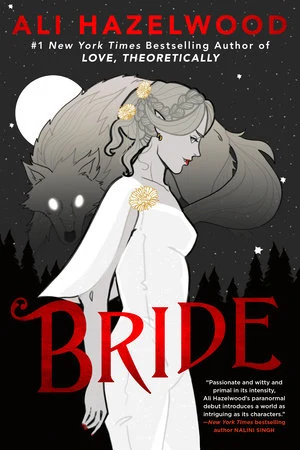
Authentic published cover of one starter selection; not a claim about every book in the guide.
Updated 9 October 2026 · Eikna Editorial Team
Compare the relationship choices
Setup
What drives it
What to check
A public alliance
Marriage serves a wider community.
Whose interests the union is expected to protect.
A private motive
A partner accepts for a separate purpose.
What is disclosed and what remains uncertain.
Growing personal attachment
The practical relationship acquires emotional meaning.
Trust and agency beyond the initial bargain.
Narrow the reading experience
Separate the public reason from the personal one
A wedding can serve a community’s interests while a partner accepts it for a different goal. Knowing both reasons helps explain what the agreement does and where conflict may arise. The starter’s premise directly establishes that distinction without requiring an invented contract clause or a guarantee that both people reveal every motive. Choose whether you enjoy an alliance with concealed priorities or would prefer a more openly negotiated bargain. The practical setup is only the beginning of the emotional reading experience.
Ask what cooperation requires
A useful bargain gives the partners something to do together, but practical dependence is different from emotional security. Consider what information they share, how disagreements are handled and whether either person’s goals are treated as secondary. The existing Bride assessment emphasizes trust and belonging while preserving an agency reservation around protective decision-making. That helps readers distinguish devoted attention from a fully equal agreement. Being married for a reason does not by itself show that every later choice is welcome or that outside pressure has disappeared.
Choose the balance of world and relationship
A supernatural treaty can invite interest in politics, but the book may use those institutions mainly to support the couple. Existing criticism of Bride responds positively to humor while disagreeing about political depth. Decide whether you want that closely focused romance or need a more developed account of faction interests. The setting and wedding purpose do not establish the heat level or closure. Open-door content is reported, while numerical heat and detailed ending payoff remain unresolved in the existing assessment.
Starting points and their evidence
Bride
Ali Hazelwood
Confirmed premise example
Misery enters a peacekeeping marriage with Lowe across opposed supernatural communities. The author premise establishes the alliance and her separate reason to accept it. The existing assessment follows the resulting trust and belonging while preserving reservations about agency and political depth.
Author or publisher premise source · checked 9 October 2026
Yes. Practical purpose and outside organization answer different questions and may coexist. Bride’s premise supports the overlap.
Does a practical wedding establish fated mates?
No. A destined connection needs separate evidence. Marriage purpose and mate recognition are different classifications.
Are there new reviews or guaranteed endings here?
No. The cards link to existing evidence-based assessments. Unknown heat, ending and reread fields stay unresolved, and each collection remains a small starter rather than a completed ranked list.