Morally Grey Sapphic Romance: Attraction, Unequal Power and Accountability
Morally grey sapphic romance asks readers to consider a relationship alongside choices whose motives may be understandable while their consequences remain troubling. Revenge, complicity and unequal power can make attraction ethically difficult. A sapphic pairing does not itself establish moral ambiguity; the characters’ actions and the surrounding conflict must support that reading.
This starter guide uses Crier’s War as an editorial interpretation of a revenge-and-oppression premise. It focuses on what personal affection can and cannot resolve across a political divide. The book is YA fantasy and the first part of a duology, so this route should not be read as a promise of adult dark romance or a completed standalone romantic ending.
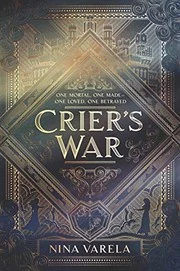
Authentic published cover of one starter selection; not a claim about every book in the guide.
Updated 9 October 2026 · Eikna Editorial Team
Compare attraction, power and responsibility
Setup
What drives it
What to check
Revenge against a powerful family
Personal loss drives an intended harmful act
Whether motive and method are both examined
Attraction across political inequality
Affection develops between differently positioned people
Whether the power gap stays visible
A continuing fantasy relationship
World conflict and romance extend beyond one volume
Audience category and duology reading order
Narrow the reading experience
Separate attraction from political accountability
A relationship can change what one person sees without repairing the system that benefits them. When choosing this kind of story, ask whether the narrative keeps collective harm visible after the leads become interested in each other. Private kindness may matter deeply, but it need not answer questions about authority, responsibility or the people who remain vulnerable outside the couple’s immediate relationship.
Consider revenge from both motive and consequence
A revenge goal can arise from real loss and still involve a disturbing intended action. That tension is a more specific basis for moral ambiguity than describing a character as generally dangerous or alluring. Look for the difference between understanding a motive and endorsing its means. Readers who want uncompromising vengeance may choose differently from readers who want the plan itself challenged by new knowledge.
Ask whose choices are constrained
Unequal power affects what refusal, trust and disclosure can cost. A servant and someone connected to a ruling household do not begin from the same position, even when each has private doubts. The reading choice is whether you want that inequality to remain an active problem. Attraction should not be treated as evidence that both characters suddenly possess equal safety or freedom.
Check how convincingly the relationship changes
Ethical complexity does not guarantee convincing romantic development. A reader may find the political setup compelling while questioning how quickly hostility becomes attraction. Consult the existing review’s disagreements about pacing and emotional groundwork. Keeping those responses visible helps you decide whether you want to follow the conflict, the romance, or both through a continuing fantasy story.
Starting points and their evidence
These are small starter examples, not a completed or ranked recommendation list. Reviewed selections link to existing evidence-based editorial assessments. Other examples are identified as researched premises or pending research leads; they have no new rating or claim of first-hand reading.
Purchases through Amazon, Bookshop.org and Libro.fm links may earn us a commission. As an Amazon Associate, Eikna Romance earns from qualifying purchases, at no extra cost to you.
Crier’s War
Nina Varela
Editorial interpretation
Nina Varela’s premise places Ayla’s plan to kill Crier beside a developing relationship across human–Automae oppression. We interpret that conflict as a useful starting point for discussing revenge, attraction and responsibility. This is an editorial reading of the premise, not an author-confirmed morally grey tag.
Before choosing: Crier’s War is YA fantasy and opens a duology. Do not choose it expecting a completed adult standalone romance. The existing review includes disagreement about how convincingly revenge gives way to attraction; a formal first-volume HEA label is not established here.
Author or publisher premise source · checked 9 October 2026
Edition buttons become available when the specific format and destination are checked. Amazon opens a title-and-author search; choose your edition there.
Questions that change the reading choice
Why use Crier’s War here?
Nina Varela’s premise confirms that Ayla plans to avenge her family by killing Crier, the sovereign’s daughter. Reading that revenge goal alongside attraction and political oppression supports an editorial discussion of moral ambiguity. The author does not need to have assigned the phrase morally grey for the interpretation to be explained honestly.
Is this the same as a YA morally grey guide?
The audience caveat overlaps, but this page asks a different reading question: how personal attraction operates across unequal political power in a sapphic relationship. The YA guide helps readers choose by audience and age-related expectations. Neither route turns the book into an adult dark romance.
Does the first book promise a standalone happy ending?
This guide makes no such promise. The author identifies a duology, and the first volume should be chosen with that continuing structure in mind. Queer protagonists surviving a story or being attracted to each other would not independently establish a completed romantic ending.