Morally grey YA romance follows young characters whose intentions or conduct complicate the developing relationship. The useful question is what they choose when loyalty, revenge and attraction pull in different directions.
Crier’s War by Nina Varela is the current reviewed interpretive example. The author establishes Ayla’s plan to avenge her family by killing Crier, whose position links her to the ruling order. Publishers Weekly confirms a YA audience and sixteen-year-old Ayla. Morally grey is this guide’s interpretation of the revenge dilemma, rather than a publisher-supplied tag. The book opens a duology and does not carry a verified first-volume HEA promise.
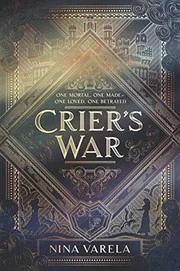
Authentic published cover of one starter selection; not a claim about every book in the guide.
Updated 9 October 2026 · Eikna Editorial Team
Compare the relationship choices
Setup
What drives it
What to check
Revenge intention
Loss motivates a harmful proposed act.
Who is targeted and why.
Changing beliefs
Attachment tests earlier convictions.
Evidence of reconsideration beyond attraction.
YA series opening
Young characters face sustained conflict.
Content intensity and volume-specific closure.
Narrow the reading experience
Distinguish an understandable motive from a justified target
Loss can make revenge emotionally legible while leaving the intended action ethically troubling. That is a useful starting point for this reading preference: sympathy does not require treating every proposed act as justified. The starter places a planned killing beside a developing attachment, giving readers a concrete dilemma to investigate. Consider whether you want the character to rethink responsibility, redirect anger or remain conflicted. A morally grey label should leave those questions open long enough to matter, rather than supplying a reassuring answer before the narrative has earned it.
Look for changing convictions rather than attraction alone
Romantic interest can challenge a character’s expectations, but it does not automatically resolve the social conflict surrounding the couple. Readers may want evidence that changed feelings also alter decisions. Identified critics disagree about the starter’s development: YA on my Mind values its opposing loyalties, while Books for a Delicate Eternity finds the move from revenge to attachment insufficiently developed. That disagreement offers a practical choice. If gradual moral reconsideration is your main interest, investigate the relationship analysis instead of treating an enemies-to-lovers premise as proof that the transition will satisfy you.
Check intensity and closure separately from audience
YA describes the intended readership, not an assurance of gentle themes. Stories for teenagers can include oppression, family deaths and political violence while approaching sexuality differently from adult romance. Check the specific content notes and leave missing heat information unresolved. The existing assessment also distinguishes the opening volume from the full duology: later closure should not be borrowed to promise a contained romantic ending here. Readers wanting one complete relationship arc may prefer another starting point, while those interested in sustained political and emotional uncertainty can investigate the longer reading path.
Starting points and their evidence
Crier’s War
Nina Varela
Editorial interpretation
Ayla’s intention to kill Crier supplies a concrete revenge dilemma. This guide interprets the ethical conflict without treating the YA audience or queer relationship as evidence of moral ambiguity.
Before choosing: Check oppression, family deaths and political violence. Relationship development divides critics; first-volume HEA and sexual explicitness remain unresolved.
Author or publisher premise source · checked 9 October 2026
https://www.ninavarela.com/crierswar
YA and age verification: Publishers Weekly: https://www.publishersweekly.com/9780062823946
Contrasting relationship critique: Books for a Delicate Eternity: https://delicateeternity.com/2019/review-criers-war-by-nina-varela/