One Bed Historical Romance: Privacy, Reputation and Courtship
One bed historical romance places a couple in a shared sleeping space while the surrounding period gives that proximity particular consequences. Attraction may be awkward enough; questions of privacy, reputation and who can leave can make the same encounter feel considerably more exposed.
This guide starts with one reviewed historical example and explains how to choose among quieter intimacy, comic embarrassment and social pressure. A bed-sharing label describes a situation, not the amount of sex in a book. The historical setting also needs its own check: conventions change across periods, communities and the characters’ circumstances.
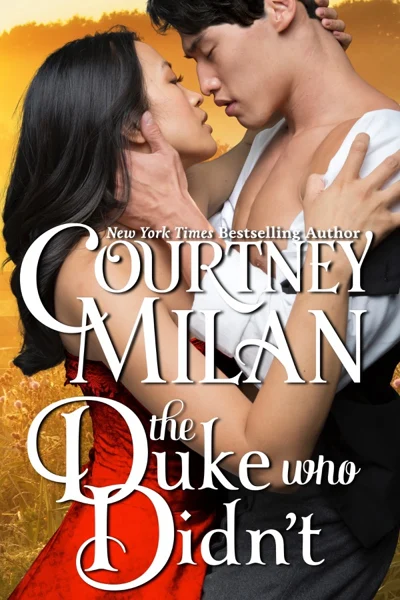
Authentic published cover of one starter selection; not a claim about every book in the guide.
Updated 9 October 2026 · Eikna Editorial Team
Compare what makes the close quarters matter
Setup
What drives it
What to check
Village courtship
Private feelings meet a closely connected community
How much the book explains its local social rules
Travel or disrupted lodging
A practical problem narrows sleeping options
Whether both characters retain meaningful choices
An established acquaintance
Familiarity makes newly intimate proximity conspicuous
Whether romantic expectations are actually shared
Narrow the reading experience
Ask whose reputation is at risk
A threatened reputation is meaningful when the story explains who might discover the couple and what that discovery could cost. An aristocratic household, a village and a journey away from home can produce different pressures. Avoid treating every historical heroine as subject to one identical rule. The useful reading question is whether the social consequences deepen the relationship or merely hurry the plot toward marriage.
Separate familiarity from physical permission
Old friends can know each other’s habits while remaining uncertain about romantic intentions. A sleeping arrangement may expose that uncertainty without resolving it. Look for a courtship in which affection, invitation and hesitation remain understandable. If you want tenderness, the important promise is that the characters can negotiate proximity; childhood familiarity should not make every intimate decision appear already agreed.
Choose the scale of the disruption
Some readers want a single awkward night within a larger village or family story. Others want a journey whose lodging problems repeatedly reshape the couple’s plans. Neither structure guarantees more chemistry. Check whether you prefer a brief turning point or sustained confinement, and whether the book’s humor comes from mutual awareness rather than one character’s discomfort being dismissed.
Starting points and their evidence
These are small starter examples, not a completed or ranked recommendation list. Reviewed selections link to existing evidence-based editorial assessments. Other examples are identified as researched premises or pending research leads; they have no new rating or claim of first-hand reading.
Purchases through Amazon, Bookshop.org and Libro.fm links may earn us a commission. As an Amazon Associate, Eikna Romance earns from qualifying purchases, at no extra cost to you.
The Duke Who Didn't
Courtney Milan
Classification attributed to an identified source
Malin’s Blog of Books identifies The Duke Who Didn’t as a twist on one bed. Courtney Milan’s historical courtship between Chloe Fong and Jeremy offers a quieter starting point than a guide promising danger or scandal in every selection. The existing review gathers differing responses to its humor, relationship and level of conflict.
Before choosing: This is an attributed scene-level classification. Exact scene mechanics, a numerical heat score and a formal ending label are not established here. Use the existing review if you need to weigh the low-conflict approach before choosing.
Identified critical source · checked 9 October 2026
Edition buttons become available when the specific format and destination are checked. Amazon opens a title-and-author search; choose your edition there.
Questions that change the reading choice
Does one bed mean a marriage of convenience?
No. A shared sleeping place and a marriage arrangement are different premises. They can overlap, but a bed-sharing classification does not prove that the couple marries because of it. Read the premise and review separately before choosing a book for a particular marriage setup.
Is every historical one-bed book Regency romance?
No. Historical romance includes different periods and locations. The Duke Who Didn’t is set in 1891 according to Courtney Milan’s excerpt. That date is useful context, and it should not be silently relabeled Regency because the title includes a duke.
How certain is the starter’s trope label?
Malin’s Blog of Books explicitly describes The Duke Who Didn’t as a twist on one bed. We attribute that classification to the critic. The author page supports the historical setting and courtship premise; it does not independently establish the sleeping scene or its exact sequence.