Historical friends-to-lovers romance follows people whose familiarity becomes the basis for courtship. The appeal may be knowing someone’s habits, sharing years of memories or discovering that a trusted companion wants a different future together.
Compare nine direct historical friendship choices and one related hostile-reunion comparison. Childhood friends, adult colleagues and friendship within marriage offer different experiences; prior longing and interrupted courtship are identified. One more direct choice is needed toward ten. These are reader-specific choices, not an exhaustive ranking.
Authentic published cover of one starter selection; not a claim about every book in the guide.
Updated 15 October 2026 · Eikna Editorial Team
Which kind of shared history do you want?
Setup
What drives it
What to check
Childhood friends
Familiarity develops before adult courtship.
How much of the early friendship appears on the page.
Reunited friends
Separation interrupts an existing connection.
Whether old romantic interest makes this a second chance too.
Adult friendship
Shared experience builds trust before romance.
Whether friendship is actually developed rather than asserted.
Friendship within marriage
Companionship grows after a practical wedding.
Marriage of convenience may be the more useful starting guide.
Narrow the reading experience
Choose how much friendship you want to see
Some novels open with years of friendship already behind the characters; others let readers watch companionship develop. Neither structure guarantees greater emotional depth, but they offer different pleasures. If everyday friendship is what draws you to the trope, check whether the assessment describes shared routines and mutual support or mainly relies on an established history. A childhood connection can explain familiarity without supplying many scenes of friendship.
Make room for changed adult lives
Returning to a familiar person can mean discovering how much has changed. A childhood friend may no longer share the same priorities, obligations or understanding of the relationship. For readers choosing a reunion story, the interesting distinction is between enjoying old memories and learning to know each other again. Look for the present-day relationship in the review, especially if you want affection that respects the people they have become.
Separate affection from assumptions
Familiarity can make communication easier, but it can also encourage one person to assume they already understand the other. Consider whether the relationship leaves space for changing wishes and an honest response to romantic interest. Knowing someone for years does not create an entitlement to courtship. Readers who value mutual choice may want an assessment that addresses how each person’s plans matter beyond the attraction between them.
Treat the period as a separate reading choice
Historical friendship romance can take place outside aristocratic drawing rooms and outside the Regency period. Community life, work, family relationships and class can shape how friends encounter each other, but no single book represents those possibilities. Choose the era and setting alongside the emotional setup. Historical classification also does not establish heat, ending type or the absence of difficult content; those require their own evidence.
Reviewed choices and their evidence
How the friendship begins, and what complicates it
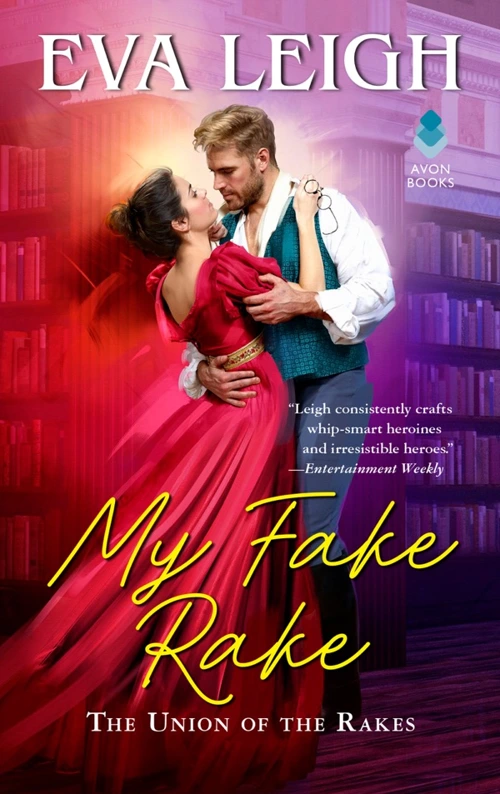
Choose for scholarly friends, a gentle hero and a reversed makeover. Delayed confession and modern-feeling historical conversation are significant qualifications.
Friendship evidence checked 15 October 2026
Grace and Sebastian’s scholarly friendship becomes romantic as they construct a false public courtship.
Specific friendship evidence
Reader fit comes from the existing researched editorial assessment; its score and canonical record are unchanged.
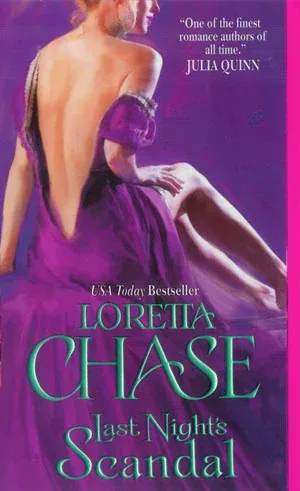
Choose for painful unrequited love and accomplished prose. This is friendship within marriage, with disputed romantic accountability, rather than a mutually platonic beginning.
Friendship evidence checked 15 October 2026
Friendship grows inside Millie and Fitz’s imposed marriage, with shared work and confidences; her love predates his.
Specific friendship evidence
Reader fit comes from the existing researched editorial assessment; its score and canonical record are unchanged.
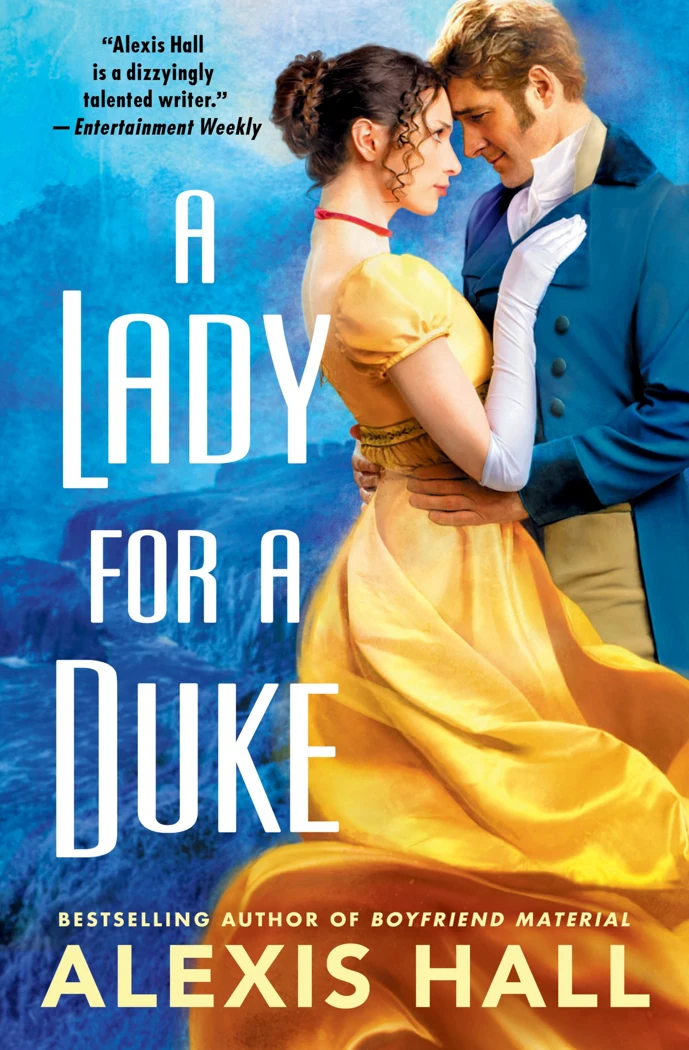
Authentic published cover; artwork does not verify character appearance or a particular scene.
Alexis Hall
A lost friendship returns with room for a different future.
Best for readers seeking a trans heroine, an emotionally generous ensemble and friendship revisited after rupture. Avoid if prolonged uncertainty, grief or contested emotional accountability would outweigh the romance’s tenderness.
Evidence checked 15 October 2026
Childhood best friends reunite after separation and develop a romantic relationship.
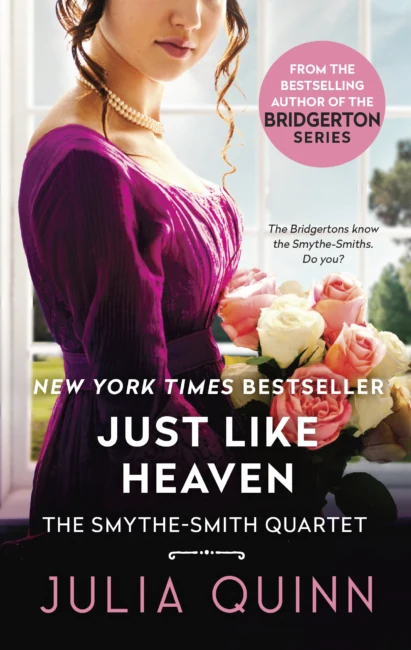
Authentic published cover; artwork does not verify character appearance or a particular scene.
Julia Quinn
Family familiarity becomes personal intimacy through illness and care.
Best for readers who enjoy a shy gentleman, a heroine’s practical care and an affectionate family ensemble. Avoid if repeated cameos, long illness passages or a relatively slight external plot tend to lose your interest.
Evidence checked 15 October 2026
Honoria and Marcus’s own childhood friendship develops into love through renewed proximity and care.
Authentic published cover; artwork does not verify character appearance or a particular scene.
Mia Vincy
A continuing friendship collides with artistic freedom and public duty.
Best for readers seeking established affection, an artist heroine and painful choices about independence. Avoid if a prior kiss, second-chance overlap or sustained miscommunication would undermine the appeal.
Evidence checked 15 October 2026
Shared walks and conversations establish friendship; adult visits continue despite their earlier kiss and missed chances.
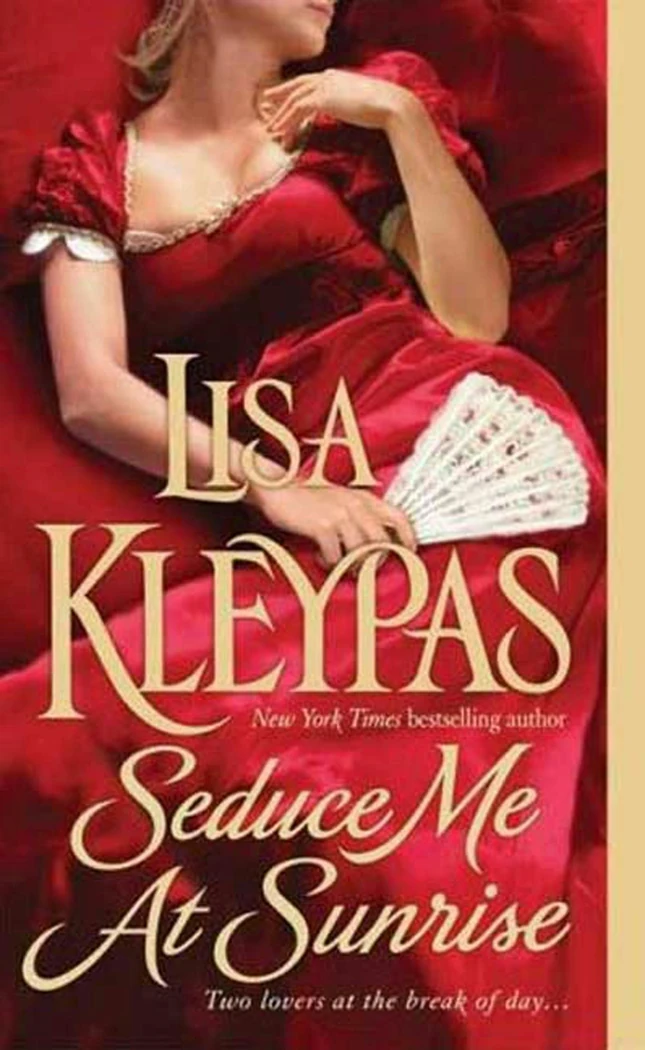
Authentic published cover; artwork does not verify character appearance or a particular scene.
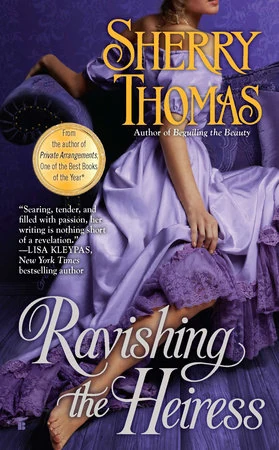
Lisa Kleypas
Childhood closeness becomes adult commitment through a divisive protective dynamic.
Best for readers who seek intense pining, assertive responses to protective restrictions and a family ensemble. Avoid if possessiveness, repeated rejection or racialized historical-romance characterization would make the central relationship unappealing.
Evidence checked 15 October 2026
Win's longtime friend Kev shares childhood closeness and care; mutual yearning predates their treatment-related separation.
This choice has childhood friendship, but present coercion and estrangement distinguish it from sustained friendship becoming courtship.
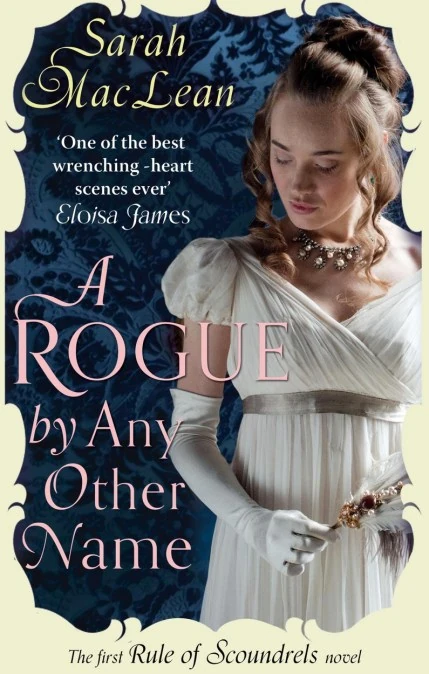
A Rogue by Any Other Name
Related comparison · childhood friendship followed by hostile revenge marriage
Authentic published cover; artwork does not verify character appearance or a particular scene.
Sarah MacLean
Childhood affection returns inside an ethically difficult revenge-marriage story.
Best for readers who welcome difficult redemption and childhood correspondence. Avoid if coercive courtship, prolonged cruelty or a heroine carrying emotional repair would prevent investment.
Evidence checked 15 October 2026
Childhood friends reunite after estrangement; coercive revenge marriage displaces their former friendship.
Yes. Earlier attraction, an interrupted courtship or a past relationship can overlap with established friendship. This guide identifies that overlap rather than treating every reunion as a first discovery of romantic feelings.
Does childhood friendship mean the romance is for young readers?
No. Childhood describes when the connection began, not the age category of the novel or when its adult courtship takes place. Consult the existing assessment and edition information for reader fit; the trope alone does not establish suitability for teenagers.
Does friends to lovers guarantee a gentle or closed-door book?
No. Relationship history does not determine heat or emotional intensity. Choose those separately and retain unknowns where the assessment has not verified them. A friendly foundation is not a content-warning guarantee.
Is this a complete list of historical friendship romances?
No. Nine direct friendship choices and one related comparison provide a focused collection; one more direct choice is still needed toward ten. Five newly researched reviews are counted separately from reused assessments.
Friends to Lovers with Slow-Burn Yearning: compare long-concealed feelings, gradual courtship on page and shared work and trust with a reviewed starter and explicit evidence limits.