One Bed Paranormal Romance: Boundaries, Trust and Otherworldly Proximity
One bed paranormal romance adds a shared sleeping place to a relationship shaped by supernatural differences. The practical closeness can be familiar, while scent, appetite, unusual bodies or community rules make the characters’ interpretations of it less straightforward. Those elements vary by book rather than forming a universal paranormal formula.
This is a small starter guide for readers who want bed-sharing within a larger supernatural relationship. Its reviewed example is Bride, whose one-bed label is attributed to an identified reviewer. The author confirms a Vampyre–Werewolf political marriage; that broader premise should not be confused with proof that every scene follows the same intimacy pattern.
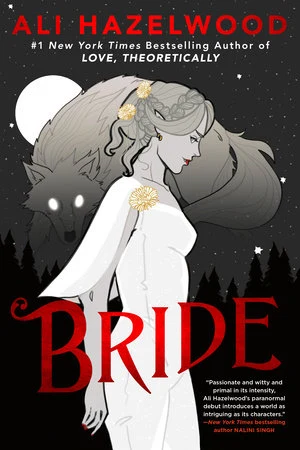
Authentic published cover of one starter selection; not a claim about every book in the guide.
Updated 9 October 2026 · Eikna Editorial Team
Compare what makes the close quarters matter
Setup
What drives it
What to check
Political marriage
A public alliance brings unfamiliar partners together
Whether the review gives the romance or politics more weight
Unfamiliar supernatural customs
Characters read attraction through different expectations
How boundaries and misunderstandings are handled
A brief shared sleeping scene
Physical proximity sharpens an existing relationship
Whether one bed is a moment rather than the central premise
Narrow the reading experience
Keep the microtrope separate from the main plot
A supernatural alliance, an arranged marriage and a shared bed answer different questions. The alliance explains the public stakes, marriage explains the characters’ formal connection, and sleeping proximity may change how they experience each other. Choose according to the part you most want to read. One bed can be a relatively small moment in a novel dominated by politics, family or an investigation.
Check how supernatural instinct meets choice
A story can make scent or instinct emotionally persuasive without making it a substitute for an expressed decision. When choosing a paranormal romance, ask whether the attraction is negotiated, assumed or interpreted through unfamiliar customs. If you enjoy uncertainty about a partner’s motives, that can be part of the appeal; it still helps to distinguish misunderstanding from a clear invitation to intimacy.
Decide how much worldbuilding you want alongside closeness
Some books use supernatural differences mainly for humor and romantic tension. Others devote substantial space to communities, rival groups and the costs of an alliance. A promising bed-sharing label alone cannot tell you the balance. Look at the review’s discussion of pacing and setting, especially if you want a compact romantic focus rather than a politically elaborate story.
Starting points and their evidence
These are small starter examples, not a completed or ranked recommendation list. Reviewed selections link to existing evidence-based editorial assessments. Other examples are identified as researched premises or pending research leads; they have no new rating or claim of first-hand reading.
Purchases through Amazon, Bookshop.org and Libro.fm links may earn us a commission. As an Amazon Associate, Eikna Romance earns from qualifying purchases, at no extra cost to you.
Bride
Ali Hazelwood
Classification attributed to an identified source
Living For Literature reviewer myadventure2017 explicitly includes only one bed among Bride’s tropes. Ali Hazelwood’s primary premise confirms Misery Lark’s marriage to Werewolf leader Lowe Moreland as a political alliance with personal motives on Misery’s side. The sleeping-space label is the reviewer’s classification, while the marriage premise comes from the author.
Before choosing: The existing review discusses open-door intimacy, knotting and differing responses to the political worldbuilding. Consult those notes rather than treating one bed as a heat rating. Exact sleeping-scene mechanics and a formal ending classification are not established by this guide.
Identified critical source · checked 9 October 2026
Edition buttons become available when the specific format and destination are checked. Check the selected format before buying.
Questions that change the reading choice
Are one bed and fated mates interchangeable?
No. One bed describes sleeping proximity. A mate bond describes a supernatural relationship mechanism. Either can appear without the other, and a reader seeking one should not have to infer it from a label for the other. The particular book’s evidence matters more than a broad genre association.
Does bed-sharing establish the heat level?
No. Sharing a bed does not specify what happens there. Bride’s existing review describes open-door intimacy and records content notes, including knotting. Those notes are more useful for choosing this book than inventing a numerical heat score from its one-bed classification.
Is Bride the only book in its world?
The author’s site also lists Mate. Check the relevant volume and couple before assuming a paranormal world consists of a single book. This guide neither promises that every connected volume continues the same relationship nor assigns Bride a formal ending classification.