Academic Rivals Romance: Shared Ambition, Competition and Cooperation
Academic rivals romance puts attraction beside a shared academic goal: top marks, a prize, a university place or recognition for a piece of research. The leads want something that gives them a reason to notice one another’s work, compare their progress and care about who comes first.
Start with the contest, then check the life stage and the relationship between the competitors. Two classmates chasing the same distinction differ from colleagues competing for funding, and both differ from a teacher who can assess the other person. These ten reviewed choices span high school, first-year college, graduate study and professional academic life. Check audience as well as institution: The Rival is YA in college, while the graduate and professional choices are adult romances. Each full review compares criticism and keeps unsupported ages, heat and outcomes open.
Authentic published cover of one starter selection; not a claim about every book in the guide.
Updated 11 October 2026 · Eikna Editorial Team
Choose the kind of competition
Setup
What drives it
What to check
School classmates
Grades, academic recognition or the next educational step
YA audience and the specific contest
University peers
A shared course, placement or academic opportunity
Whether the characters actually compete academically
Research or faculty rivals
Recognition, publication or resources
Employment stakes and who controls decisions
Authority relationship
One person can grade or supervise the other
A separate power dynamic, not an assumption of equal rivalry
Narrow the reading experience
Look for a shared academic goal
A campus, library or laboratory can provide atmosphere without creating academic rivalry. Ask what both leads are trying to win and how one person’s progress affects the other. A competition over marks is different from general dislike between roommates who happen to study. If the source only establishes a university setting, treat that as a setting clue and keep the rivalry classification open until the actual conflict is clear.
Choose the life stage before the mood
High-school ambition can sit beside graduation and the uncertainty of leaving familiar people. University stories may turn toward independence, while professional academics can face employment and reputation stakes. These are useful reading distinctions, not promises about maturity or explicit content. Four choices involve high-school competition. The Rival moves YA ambition to a college newspaper, while You Between the Lines adds a graduate fellowship contest. Love, Theoretically and An Academic Affair concern adult employment; The Make-Up Test and Not in My Book concern graduate peers. Check these distinctions before choosing by campus atmosphere.
Notice what makes cooperation necessary
A shared assignment can move rivals from watching each other’s results to seeing how each person works. That shift may interest readers who want practical collaboration alongside attraction. Ask whether the premise supplies a reason to cooperate and whether the academic goal still matters after the relationship changes. The full assessments explain which collaborations feel persuasive to named critics, and where readers find the developing romance abrupt, prolonged or overshadowed by other concerns.
Keep ability separate from authority
Equal ambition does not guarantee equal power. A person who controls a grade, scholarship decision or job can affect the other person’s future even if both are talented. Readers seeking peer rivalry should check that the competition is between people whose assessments do not depend on one another. Teacher-student attraction deserves its own examination. Here, Love, Theoretically involves a hiring-committee member and an applicant, while An Academic Affair centers two professors competing for scarce work. Both have academic conflict, but their institutional power is different.
Starting points and their evidence
These are 10 reviewed starting choices. Each full assessment compares primary facts with named independent criticism and selected reader responses. Provisional editorial scores cover four supported core dimensions; ending satisfaction and reread remain unscored. The order does not rank quality, and the collection remains a starter selection.
Purchases through Amazon, Bookshop.org and Libro.fm links may earn us a commission. As an Amazon Associate, Eikna Romance earns from qualifying purchases, at no extra cost to you.
Today Tonight Tomorrow
Rachel Lynn Solomon
Today Tonight Tomorrow suits readers who want competitive banter to give way to an unexpectedly personal conversation. Rowan and Neil have spent high school measuring themselves against each other. Their graduation-day contest moves that rivalry out of the classroom and through Seattle, giving them an opportunity to discover what the competition has concealed.
Best for academic competition, changing perceptions and graduation nostalgia. Approach cautiously if you want adult protagonists, a long courtship on the page, or restrained discussion of romance as a genre.
Edition buttons become available when the specific format and destination are checked. Check the selected format before buying.
What's Not to Love
Emily Wibberley and Austin Siegemund-Broka
What's Not to Love makes academic competition the everyday language of its romance. Alison Sanger and Ethan Molloy have spent high school competing for grades, recognition and the next advantage. Organizing a reunion gives these ambitious seniors another shared task, with a Harvard recommendation making cooperation feel like a contest too.
Best for ambitious YA protagonists, combative chemistry and questions about life after graduation. Approach cautiously if you need early kindness, clear apologies or a brisk opening.
Edition buttons become available when the specific format and destination are checked. Check the selected format before buying.
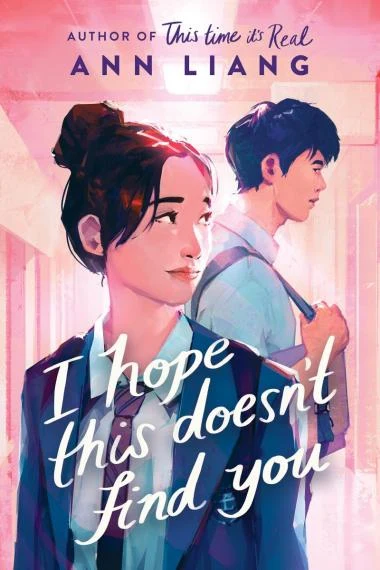
I Hope This Doesn't Find You
Ann Liang
I Hope This Doesn't Find You is a YA academic-rivals romance for readers who enjoy a polished student's private anger breaking through her public image. Sadie Wen competes with Julius Gong at school while trying to keep everybody else happy. When her unsent complaints reach their targets, her rival becomes someone she can no longer avoid.
Best for school competition, reluctant cooperation and perfectionist pressure. Approach cautiously if hostile teasing is uncomfortable, or if you need unusual plotting and strongly developed secondary lives.
Edition buttons become available when the specific format and destination are checked. Check the selected format before buying.
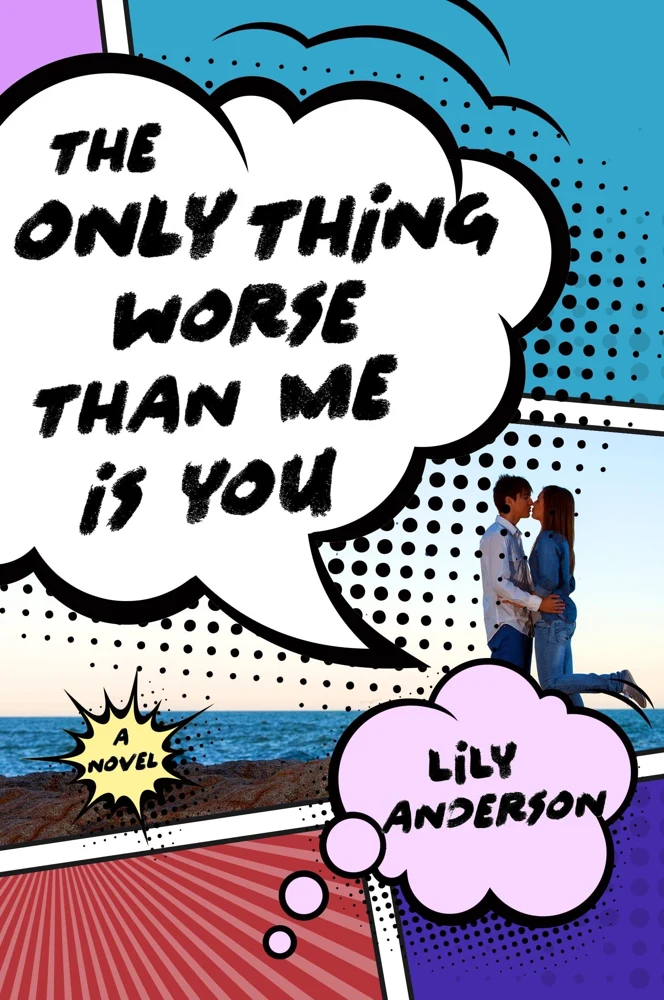
The Only Thing Worse Than Me Is You
Lily Anderson
The Only Thing Worse Than Me Is You makes class ranking personal. Trixie wants to overtake Ben, a rival whose shared interests are easier to turn into ammunition than conversation. Their friends bring them into the same social circle, and a school cheating scandal tests whether a growing connection can survive taking sides.
Best for school competition, nerdy verbal sparring and Much Ado About Nothing adaptations. Approach cautiously if you prefer gentle leads, unobtrusive references or adult romance.
Edition buttons become available when the specific format and destination are checked. Check the selected format before buying.
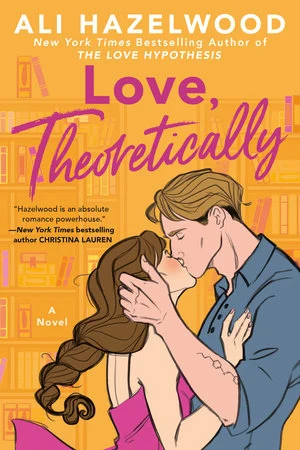
Love, Theoretically
Ali Hazelwood
Love, Theoretically offers adult academic rivalry with consequences beyond an exam result. Elsie Hannaway needs a secure physics job; Jack Smith stands inside the institution deciding whether she gets it. Their intellectual conflict and personal attraction develop within that unequal professional situation, making the book a different choice from school rivals competing for the same prize.
Best for readers drawn to insecure academic careers, mistaken impressions and a heroine struggling to state her needs. Less suitable if you want equal professional footing, mutually sustained hostility or understated comic narration.
Edition buttons become available when the specific format and destination are checked. Check the selected format before buying.
An Academic Affair
Jodi McAlister
An Academic Affair offers adult academic rivalry between peers who both need secure work. Sadie Shaw and Jonah Fisher are literature scholars competing for the same teaching opportunity. A partner-hire provision turns their competition into a legal marriage and gives intellectual sparring a new domestic setting.
Best for adult peer rivals, marriage of convenience, literary references and domestic cooperation. Approach cautiously if prolonged setup, combative dialogue or extensive employment detail tends to stall your interest.
Edition buttons become available when the specific format and destination are checked. Check the selected format before buying.
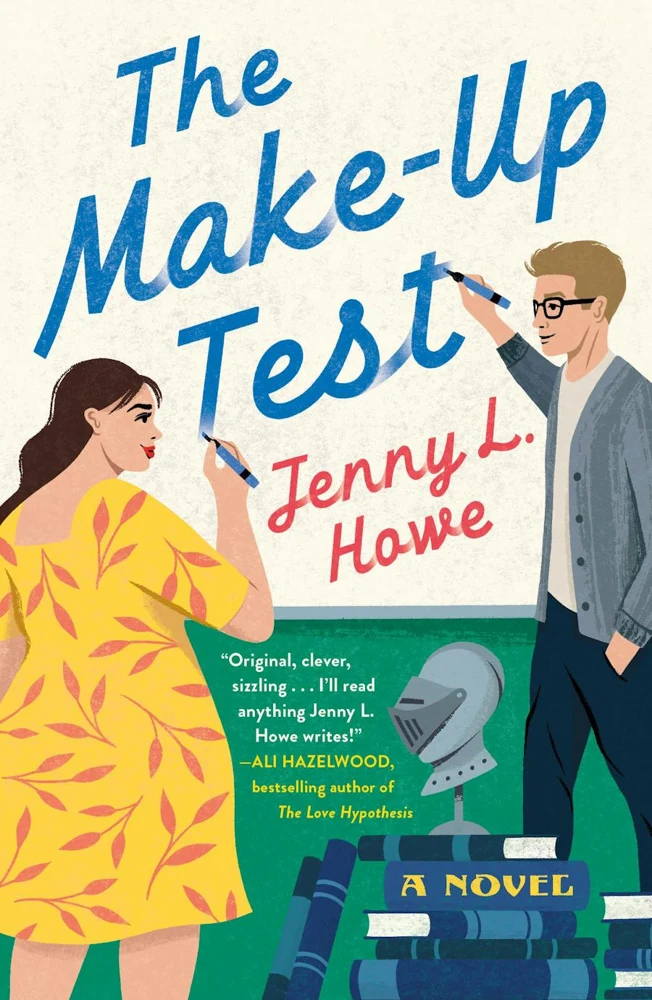
The Make-Up Test
Jenny L. Howe
The Make-Up Test brings academic rivalry into an adult literature PhD program, where two former lovers compete for the same research opportunity. Allison Avery wants a career studying medieval texts; Colin Benjamin brings a painful shared history into her new graduate cohort. Their professional competition supplies a direct academic-rivals fit, with second-chance romance adding a separate question about trust.
Best for literature graduate-school settings, ambitious fat heroines and second chances complicated by professional competition. Approach cautiously if credible accountability is essential, or if academic discussion tends to slow a romance down for you.
Edition buttons become available when the specific format and destination are checked. Check the selected format before buying.
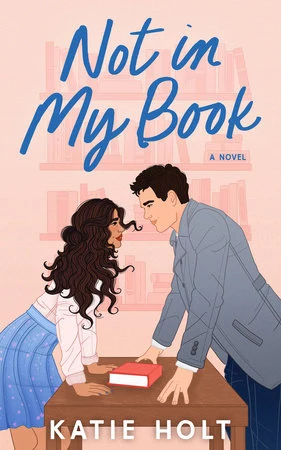
Not in My Book
Katie Holt
Not in My Book places academic rivalry inside a graduate writing workshop. Rosie Maxwell wants to write romance; Aiden Huntington dismisses the happy endings she values. Their arguments endanger their place in class, and a compulsory joint manuscript gives them a new way to communicate. Choose this when the process of writing together is as appealing as the eventual attraction.
Best for writing workshops, reluctant collaboration and a defense of romance as a genre. Approach cautiously if you need emotionally restrained protagonists, believable classroom conduct or a relationship without a third-act breakup.
Edition buttons become available when the specific format and destination are checked. Amazon opens a title-and-author search; choose your edition there.
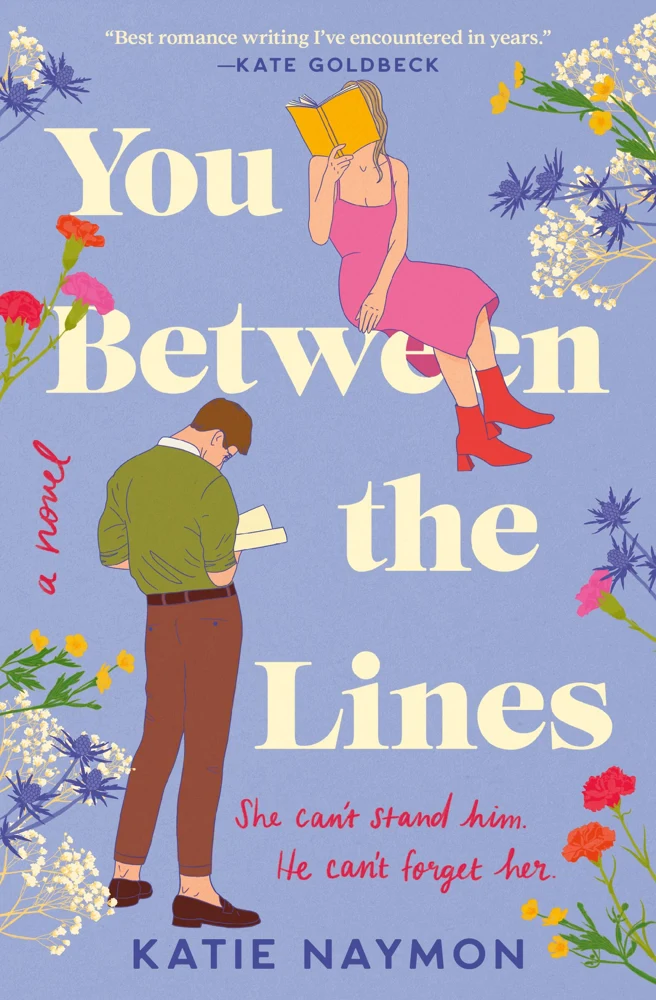
You Between the Lines
Katie Naymon
You Between the Lines gives academic-rivals romance an adult poetry-workshop setting. Leigh Simon leaves advertising for an MFA program in North Carolina, then discovers her old crush Will Langford in the same cohort. Both want a fellowship, and reading one another’s poems brings professional judgment into uncomfortable contact with attraction.
Best for poetry workshops, creative insecurity, pining and adult academic competition. Approach cautiously if lingering resentment or a judgmental heroine makes it hard to invest in a relationship.
Edition buttons become available when the specific format and destination are checked. Check the selected format before buying.
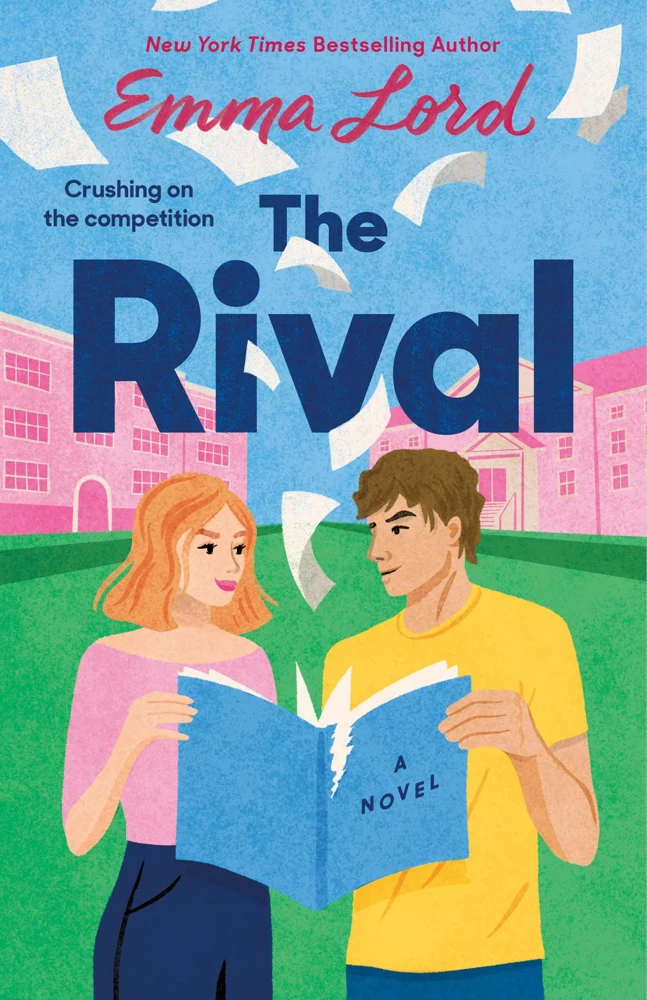
The Rival
Emma Lord
The Rival follows childhood neighbors whose competition survives the move to college. Sadie expects a fresh start at Maple Ride University until Seb arrives from the waitlist and applies for the same coveted zine position. The appeal is a familiar person becoming unexpectedly important while the rest of your life changes.
Best for longstanding familiarity, campus humor and discovering an independent identity. Approach cautiously if a rivals-to-lovers label must mean genuine enmity, or if exaggerated campus organizations and institutional problems would break your immersion.
Edition buttons become available when the specific format and destination are checked. Check the selected format before buying.
Questions that change the reading choice
Is every campus romance an academic rivals story?
No. The academic contest must be part of the relationship premise. Sharing a school establishes a setting; competing for a named academic outcome establishes a more specific reason for rivalry.
Are the starters adult academic romances?
The first four choices are YA high-school stories. The Rival is also marketed as YA, with first-year college leads. Love, Theoretically and An Academic Affair concern adult professionals; The Make-Up Test, Not in My Book and You Between the Lines concern graduate peers. Audience, institutional stage and power are separate checks.
Does YA mean closed-door or low heat?
No such guarantee is made here. Audience classification and sexual content are separate questions. The full reviews provide attributed content evidence; exact heat levels and ending types remain unknown. YA marketing alone does not establish low heat or suitability for an individual reader.
YA academic rivals romance puts two students on competing paths toward a school goal. Their attraction matters because being first, winning recognition or protecting a future has mattered to them already. Look for something they genuinely want, rather than assuming that sharing a classroom makes them rivals.
Adult academic attraction and the intimacy question
Academic rivals may be students competing for recognition or adults competing for jobs, grants and publications. Decide which professional stage you want before looking for spice. A campus setting does not by itself establish an adult audience, and attraction between a supervisor and a student carries a different hierarchy from competition between peers.
For an intimacy preference, check how the specific book describes or depicts sexual content. An adult marketing category, a scientist love interest or intense verbal sparring is not a heat assessment. Readers may want substantial courtship before explicit scenes, while others prefer attraction to become physical early; neither timing follows automatically from academic rivalry.
This guide compares the competition itself and lets readers check intimacy separately. Look for what success costs the leads, whether they can respect each other’s work and how career decisions affect the romance. Those questions provide more useful discovery than assuming every book in an academic setting meets the same spicy reading request.