Sometimes the reassuring part of a romance is a partner who listens. Sometimes it is ordinary life opening up again, or a household making room for someone who has kept moving.
Comfort is personal. We have not reread these books, measured a therapeutic benefit or established that every reader will find them soothing. This researched selection includes different pairings and different amounts of difficult material, including one book with a notably dark opening. Existing Eikna reviews and scores are reused unchanged; the guide offers reasons to try or decline each book, not a guarantee of emotional safety.
AI-generated editorial artwork of fictional adults; not a scene or official jacket from any listed book.
Eikna Editorial Team · Updated 18 October 2026
Researched editorial synthesis, not firsthand reading. Existing Eikna overall scores are reused unchanged. Humor, comfort and lower relationship angst are reader-fit questions, not new quality scores.
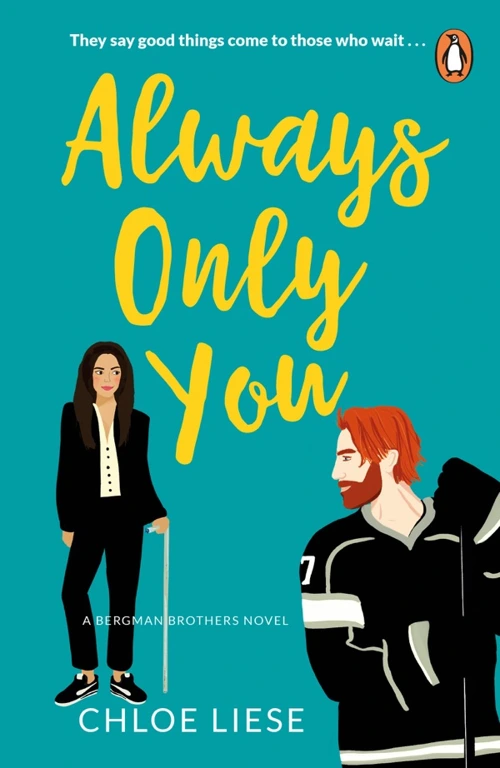
Hockey player Ren and team employee Frankie navigate attraction and professional boundaries.
Workplace restrictions, guarded privacy and chronic pain matter. Autism and arthritis are not themselves romantic conflict, and care does not mean a partner cures disability.
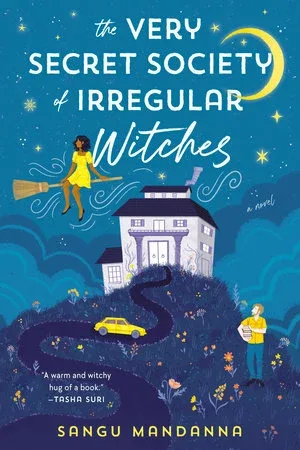
Isolated witch Mika becomes tutor to three young witches at Nowhere House, where librarian Jamie helps guard the household.
Orphanhood, isolation and secrecy accompany the welcoming household. Cozy does not mean no loss, conflict or sexual content; no new heat label is assigned here.
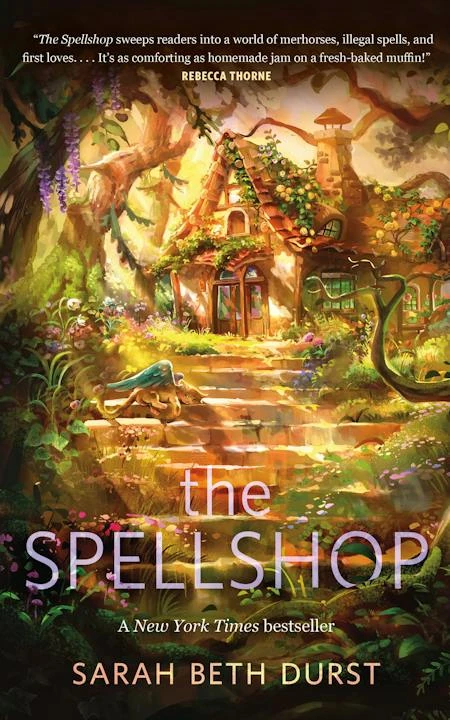
Librarian Kiela escapes a burning library with spellbooks and Caz, a sentient plant, then rebuilds on an island near helpful neighbor Larran.
The opening involves fire and flight, and forbidden magic carries risk. The romance shares space with community fantasy; do not choose solely for a densely developed central courtship.
Single fathers Luke and Landon grow close while volunteering around their sons’ football team.
Erin at The Smut Report identifies past abuse, overdose death and parental neglect, and describes a very dark opening. Gentler couple conflict is not an absence of distress.
5 sourced starting choices
These are limited starter selections, not a comprehensive catalogue or an audience consensus. Purchases through Amazon, Bookshop.org and Libro.fm links may earn us a commission, at no extra cost to you. As an Amazon Associate, Eikna Romance earns from qualifying purchases.
Wrong Number, Right Woman
Jae
A misdirected request for dating advice starts a texting friendship between Denny and Eliza, then a more personal connection.
Choose it for: Try being noticed within ordinary life. The pleasure is not a spectacular change of status but repeated attention between people whose jobs, family responsibilities and insecurities remain recognizable. It may fit when you want companionship to grow through small exchanges. A long texting phase is part of that rhythm, so consider whether slowness will soothe or frustrate you.
Shira Glassman values the gentle connection and ordinary, imperfect adults. Ylva separately labels the work low-angst and a comfort read.
Trade-offs and differing reactions: Gaby calls it low-angst and enjoyable but finds the opening texting phase slow. Quiet progression is a genuine preference, not an automatic craft advantage.
Before choosing: Body-image insecurity, dating vulnerability and questioning sexuality are part of the choice. Denny’s shyness is not evidence of a grumpy disposition.
Ending and series limit: Ylva lists it in Unexpected Love and links shared-world connections. This page does not turn that catalogue placement into a required reading order or full-series closure claim.
See the evidence behind this choice
Named premise and current collection sources checked 18 October 2026. The full review retains its original source dates and separate unknowns. Selected older observations are labelled where retained.
Hockey player Ren and team employee Frankie navigate attraction and professional boundaries.
Choose it for: Try care without the demand to become easier for someone else. Frankie’s privacy and Ren’s patience create a route through acceptance rather than a rescue fantasy. It can fit when romantic steadiness is what you want most. It will not suit everyone: a critic who wanted more friction found the same relationship lacking in chemistry.
Ruby Rae values their mutual care, distinct voices and genuinely funny banter.
Trade-offs and differing reactions: Laurie finds the relationship smooth but misses friction and chemistry. A reassuring dynamic can feel underpowered to a reader seeking more push and pull.
Before choosing: Workplace restrictions, guarded privacy and chronic pain matter. Autism and arthritis are not themselves romantic conflict, and care does not mean a partner cures disability.
Ending and series limit: Bergman Brothers book two; existing edition and ending fields remain unchanged. This collection adds no complete-series or no-breakup certification.
See the evidence behind this choice
Named premise and current collection sources checked 18 October 2026. The full review retains its original source dates and separate unknowns. Selected older observations are labelled where retained.
Isolated witch Mika becomes tutor to three young witches at Nowhere House, where librarian Jamie helps guard the household.
Choose it for: Try the possibility of staying. Mika’s movement toward attachment is shared across the household and the romance. This route fits a reader who finds chosen community as reassuring as couple intimacy. It does not erase the isolation and loss that make the change meaningful, and it may be too broad for someone seeking a tightly focused romance.
Kirkus highlights warmth, found family and the gradual Mika–Jamie connection. The household’s belonging is a substantial part of the appeal.
Trade-offs and differing reactions: Emmalita enjoys the acceptance story but calls it romantic fantasy rather than romance. Romance-first readers should consider how much community story they want alongside the couple.
Before choosing: Orphanhood, isolation and secrecy accompany the welcoming household. Cozy does not mean no loss, conflict or sexual content; no new heat label is assigned here.
Ending and series limit: Existing work, series and ending evidence is preserved. Do not treat a warm mood or a later related title as certification of complete plot closure.
See the evidence behind this choice
Named premise and current collection sources checked 18 October 2026. The full review retains its original source dates and separate unknowns. Selected older observations are labelled where retained.
Librarian Kiela escapes a burning library with spellbooks and Caz, a sentient plant, then rebuilds on an island near helpful neighbor Larran.
Choose it for: Try practical welcome: help with a home, food, work and the gradual discovery that you can contribute. Kiela’s village offers that kind of imagined social generosity. If you want a fantasy respite from relentless competition, the premise may appeal. If easy agreement and rapidly handled difficulties make a story feel weightless, the checked reservations are important.
Maggie Boyd values the welcoming village and balanced romance, while finding the moral picture too simple.
Trade-offs and differing reactions: Kirkus enjoys the gentle cottagecore atmosphere but finds the romance shallow. Becky’s Book Blog separately questions character depth and quickly handled conflict.
Before choosing: The opening involves fire and flight, and forbidden magic carries risk. The romance shares space with community fantasy; do not choose solely for a densely developed central courtship.
Ending and series limit: The publisher markets a standalone romance within a world of associated titles. That is positioning, not this guide’s independent certificate for every plot strand or the whole series.
See the evidence behind this choice
Named premise and current collection sources checked 18 October 2026. The full review retains its original source dates and separate unknowns. Selected older observations are labelled where retained.
Single fathers Luke and Landon grow close while volunteering around their sons’ football team.
Choose it for: Try rebuilding connection after a long period of feeling absent from life. Friendship and adult affection support Luke’s attempt to show up for his son. This is the most emotionally demanding possibility in this starter, not the default gentle pick. Choose it only if family repair is welcome alongside the painful opening and past abuse and death.
Caz Owens describes relatively little relationship angst and open communication, while valuing the father–son repair.
Trade-offs and differing reactions: Marie stopped at 77%, objecting to the treatment of Luke’s deceased wife and some sexual phrasing. This partial-reading response cannot assess the ending.
Before choosing: Erin at The Smut Report identifies past abuse, overdose death and parental neglect, and describes a very dark opening. Gentler couple conflict is not an absence of distress.
Ending and series limit: The existing assessment retains its own ending evidence and unknowns. Neither a low-angst placement nor family repair establishes every plot strand’s closure.
See the evidence behind this choice
Named premise and current collection sources checked 18 October 2026. The full review retains its original source dates and separate unknowns. Selected older observations are labelled where retained.
For ordinary companionship, Wrong Number, Right Woman makes a strong starting question: do you enjoy watching attention accumulate slowly? For acceptance within a partnership, Always Only You asks a different question: is romantic care itself enough of an attraction, even when a reader seeking more friction might be bored?
For a place to belong, Irregular Witches and The Spellshop let romance sit beside a larger social world. The former turns toward a household; the latter toward a village and practical work. You & Me offers family repair rather than a carefree world. Looking at the reason for comfort makes it easier to reject a book that shares the label but not your needs.
A comfort read is not necessarily your highest-rated book
You may return to a familiar voice, a particular kind of courtship or a place you know how to inhabit, even when another novel seems more ambitious. Caroline Russomanno’s All About Romance discussion makes that distinction visible: comfort and critical excellence are related preferences, not interchangeable grades.
We cannot supply your memory of a book or claim a reread we have not done. The overall stars displayed here are the existing evidence-based assessments, not newly calculated comfort scores. A book may be reassuring for a specific reason while retaining a pacing, chemistry or depth reservation. Read that trade-off before choosing solely by a number.
Do not let reassurance hide the hard material
A supportive partner does not make every event gentle. You & Me contains a dark starting mood and difficult family history; its place here is a conditional possibility for readers seeking repair, not a recommendation for someone avoiding those subjects. The Spellshop’s welcoming island follows flight from a burning library. Irregular Witches builds belonging partly against the pain of isolation.
The cards identify selected concerns so you can make a better first decision. They do not certify a complete inventory or promise that no unlisted subject occurs. If your boundary is specific, inspect the full review and author guidance. It is reasonable to choose a familiar book instead of testing a new recommendation on a difficult day.
Comfort, cozy, low-angst and funny are useful separate routes
Use cozy when the atmosphere and community are what you want to inhabit. Use low-angst when the relationship itself should carry less prolonged uncertainty. Use funny when you want a particular comic voice or exchange. None guarantees the other: a joke can be cruel, a warm town can host a frustrating couple, and a supportive partnership can emerge from a painful opening.
These distinctions also keep the recommendations honest. We have not put a care-focused book on a no-cheating list, turned a critic’s comfort into a medical benefit, or transferred a later instalment’s resolution backward. The separate guides let you combine preferences without pretending one keyword proves them all.
Questions before choosing
Are these guaranteed safe or soothing reads?
No. Emotional comfort varies with a reader’s experiences, mood and boundaries. Each choice includes concrete reasons it may not fit.
Why include a book with a dark opening?
You & Me is a conditional repair-focused option, not the gentle default. Readers avoiding its history or starting mood should choose elsewhere.
Have you personally reread these books for comfort?
No. This is disclosed research synthesis using named sources and existing assessments, not simulated firsthand experience.
Do the stars measure comfort?
No. They reproduce existing Eikna overall assessments unchanged. No comfort, heat or reread score is manufactured.
The author or publisher establishes the named premise; independent critics describe their reading and the aspects that affected them. One partial-reading counterexample is identified as such. Comfort, laughter and relative angst are attributed or editorial reader-fit judgments, not population surveys, therapeutic claims or Eikna firsthand experience.
The canonical book records, existing overall stars and retailer evidence remain the authority for those separate fields. We have not inferred a shared heat level, a missing ending, a full warning inventory or current availability. A brief list of considerations does not certify the absence of other material.