An emotional romance can move you through a difficult reunion, a repaired family bond or the relief of being understood. It need not keep the couple miserable to matter.
This is a researched editorial selection using existing Eikna assessments and identified criticism, not a claim of firsthand reading or a ranking of how hard every reader will feel. The starter includes contemporary and historical male–female relationships and one male–male relationship. It is not a comprehensive list, a universal comfort recommendation or a promise that all six share the same heat, ending or series status.
AI-generated editorial artwork of fictional adults; not a scene or official jacket from any listed book.
Eikna Editorial Team · Updated 17 October 2026
Researched editorial synthesis, not firsthand reading. Existing Eikna overall scores are reused unchanged. Tears, heat and emotional intensity are not new quality scores.
Divorced parents Yasmen and Josiah still share a restaurant, children and a powerful attraction.
Stillbirth, bereavement, depression and suicidal thoughts are identified in the checked criticism. Therapy, shared parenting and the family's responses matter; this is not a light reunion chosen only for sexual chemistry.
Writers Eva and Shane reconnect as adults after a brief, intense teenage relationship and years apart.
The checked reviews discuss addiction, self-harm history, chronic migraines and difficult adolescent experiences. The adult reunion is not a current-college romance. Familiarity and desire do not automatically establish present reliability.
Millie's marriage supplies money and Fitz's title supplies status; their friendship grows while he remains attached to another woman.
Expect a youthful arranged marriage, other partners and prolonged unequal attachment. Do not choose it as a no-cheating or uncomplicated devoted-spouse recommendation. The hero's recognition and the heroine's endurance are central reader-fit questions.
Single fathers Luke and Landon become friends while volunteering around their sons' football team, and Luke begins to understand his attraction.
The past includes an abusive marriage, overdose death and emotional neglect. A supportive developing couple does not make those family wounds absent. The teens belong to the parenting plot; the romance is between the adult fathers.
Neighbouring writers January and Gus trade genre challenges while January confronts grief and unsettling family knowledge.
Bereavement and family betrayal belong in the choice. The title and coastal setting are not a low-angst guarantee. This guide does not place it in the sustained high-angst starter merely because grief is present.
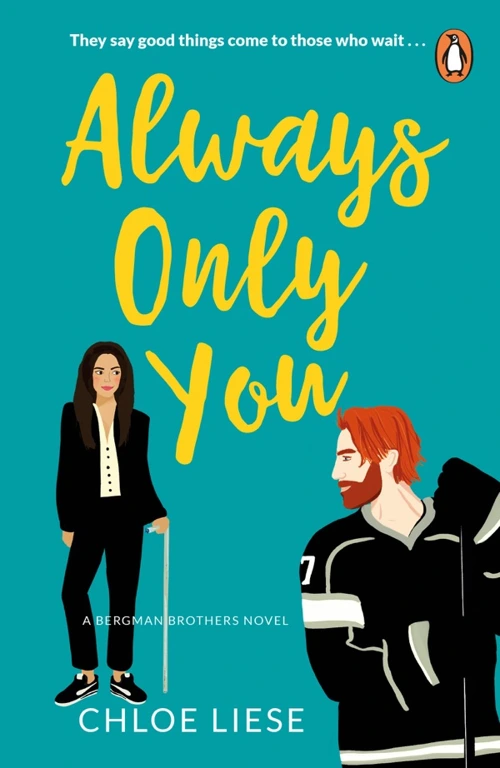
Frankie and hockey player Ren navigate workplace limits and attraction, with acceptance and privacy important to the relationship.
Do not classify autism, chronic pain or guarded privacy as romantic angst on their own. Choose by the treatment of care and professional boundaries. A supportive hero is not a medical cure or a guarantee of universal comfort.
6 sourced starting choices
These are limited starter selections, not a comprehensive catalogue or an audience consensus. Purchases through Amazon, Bookshop.org and Libro.fm links may earn us a commission, at no extra cost to you. As an Amazon Associate, Eikna Romance earns from qualifying purchases.
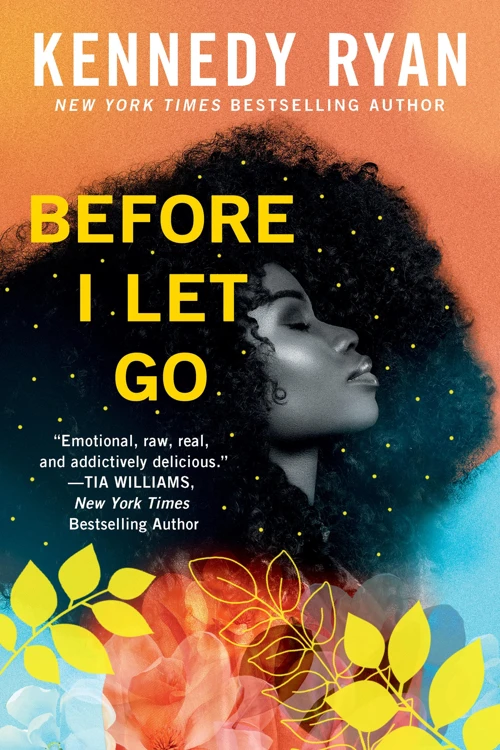
Before I Let Go
Kennedy Ryan
Divorced parents Yasmen and Josiah still share a restaurant, children and a powerful attraction.
Choose it for: Choose the work of becoming partners again after love has already proved insufficient. Co-parenting and a shared restaurant keep Yasmen and Josiah in contact, but attraction cannot do all the repair. This fits a reader interested in how ordinary obligations coexist with grief, rather than a reunion that simply restores a perfect earlier life.
Kirkus explicitly describes sustained angst and a dramatic family journey, while questioning the balance between romance and family saga.
A useful disagreement: Jen Ryland finds the mature leads relatable and the romance workable alongside the difficult family material; Kirkus finds the melodrama dominant. These are different judgments about the same balance.
Before choosing: Stillbirth, bereavement, depression and suicidal thoughts are identified in the checked criticism. Therapy, shared parenting and the family's responses matter; this is not a light reunion chosen only for sexual chemistry.
See the evidence behind this choice
Named premise and current collection sources checked 17 October 2026. The full review retains its original source dates and separate unknowns. Selected older observations are labelled where retained.
Writers Eva and Shane reconnect as adults after a brief, intense teenage relationship and years apart.
Choose it for: Choose the difference between remembering an intense connection and building something sustainable now. Eva and Shane have creative identities and responsibilities outside each other. The appeal is partly whether the person who once understood you can become a reliable presence in the life you actually live.
Kirkus connects the reunion to unresolved trauma and the question of whether the leads can sustain an adult relationship; Publishers Weekly separately values the persistence of past wounds.
A useful disagreement: Trade critics value the layered adult lives. The existing assessment retains a selected StoryGraph reader's reservations about dated references and compressed late movement, checked 7 October; this individual response has not been refreshed here.
Before choosing: The checked reviews discuss addiction, self-harm history, chronic migraines and difficult adolescent experiences. The adult reunion is not a current-college romance. Familiarity and desire do not automatically establish present reliability.
Ending and series limit: No new HEA/HFN, no-breakup or no-cliffhanger classification is assigned. Read the full assessment for its preserved uncertainty and sources.
See the evidence behind this choice
Named premise and current collection sources checked 17 October 2026. The full review retains its original source dates and separate unknowns. Selected older observations are labelled where retained.
Millie's marriage supplies money and Fitz's title supplies status; their friendship grows while he remains attached to another woman.
Choose it for: Choose the ache of being close to someone who has not understood what that closeness means. Friendship, work and familiarity accumulate within Millie's marriage. This is an emotionally uneven attachment, so wanting a satisfying acknowledgment of her years of endurance is a central reading preference.
Jane describes painful flashbacks, concealed love and years of friendship under an arrangement that postpones physical marriage. The pressure is sustained rather than a single late misunderstanding.
A useful disagreement: Lou admires the prose but finds too little present-day romantic development and a rushed payoff. Jane values the friendship while questioning Fitz's lack of awareness. Emotional force is not agreement about whether the relationship earns its resolution.
Before choosing: Expect a youthful arranged marriage, other partners and prolonged unequal attachment. Do not choose it as a no-cheating or uncomplicated devoted-spouse recommendation. The hero's recognition and the heroine's endurance are central reader-fit questions.
See the evidence behind this choice
Named premise and current collection sources checked 17 October 2026. The full review retains its original source dates and separate unknowns. Selected older observations are labelled where retained.
Single fathers Luke and Landon become friends while volunteering around their sons' football team, and Luke begins to understand his attraction.
Choose it for: Choose emotional repair that is not confined to the couple. Luke's wish to reconnect with his son makes showing up at football meaningful before romance is fully recognized. Friendship provides room for change; the fathers' relationship can be tender even while the family history remains painful.
Caz Owens finds the father–son repair and adult friendship deeply affecting while describing the romance itself as relatively free of contrived angst.
A useful disagreement: Marie stopped at 77% and objects to the deceased wife's portrayal and repeated sexual phrasing. Her partial reading can challenge those elements, but cannot independently assess the final resolution.
Before choosing: The past includes an abusive marriage, overdose death and emotional neglect. A supportive developing couple does not make those family wounds absent. The teens belong to the parenting plot; the romance is between the adult fathers.
Ending and series limit: The source reports about late conflict remain attributed; no new canonical ending or reread score is created.
See the evidence behind this choice
Named premise and current collection sources checked 17 October 2026. The full review retains its original source dates and separate unknowns. Selected older observations are labelled where retained.
Neighbouring writers January and Gus trade genre challenges while January confronts grief and unsettling family knowledge.
Choose it for: Choose a story that lets a playful creative bargain sit beside disillusionment. January's uncertainty is about more than whether Gus likes her. If you enjoy a romance that tests inherited ideas about love, the family strand may enrich the challenge; if you want a holiday escape, it may compete with that wish.
Kirkus values the layered combination of romantic and emotional work; the family material complicates a premise that might otherwise sound like a carefree writing challenge.
A useful disagreement: Erin enjoys the writing but objects to January's reactions and inconsistency in the developing relationship. A clever premise and polished prose do not guarantee connection to its narrator.
Before choosing: Bereavement and family betrayal belong in the choice. The title and coastal setting are not a low-angst guarantee. This guide does not place it in the sustained high-angst starter merely because grief is present.
Ending and series limit: Exact ending, scene-frequency and reread-quality judgments are not added here.
See the evidence behind this choice
Named premise and current collection sources checked 17 October 2026. The full review retains its original source dates and separate unknowns. Selected older observations are labelled where retained.
Frankie and hockey player Ren navigate workplace limits and attraction, with acceptance and privacy important to the relationship.
Choose it for: Choose being accepted without having to perform an easier version of yourself. Mutual care and attention make this the supportive relationship route in the starter. It is useful when you want the emotion to come from recognition and trust rather than constant uncertainty over whether the leads will remain together.
Ruby Rae values the mutual care, distinct voices and humour, while wishing for a little more development before the romance accelerates.
A useful disagreement: Laurie values Frankie's characterization and integrated disability experience but wants more romantic push and pull. Smoothness can be a strength for one preference and a limitation for another.
Before choosing: Do not classify autism, chronic pain or guarded privacy as romantic angst on their own. Choose by the treatment of care and professional boundaries. A supportive hero is not a medical cure or a guarantee of universal comfort.
Ending and series limit: Existing series and ending fields remain unchanged. This is not a new no-third-act-breakup certification.
See the evidence behind this choice
Named premise and current collection sources checked 17 October 2026. The full review retains its original source dates and separate unknowns. Selected older observations are labelled where retained.
Emotional, angsty and tearjerking answer different questions
Emotional describes the importance or force of a feeling. High angst is more specific: the relationship remains under pressure, whether through unequal attachment, distrust or difficulty making a shared future. A book can have a painful family history and still let its central couple communicate with comparative steadiness.
Tearjerker is another kind of description. It records a reader's response, which can come from relief, recognition, reunion or sorrow. Tears do not establish a tragic ending, and a happy romantic outcome does not erase the distress of getting there. Use the linked high-angst and attributed-tears starters when those are the particular questions you want answered.
Start with the source of emotion
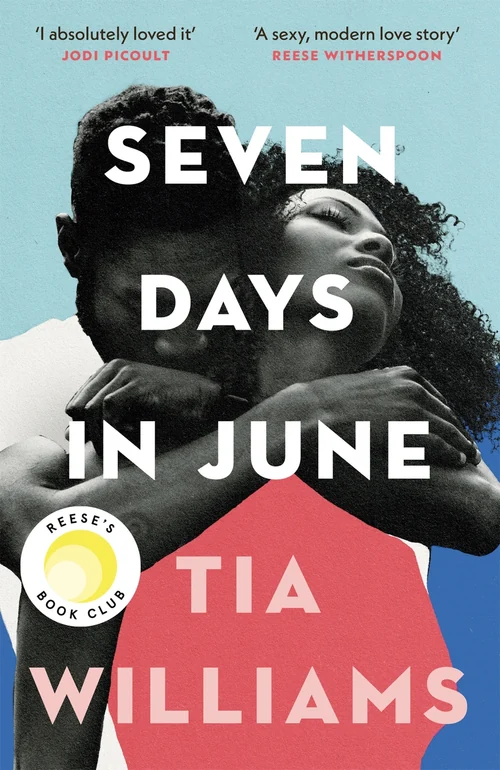
For a reunion after loss, ask what changed in the people as well as the circumstances. Before I Let Go places daily family and business obligations beside the wish to reconnect. Seven Days in June asks what old recognition can offer adults with lives and responsibilities that did not exist during their first connection. The shared second-chance label does not make those emotional problems identical.
For an unequal attachment, the question may be how much endurance you want to witness before acknowledgment arrives. Ravishing the Heiress is the sharpest example here. For the warmth of acceptance, Always Only You offers a different route. One preference is not more serious than the other; the distinction helps you avoid choosing only by a dramatic blurb.
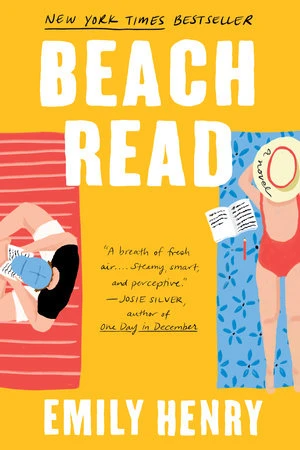
You & Me makes parental repair a substantial emotional thread, while Beach Read links romantic hope to a changed understanding of family. Neither strand should be reduced to an obstacle placed on the road to a kiss. If the wider family story interests you, look for it in the source notes; if you want a narrower couple focus, the same material may be a reason to choose elsewhere.
Check your boundaries alongside the mood
A request for emotional depth does not give a recommendation permission to hide stillbirth, addiction, self-harm, abuse or bereavement. The considerations on each card identify selected material, not an exhaustive inventory. Open the full review and any author guidance before choosing around a specific boundary.
Heat is also independent. An emotionally intense book may depict sex, while an explicit scene can be gentle or painful in its surrounding context. This guide carries forward existing retailer and assessment information without creating a shared numerical heat score. Missing ending or reread evidence remains missing rather than becoming a reassuring claim.
Questions before choosing
Does emotional romance always mean high angst?
No. You & Me and Always Only You illustrate emotional investment through family repair or mutual care. The high-angst starter focuses more narrowly on prolonged pressure around the relationship.
Are these all guaranteed to make me cry?
No. Emotional response varies. The separate tearjerker starter names critics who explicitly report tears and keeps their reactions separate from our reading experience.
Do difficult subjects mean a book is dark romance?
No. Grief, illness, trauma history and disability do not alone establish a dark relationship dynamic. Each classification needs its own evidence.
Are all six endings verified here?
No. This page qualifies emotional reader fit, not exact HEA/HFN, full plot closure or series completion. The existing reviews retain their ending limits.
The author or publisher establishes the named premise; independent critics describe their completed reading and the aspects that affected them. One partial-reading counterexample is identified as such. A report of tears is attributed, not a population survey, a guarantee or Eikna reading experience.
The canonical book records, existing overall stars and retailer evidence remain the authority for those separate fields. We have not inferred a shared heat level, a missing ending, a full warning inventory or current availability. A brief list of considerations does not certify the absence of other material.