Funny Romance Books: 4 Picks for Different Kinds of Humor
If you want funny romance books, try Book Lovers for sharp publishing-world banter, Boyfriend Material for awkward self-deprecating British comedy, Act Your Age, Eve Brown for contrasting personalities at a B&B, or Always Only You for deadpan warmth in a hockey setting.
These four researched starting choices compare comic styles, not a ranked list of the funniest books. Humor can coexist with grief, family strain or professional tension. Choose the tone that suits you; for less emotional conflict, follow the separate low-angst guide.
AI-generated editorial artwork of fictional adults; not a scene or official jacket from any listed book.
Eikna Editorial Team · Updated 18 October 2026
Researched editorial synthesis, not firsthand reading. Existing Eikna overall scores are reused unchanged. Humor, comfort and lower relationship angst are reader-fit questions, not new quality scores.
Hockey player Ren and team employee Frankie navigate attraction and professional boundaries.
Workplace restrictions, guarded privacy and chronic pain matter. Autism and arthritis are not themselves romantic conflict, and care does not mean a partner cures disability.
4 sourced starting choices
These are limited starter selections, not a comprehensive catalogue or an audience consensus. Purchases through Amazon, Bookshop.org and Libro.fm links may earn us a commission, at no extra cost to you. As an Amazon Associate, Eikna Romance earns from qualifying purchases.
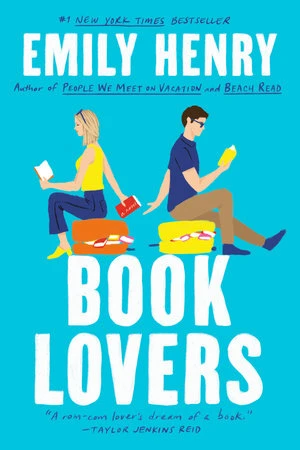
Book Lovers
Comic style: Sharp dialogue and publishing-world banter
Emily Henry
Literary agent Nora visits a small town with her sister and keeps encountering editor Charlie, a fellow publishing professional.
Choose it for: Try banter as recognition between two people who understand each other’s professional language. Nora and Charlie’s exchanges are useful when you want attraction to involve being met at your own level rather than being corrected into a different personality. The sister and family strands still take space; good dialogue alone may not provide the romantic buildup you want.
Kirkus praises the comic dialogue, and even the more critical Book Place response singles out the banter as a strength. Agreement on that element does not establish agreement on the romance.
Trade-offs and differing reactions: The Book Place also likes the banter but finds insufficient romantic buildup and dramatic development. Funny exchanges need not make the whole plot satisfying.
Before choosing: Family obligations and grief coexist with the jokes. A small-town visit is not an automatic cozy or low-angst classification.
Ending and series limit: Existing publication, edition and ending records are unchanged. We are selecting comic style, not certifying a shared ending or heat level.
See the evidence behind this choice
Named premise and current collection sources checked 18 October 2026. The full review retains its original source dates and separate unknowns. Selected older observations are labelled where retained.
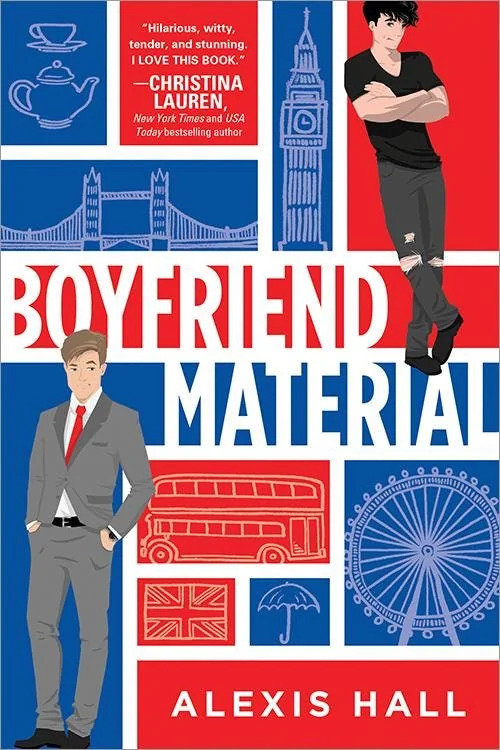
Comic style: Awkward situations and self-deprecating narration
Alexis Hall
Publicly scrutinized fundraiser Luc and barrister Oliver agree to a presentable fake relationship that grows harder to dismiss as performance.
Choose it for: Try a self-deprecating narrator whose public performance is part of the problem. Luc and Oliver’s arrangement creates social comedy, while their different habits expose what each hopes to hide. It fits a reader happy to stay with a flawed voice. If self-sabotage and shame feel exhausting rather than funny, a rom-com label will not remove that friction.
Publishers Weekly specifically praises wit and a comic romantic gesture. Sourcebooks identifies Luc’s self-deprecating narrative voice; neither observation means every joke will fit every reader.
Trade-offs and differing reactions: The Smut Report discusses Luc’s destructive mistakes rather than treating him as a frictionless comic hero. A reader’s tolerance for his behavior is an important part of the fit.
Before choosing: Public shame, troubled parental relationships and self-doubt remain central. Self-deprecating humor can be enjoyable without feeling emotionally easy.
Ending and series limit: Sourcebooks describes a complete story while listing London Calling book one. That does not certify later instalments, every narrative thread or a shared series endpoint.
See the evidence behind this choice
Named premise and current collection sources checked 18 October 2026. The full review retains its original source dates and separate unknowns. Selected older observations are labelled where retained.
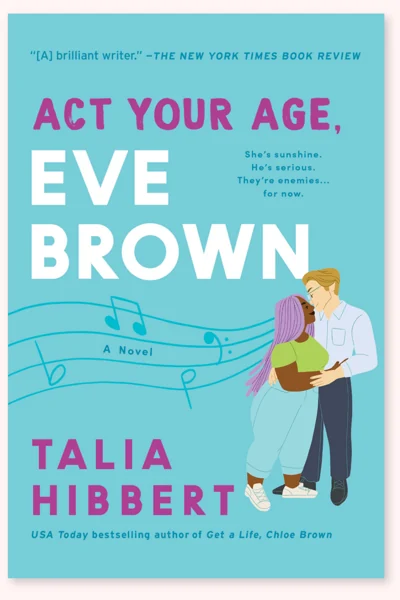
Comic style: Clashing personalities and workplace comedy
Talia Hibbert
Eve’s search for work collides with exacting B&B owner Jacob; after an accident injures him, she helps at the business.
Choose it for: Try practical incompatibility turned into comic proximity. Eve and Jacob have a business to operate, different expectations and an accident’s consequences to manage. The appeal lies in how their responses clash and then change. If Eve’s handling of responsibility prevents you from rooting for her, the jokes may not compensate; checked critics split sharply on that point.
Kirkus praises comic dialogue, while Publishers Weekly retains praise for wry humor despite its reservations about Eve and the plot. The source disagreement helps isolate humor from overall approval.
Trade-offs and differing reactions: Publishers Weekly praises the wry humor but finds Eve’s responsibility arc and the romance underdeveloped. Susana Loves Books likewise disputes the chemistry and speed of intimacy.
Before choosing: Injury, family pressure and boundary concerns belong beside the comedy. Neither autism nor a character’s distress is being recommended as the joke.
Ending and series limit: Third Brown Sisters novel; the existing record retains its edition-length conflict and ending fields. No new series-completion claim follows from this placement.
See the evidence behind this choice
Named premise and current collection sources checked 18 October 2026. The full review retains its original source dates and separate unknowns. Selected older observations are labelled where retained.
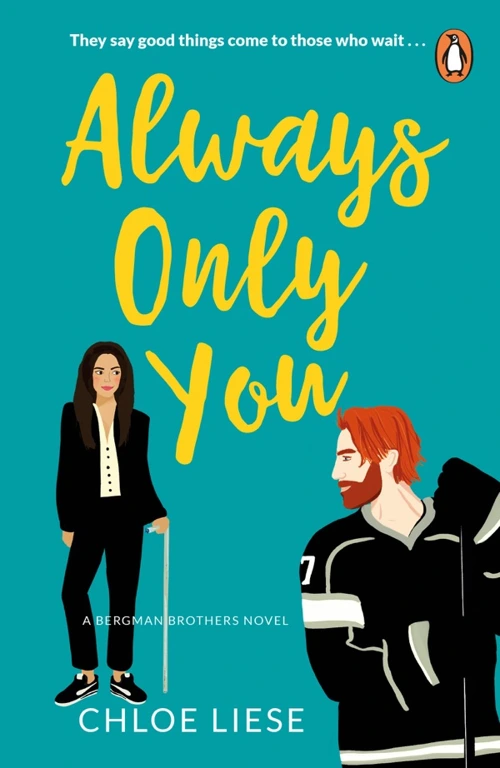
Comic style: Deadpan narration and affectionate warmth
Chloe Liese
Hockey player Ren and team employee Frankie navigate attraction and professional boundaries.
Choose it for: Try deadpan and warmth within a care-focused relationship. The attraction is less a contest to deliver the sharpest insult than an enjoyment of the leads’ different voices. This may fit when you want humor that accompanies tenderness. The same smoother dynamic disappointed a critic who needed stronger romantic friction, so it is not the most combative banter option.
Ruby Rae explicitly reports laughing at the banter and values the distinct narrative voices. Laurie’s contrary chemistry response keeps that report from becoming a universal promise.
Trade-offs and differing reactions: Laurie finds the relationship smooth but misses friction and chemistry. A reassuring dynamic can feel underpowered to a reader seeking more push and pull.
Before choosing: Workplace restrictions, guarded privacy and chronic pain matter. Autism and arthritis are not themselves romantic conflict, and care does not mean a partner cures disability.
Ending and series limit: Bergman Brothers book two; existing edition and ending fields remain unchanged. This collection adds no complete-series or no-breakup certification.
See the evidence behind this choice
Named premise and current collection sources checked 18 October 2026. The full review retains its original source dates and separate unknowns. Selected older observations are labelled where retained.
Dialogue-led humor depends on enjoying how the leads meet each other in conversation. Book Lovers is the clearest starting point here. Voice-led humor asks you to spend time inside the narrator’s way of seeing, including habits you may not admire; Boyfriend Material makes that question especially useful. Situational comedy adds a task, workplace or social arrangement that keeps incompatible preferences in contact.
Act Your Age, Eve Brown offers a B&B and sharply different working styles. Always Only You gives deadpan speech and a warmer counterpart room to coexist. None is selected because a character’s disability or distress should be funny. The relevant evidence concerns dialogue, perspective and circumstances, not treating an identity as a comic device.
A laugh can work when the romance does not
This is why contrary criticism matters. The Book Place praises the banter in Book Lovers while wanting more romantic buildup. Publishers Weekly finds wry humor in Eve Brown while questioning responsibility and relationship development. Those responses tell you more than a list that treats funny as a certificate of successful chemistry.
Ask what you need besides humor. If you want a considerate, smoother partnership, Always Only You may be a better route than a story built around self-sabotage. If you enjoy a flawed narrator working through shame, Boyfriend Material may offer the more interesting voice. The unchanged Eikna stars reflect wider evidence, not just this page’s comic gate.
Comedy does not erase emotional stakes
Family obligations and grief accompany Book Lovers. Luc’s public image and parental difficulties remain active in Boyfriend Material. Eve’s accident and the question of taking responsibility are not decorative details. Frankie’s boundaries and professional situation matter in Always Only You. The same context that gives a joke meaning may also make a book less comfortable on a particular day.
For that reason, this page does not double as a low-angst, cozy, no-cheating or closed-door list. If one of those is your deciding requirement, follow the appropriate guide and inspect the individual evidence. No shared heat or exact ending has been inferred from the rom-com label.
Choose your tolerance for embarrassment and abrasive behavior
Some readers enjoy the gap between a character’s self-image and what a scene reveals. Others find the same gap intensely uncomfortable. A recommendation can describe the mechanism but cannot settle the reaction for you. Notice whether you usually enjoy self-deprecation, barbed conversation or mistakes that persist before the character changes.
If you mainly want affectionate amusement, begin with the care-focused option and read its reservation about insufficient tension. If sharper friction is part of your enjoyment, compare the other three. Our four starters are examples of different comic approaches, not a claim that one kind of humor is more sophisticated or universally effective.
Questions before choosing
Are these ranked from funniest to least funny?
No. They are grouped starting choices with named evidence and reader-fit distinctions. No laughter score or representative audience survey was created.
Does funny mean low-angst?
No. Public shame, grief, family pressure and romantic insecurity can coexist with wit. Use the separate low-angst guide for its narrower relationship test.
Why show a critic who disliked part of the book?
A critic may enjoy the humor but dislike pacing, chemistry or character behavior. That distinction helps readers choose more accurately.
How does this differ from the romantic-comedy hub?
The hub introduces the subgenre and its discovery paths. This shortlist compares specific comic mechanisms and reactions across four already assessed books.
The author or publisher establishes the named premise; independent critics describe their reading and the aspects that affected them. One partial-reading counterexample is identified as such. Comfort, laughter and relative angst are attributed or editorial reader-fit judgments, not population surveys, therapeutic claims or Eikna firsthand experience.
The canonical book records, existing overall stars and retailer evidence remain the authority for those separate fields. We have not inferred a shared heat level, a missing ending, a full warning inventory or current availability. A brief list of considerations does not certify the absence of other material.