For Indigenous sapphic reading, start with the form you want: Carole laFavor’s Renee LaRoche mysteries for an investigator and her relationships, Beth Brant’s A Generous Spirit for collected writing, or Ma-Nee Chacaby’s A Two-Spirit Journey for memoir. This six-book starter guide also includes literary fiction and poetry.
The selection focuses on North American writing. It separates character representation from author identity, preserves editors and collaborators, and names a nation or community only within the evidence’s scope. Two-Spirit is not a generic replacement for lesbian, bisexual, nonbinary or Indigenous LGBTQ+. The notes explain whether inclusion comes through a fictional character, a writer’s public identification or a documented lived experience.
AI-generated editorial artwork of fictional adults; not a book scene or proof of a character’s identity.
Eikna Editorial Team · Updated 17 October 2026
Researched editorial synthesis, not a claim of firsthand reading. Character representation is sourced separately from author identity. Existing Eikna scores appear only where a full assessment is already available.
Compare six starting choices
This is a focused starter selection, not a complete survey or a best-to-worst ranking. Two titles follow the same investigator; six works do not mean six unrelated perspectives. The collection and poetry routes are labeled separately from character-centered novels and memoir.
A life-writing route into Indigenous lesbian experience, with the collaboration made visible.
Books to consider
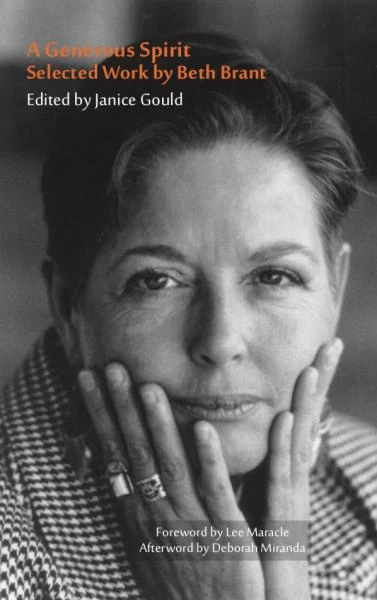
A Generous Spirit
Beth Brant · edited by Janice Gould
2019 collection · Selected stories, essays and other writing
This collection brings fiction, essays and other creative work back into circulation. Its value here is the chance to encounter Brant’s writing across forms rather than reduce her to a sentence in a diversity list. Read it for a Native lesbian perspective on survival, relation and belonging, with the understanding that it is a selected collection, not a romance novel.
Whose representation: The writing of Mohawk lesbian author Beth Brant; author/lived-experience route.
Choose it for: Indigenous lesbian writing beyond commercial fiction.
Before choosing: Grief, suffering and survival across varied pieces; Deborah Locke’s reading specifically discusses child removal and an AIDS-related story. This is selected writing, not a single courtship.
Premise and representation sources · checked 17 October 2026
These sources support the premise and named representation above; reading fit is Eikna’s editorial judgment. Content notes are selective, not a complete warning inventory.
Inanna A Generous Spirit — Book verification
Sinister Wisdom: A Generous Spirit — Co-publisher: work, contributor roles and Beth Brant context
Deborah Locke in The Circle: A Generous Spirit — Independent reading assessment and selected story/content context
Search links do not verify a product or stock. Checked destinations retain their original check date; confirm the format and current availability with the retailer. Unverified product buttons are held.
We may earn a commission from these links. As an Amazon Associate, Eikna Romance earns from qualifying purchases.
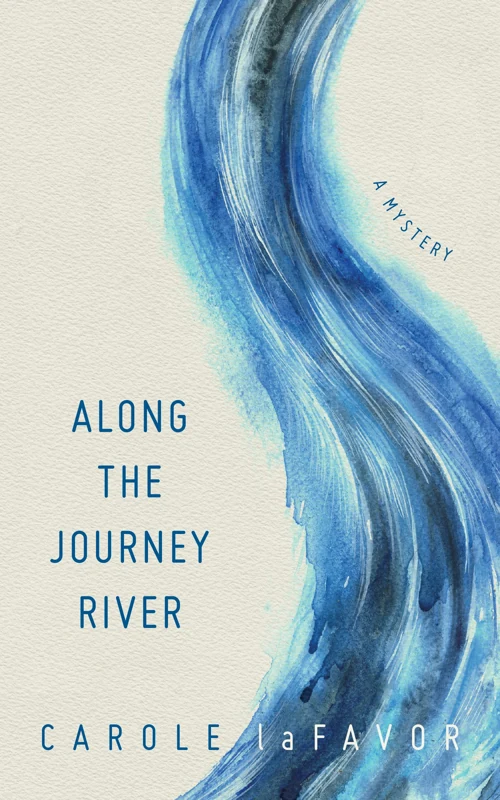
Stolen ceremonial objects and a murder bring Renee into an investigation shaped by obligations to family and community. Her new relationship with visiting professor Samantha Salisbury creates another set of demands on her time and understanding. Choose it for a recurring investigator whose intimate life matters alongside the case, without assuming a romance-first structure.
Whose representation: Renee LaRoche is described in published scholarship as an Anishinaabe lesbian protagonist. The publisher describes author Carole laFavor as Two-Spirit Ojibwa; these are separate claims.
Choose it for: An Indigenous lesbian lead in crime fiction.
Before choosing: Theft, racism and danger; the 2017 edition is a reissue, not a newly written novel.
Premise and representation sources · checked 17 October 2026
These sources support the premise and named representation above; reading fit is Eikna’s editorial judgment. Content notes are selective, not a complete warning inventory.
Minnesota Along the Journey River — Book verification
Lisa Tatonetti: Detecting Two-Spirit erotics — Published scholarly abstract identifies Renee as Anishinaabe lesbian; full article unavailable
Search links do not verify a product or stock. Checked destinations retain their original check date; confirm the format and current availability with the retailer. Unverified product buttons are held.
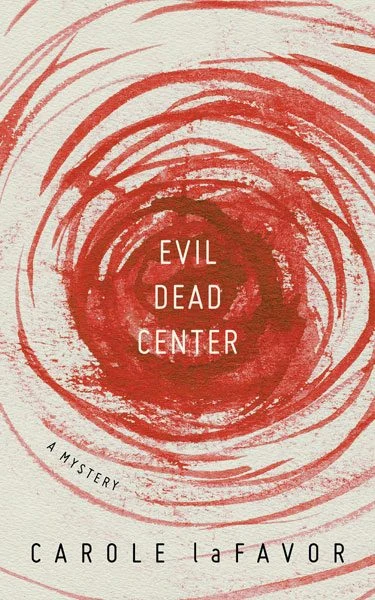
Renee questions a death ruled suicide, then encounters abuse in the foster-care system. The investigation draws personal history and institutional harm together. Read this after the earlier Renee novel if you want to follow a recurring protagonist; the darker subject matter makes it a different choice from an escapist detective puzzle.
Whose representation: The same Anishinaabe lesbian investigator Renee LaRoche returns. This is a separate case, not a second unrelated perspective.
Choose it for: A continuing Indigenous lesbian detective series.
Before choosing: Child abuse, death, suicide-related material and foster-care trauma; not a comfort recommendation.
Premise and representation sources · checked 17 October 2026
These sources support the premise and named representation above; reading fit is Eikna’s editorial judgment. Content notes are selective, not a complete warning inventory.
Minnesota Evil Dead Center — Book verification
Lisa Tatonetti: Detecting Two-Spirit erotics — Published scholarly abstract identifies Renee as Anishinaabe lesbian; full article unavailable
Search links do not verify a product or stock. Checked destinations retain their original check date; confirm the format and current availability with the retailer. Unverified product buttons are held.
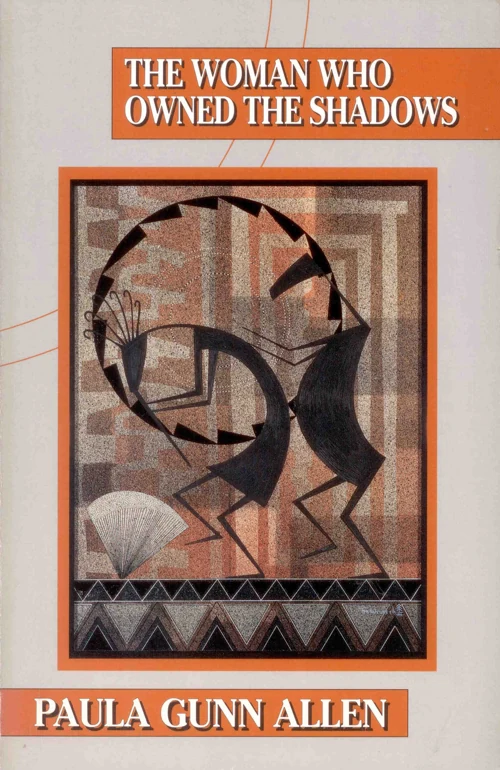
Ephanie leaves an emotional crisis in New Mexico for a difficult process of remembering and rebuilding in San Francisco. Its structure draws connections among identity, story and women’s relationships. Choose it for a demanding literary exploration of the self; it should not be packaged as an easy romance simply because it belongs in lesbian literary history.
Whose representation: Ephanie’s Native self-understanding and connections with women, read within queer Indigenous literary scholarship. No specific character nation or modern identity label is inferred from the author’s background.
Choose it for: An older literary work about Native womanhood and lesbian identity.
Before choosing: Mental distress, racism and abuse-related material; original and reissue dates differ.
Premise and representation sources · checked 17 October 2026
These sources support the premise and named representation above; reading fit is Eikna’s editorial judgment. Content notes are selective, not a complete warning inventory.
Aunt Lute The Woman Who Owned the Shadows — Book verification
Annette Van Dyke: The Woman Who Owned the Shadows — 1985 scholarly review abstract; author/character context, full PDF inaccessible
Marianne Kongerslev: She Bloomed in the Dark — 2022 scholarly abstract: literary form and queer interpretation; full PDF not retrieved
Search links do not verify a product or stock. Checked destinations retain their original check date; confirm the format and current availability with the retailer. Unverified product buttons are held.
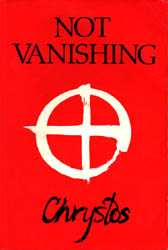
Poetry gives this guide a form that cannot be assessed through romantic plot or ending tags. Chrystos writes about Native rights, feminism and social injustice, and belongs in a reading route that makes room for political and personal writing. Choose a collection when you want the concentration of poetry rather than a sequence of novel-length plots.
Whose representation: Chrystos identifies with Menominee ancestry in the Audre Lorde Project’s author profile, which also describes lesbian identity. This is an author/literary route, not a fictional couple.
Choose it for: Indigenous queer literary history and poetry.
Before choosing: Political anger and violence-related subjects; the collection also contains erotic poetry, so poetry does not mean no sexual content. The small cover image comes from a firsthand reviewer’s archive; its exact edition is unconfirmed.
Premise and representation sources · checked 17 October 2026
These sources support the premise and named representation above; reading fit is Eikna’s editorial judgment. Content notes are selective, not a complete warning inventory.
The Audre Lorde Project: Chrystos — Author profile, credited to University of Minnesota; self-identification and literary context
Black Coffee Poet interview with Chrystos — Author testimony about the collection and its publication; 2010 context
Jorge Antonio Vallejos: Not Vanishing — Independent reading assessment; poetry and political address
Search links do not verify a product or stock. Checked destinations retain their original check date; confirm the format and current availability with the retailer. Unverified product buttons are held.
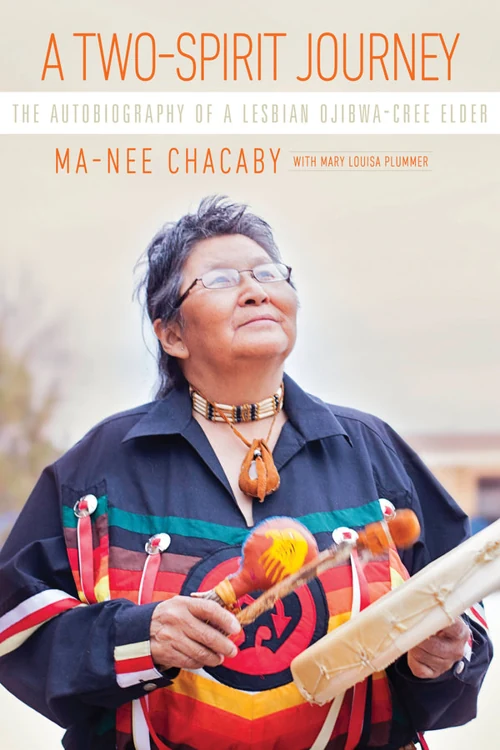
Ma-Nee Chacaby recounts a life shaped by family, violence, sobriety, disability and community work. Relationships with women form part of that lived history rather than a fictional romance plot. Choose it for an extended first-person account, created with Mary Louisa Plummer, that gives activism and everyday care room alongside love.
Whose representation: The publisher identifies Chacaby as a Two-Spirit Ojibwa-Cree Elder and lesbian. Mary Louisa Plummer retains the publisher’s With credit.
Choose it for: A life-writing route into Indigenous lesbian experience, with the collaboration made visible.
Before choosing: Physical and sexual violence, abuse in childhood and marriage, alcohol dependence, racism and homophobia. Hope and resilience do not make the account light reading.
Premise and representation sources · checked 17 October 2026
These sources support the premise and named representation above; reading fit is Eikna’s editorial judgment. Content notes are selective, not a complete warning inventory.
University of Manitoba Press: A Two-Spirit Journey — Publisher: memoir identity, credits and selective content considerations
Danika Ellis: A Two-Spirit Journey — Independent reading assessment: interview-based style and content cautions
Search links do not verify a product or stock. Checked destinations retain their original check date; confirm the format and current availability with the retailer. Unverified product buttons are held.
A detective’s relationships are part of the case’s world
Along the Journey River introduces pressure from the investigation and Renee’s new connection with Samantha. Evil Dead Center turns toward a disputed death and foster-care abuse. Those descriptions support two different reading choices within one recurring protagonist’s world. They do not establish that the second book is a lighter follow-up or that either supplies a genre-romance ending. Begin with the earlier case if following Renee over time is your priority; that is a reading suggestion, not a claim that the books cannot be read separately.
Collected writing offers more than one kind of intimacy
A Generous Spirit brings Brant’s stories and essays together. The co-publisher names Janice Gould as editor, Lee Maracle as foreword contributor and Deborah Miranda as afterword contributor. That framing is part of the edition’s value. It also matters when choosing: an author’s lesbian identity does not mean every piece follows a lesbian couple, and a collection’s varied relationships cannot be reduced to one pairing or ending tag.
Poetry can be political and erotic
The Audre Lorde Project’s profile discusses Chrystos’s political address alongside love-and-lust poems, including examples from Not Vanishing. That is a reason to make room for the collection here, rather than treat poetry as a consolation category for readers seeking novels. It is also a reason not to label it automatically low-spice. A novel’s scene-frequency scale would not explain what this collection does.
Memoir makes a different promise
A Two-Spirit Journey asks you to follow a life across family responsibilities, recovery, relationships and community work. The publisher identifies Ma-Nee Chacaby as a Two-Spirit Ojibwa-Cree Elder, and credits Mary Louisa Plummer with the collaboration. Retaining that credit does not diminish Chacaby’s account; it lets readers understand the making and form of the book. Do not treat a memoir’s later relationship as proof of a fictional romance ending.
Specific identities, not a universal role
The Indian Health Service terminology resource distinguishes Two-Spirit from simply combining Indigenous identity with being gay. We use the term where a named source supports it, including the publisher biographies for laFavor and Chacaby. We do not extend it automatically to every writer, character or romantic partner in this guide.
Ojibwa and Anishinaabe are retained in their source contexts rather than silently turned into a claim about a particular tribal citizenship. Brant’s co-publisher describes her as Bay of Quinte Mohawk from Tyendinaga; the Audre Lorde Project profile describes Chrystos’s identification with Menominee ancestry. Neither an umbrella reading label nor a generated picture verifies enrollment, citizenship or community recognition.
The guide’s present geographic scope also has limits. These books cannot stand in for Māori, Aboriginal Australian, Torres Strait Islander or every other Indigenous literary tradition. That gap is a reason for careful future research, not evidence that such writing is absent.
What selected readings help you notice
Deborah Locke’s assessment in The Circle values Brant’s vivid characters and compassionate storytelling, while discussing grief and child removal in particular stories. Those observations support a collection with emotional range, not a blanket comfort recommendation.
Danika Ellis’s memoir assessment finds the life story engaging but initially struggles with its matter-of-fact, interview-based tone. Ellis also urges readers to check the violence-related content. A book can be important and compelling while its style or intensity is a poor match for a particular reader.
Jorge Antonio Vallejos’s reading of Not Vanishing describes its influence on his own development as a poet. That personal response is useful context for the collection’s force, not a representative survey of readers. For The Woman Who Owned the Shadows, Marianne Kongerslev’s scholarly abstract emphasizes fragmentation and resistance to a conventional success narrative. That helps explain why a straightforward courtship template would misdescribe the novel; this guide does not claim to have accessed the full article.
How to choose from this list
Choose mystery or literary exploration
The Renee novels offer an investigator to follow across cases. The Woman Who Owned the Shadows asks for a different kind of engagement with memory, identity and structure. A Generous Spirit and Not Vanishing make room for essays and poetry. A reading guide should explain these differences instead of treating every form as a substitute for romance.
Use reissues and borrowing routes carefully
Older books can have original publication and reissue dates, different introductions and uneven availability. Match the edition when buying or requesting a library copy. Lack of an affiliate listing is not a reason to remove a significant work from a reading guide.
Notice what this selection cannot claim
Two entries follow one recurring detective, so six books do not mean six unrelated perspectives. The list does not establish that there are few Indigenous sapphic romances; it reflects what was verified for this edition. Expansion should add specific new evidence rather than generic queer Indigenous books with no sapphic connection.
Frequently asked questions
Are all Two-Spirit books sapphic?
No. Two-Spirit and sapphic are not interchangeable. A broader Indigenous queer anthology or bibliography can be a useful adjacent resource without making every included story sapphic.
Does this page list Indigenous romance novels?
This launch selection focuses on mysteries, literary fiction, poetry and collected writing. It does not promise romance-first stories or happily-ever-after endings.
Why include poetry and collected work?
They offer forms of Indigenous lesbian writing that a novel-only list would miss. The guide clearly identifies whether representation is through fictional characters or the author’s writing and lived experience.
Can I use an author’s nation to label a character?
Not automatically. Record the character’s background separately. Use documented affiliations without inferring citizenship, enrollment or community recognition beyond the source.
These are reading choices, not a universal best-to-worst ranking. Recommendations combine inspected source information with original reader-fit analysis. Selected content considerations are not exhaustive; an omitted warning, age, ending or heat detail remains unknown. Artwork is editorial; the book jackets are authentic published covers, and a displayed jacket may differ from the edition a retailer offers.