For Muslim sapphic books, start with the reading experience you want: Hani and Ishu’s Guide to Fake Dating for a YA courtship, Roses, in the Mouth of a Lion for a literary coming-of-age story, or Hijab Butch Blues for queer Muslim memoir. This six-book starter guide compares those routes without treating every queer relationship as a genre-romance promise.
Faith, family and attraction matter differently in each work. Hani is Muslim; Ishu is an atheist from a Hindu family. Razia’s Queens neighborhood is a particular Pakistani-American community, while Sahar and Nasrin’s story is set in Iran. Nationality, ethnicity, religious practice and author identity are separate questions; the notes below explain what the sources actually establish.
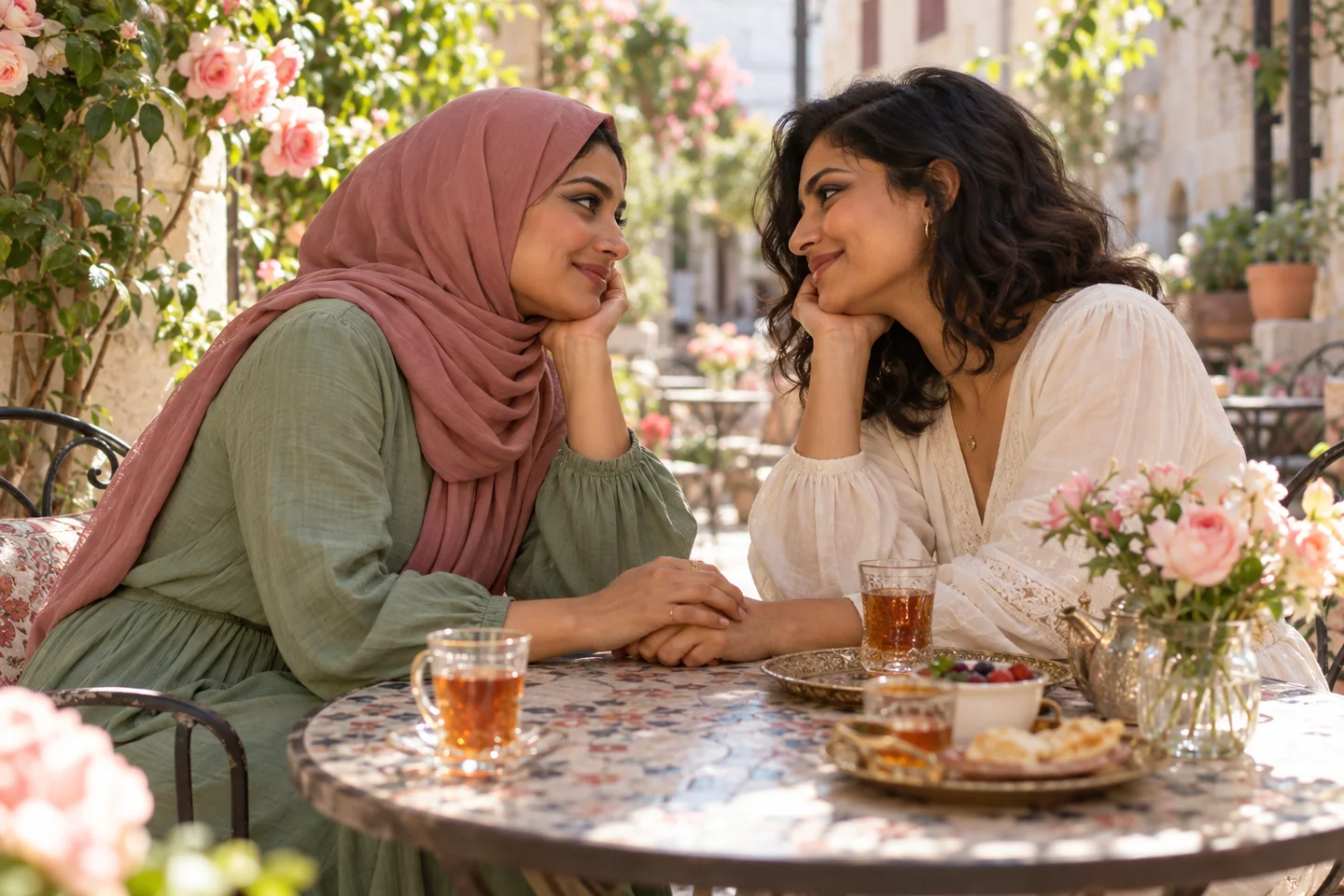
AI-generated editorial artwork of fictional adults; not a book scene or proof of a character’s identity.
Eikna Editorial Team · Updated 17 October 2026
Researched editorial synthesis, not a claim of firsthand reading. Character representation is sourced separately from author identity. Existing Eikna scores appear only where a full assessment is already available.
Compare six starting choices
This is a focused starter selection, not a complete survey or a best-to-worst ranking. The first two entries foreground teen courtship; the other novels ask you to invest in wider coming-of-age struggles. The memoir is a separate nonfiction route.
A queer Muslim memoir connecting spiritual interpretation and daily life.
Books to consider
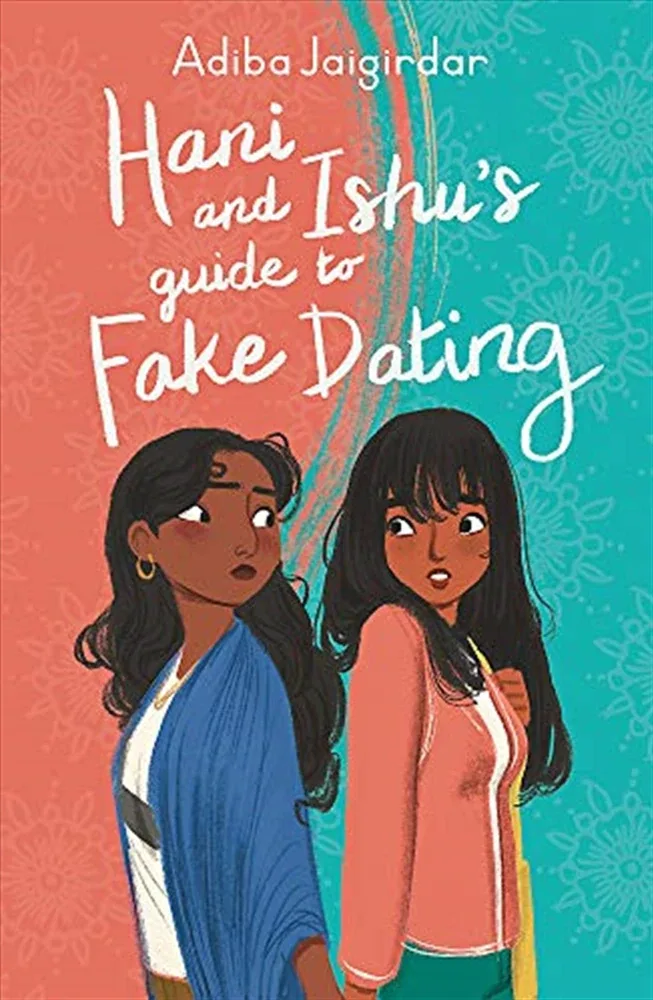
Hani and Ishu’s Guide to Fake Dating
Adiba Jaigirdar
2021 · YA contemporary romance
Hani invents a girlfriend after her friends dismiss her bisexuality; academically ambitious Ishu agrees to the arrangement for reasons of her own. Their bargain makes a familiar fake-dating setup serve a specific question about who gets believed. The girls’ different relationships with faith matter alongside their attraction.
Whose representation: Hani is bisexual, Bangladeshi Irish and Muslim; Ishu is Indian Irish and an atheist from a Hindu family.
Choose it for: Fake dating with explicit bisexual representation and two distinct Bengali experiences.
Before choosing: Biphobia, racism, Islamophobia and friendship conflict. This is not a story about two Muslim girls.
Premise and representation sources · checked 17 October 2026
These sources support the premise and named representation above; reading fit is Eikna’s editorial judgment. Content notes are selective, not a complete warning inventory.
Hachette Hani and Ishu — Book verification
Kirkus Hani and Ishu — Book verification
Search links do not verify a product or stock. Checked destinations retain their original check date; confirm the format and current availability with the retailer. Unverified product buttons are held.
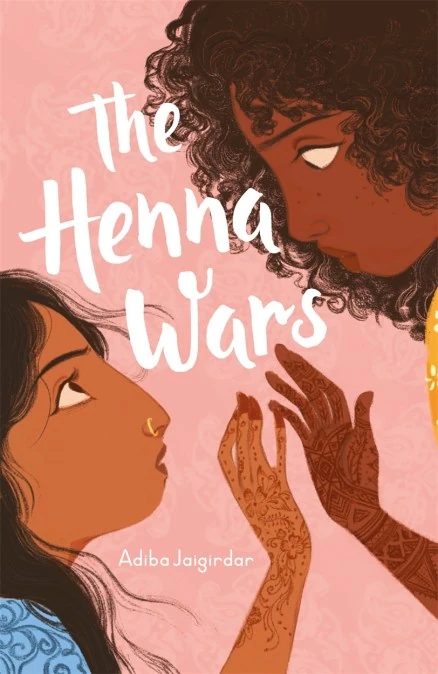
A school business competition turns Nishat’s crush into a rivalry when both girls work with henna. Cultural appropriation is part of the conflict rather than decorative background. Read it for a teen love story that also asks what happens when something personally meaningful becomes another person’s marketable idea.
Whose representation: Bangladeshi Irish Muslim lesbian Nishat and Brazilian Irish Flávia.
Choose it for: Muslim lesbian YA and a romance with a specific cultural dispute.
Before choosing: Homophobia, racism, outing-related concerns and cultural appropriation; do not generalize one family to all Muslims.
Premise and representation sources · checked 17 October 2026
These sources support the premise and named representation above; reading fit is Eikna’s editorial judgment. Content notes are selective, not a complete warning inventory.
Hachette The Henna Wars — Book verification
Kirkus author interview on The Henna Wars — Author interview
Search links do not verify a product or stock. Checked destinations retain their original check date; confirm the format and current availability with the retailer. Unverified product buttons are held.
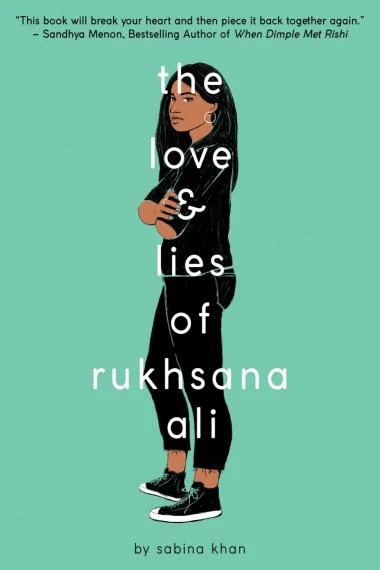
Rukhsana’s family discovers her relationship with Ariana, changing the terms of a future she thought she could plan. The story becomes a high-stakes struggle around family control and autonomy. Choose it for serious coming-of-age fiction; it is an especially poor fit for a reader who wants family conflict kept off the page.
Whose representation: Bengali American queer Muslim teen and a female partner.
Choose it for: A queer Bengali American teen story with substantial family stakes.
Before choosing: Homophobia, coercion and forced-marriage-related material; not a light rom-com.
Premise and representation sources · checked 17 October 2026
These sources support the premise and named representation above; reading fit is Eikna’s editorial judgment. Content notes are selective, not a complete warning inventory.
Scholastic Canada: Rukhsana Ali — Publisher: premise, family and girlfriend
ALA The Love and Lies of Rukhsana Ali — Book verification
LGBTQ Reads queer Muslim YA — Representation discovery
Search links do not verify a product or stock. Checked destinations retain their original check date; confirm the format and current availability with the retailer. Unverified product buttons are held.
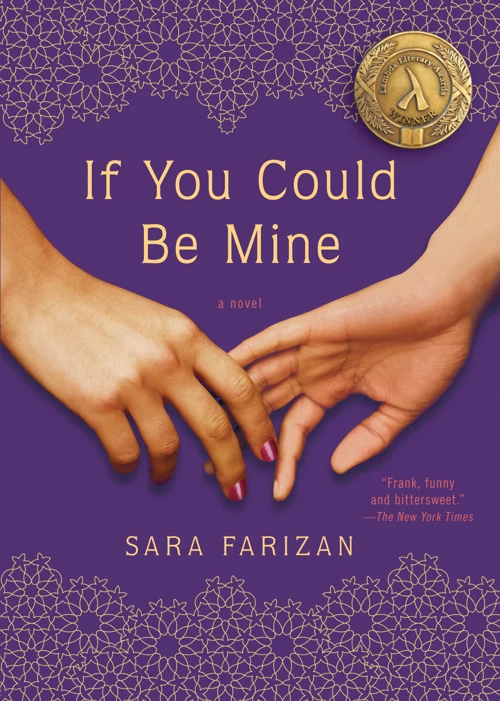
Sahar wants a future with Nasrin in a setting that makes their relationship dangerous. Her search for a way forward raises difficult questions about gender and bodily autonomy. Read it as a particular novel set in Iran, not a universal description of Muslim life or a reliable guide to present-day law.
Whose representation: Sahar and Nasrin are Iranian girls in a secret relationship. Included as a Muslim-context YA story; nationality alone does not establish an individual’s religious practice.
Choose it for: A serious YA story about constraints on a relationship between girls.
Before choosing: Arranged marriage, homophobic threat and medical-transition discussion. Sahar’s proposed transition is a response to constraints on her relationship, not evidence that she is a trans boy. Do not choose it on an assumption of a conventional romantic happy ending.
Premise and representation sources · checked 17 October 2026
These sources support the premise and named representation above; reading fit is Eikna’s editorial judgment. Content notes are selective, not a complete warning inventory.
Hachette If You Could Be Mine — Book verification
LGBTQ Reads queer Muslim YA — Representation discovery
Kirkus: If You Could Be Mine — Independent reading assessment: relationship and character context
Kara Babcock: If You Could Be Mine — Independent reading assessment; medical-content and narrative-depth reservations
Search links do not verify a product or stock. Checked destinations retain their original check date; confirm the format and current availability with the retailer. Unverified product buttons are held.
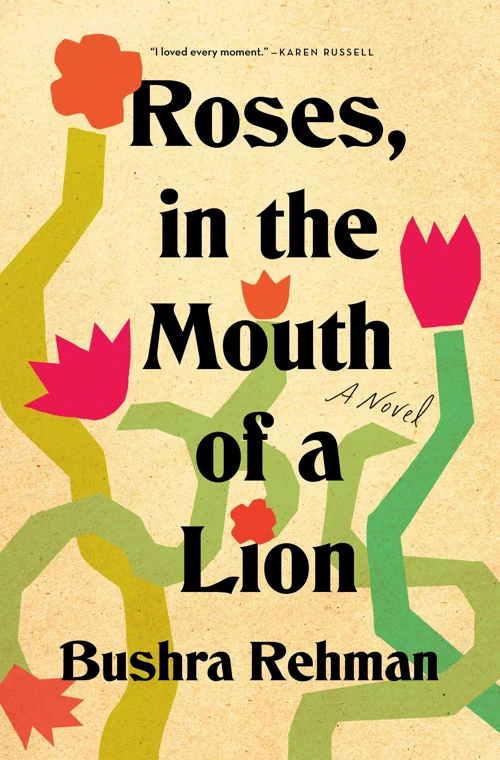
Razia grows up within a close community in Queens while another world becomes available through school, friendship and attraction. The movement between belonging and self-discovery is the reason to read it. It offers a literary route into this guide, with family and neighborhood life taking as much space as the romantic thread.
Whose representation: Pakistani American Muslim Razia and desire for a girl in Queens.
Choose it for: Adult literary fiction about a queer Muslim girl’s community and changing sense of self.
Before choosing: Family and religious conflict alongside joy and friendship; not marketed here as genre romance.
Premise and representation sources · checked 17 October 2026
These sources support the premise and named representation above; reading fit is Eikna’s editorial judgment. Content notes are selective, not a complete warning inventory.
Macmillan: Roses, in the Mouth of a Lion — Publisher: literary fiction, Muslim-American context and relationship
Search links do not verify a product or stock. Checked destinations retain their original check date; confirm the format and current availability with the retailer. Unverified product buttons are held.
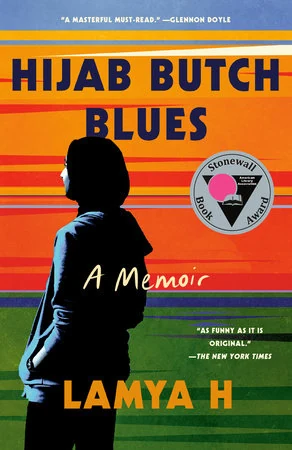
The memoir places episodes from a queer Muslim life in conversation with figures from the Quran. Faith becomes a resource for asking questions about visibility and belonging, rather than a category the narrator must automatically abandon. Choose it when you want first-person life writing, with no expectation of a novel’s relationship structure.
Whose representation: Queer Muslim lived experience; Lamya H publicly identifies as nonbinary. Memoir, not a fictional nonbinary-lead romance.
Choose it for: A queer Muslim memoir connecting spiritual interpretation and daily life.
Before choosing: Family secrecy, discrimination and migration-related difficulty. Respect the author’s pseudonym and chosen public disclosures.
Premise and representation sources · checked 17 October 2026
These sources support the premise and named representation above; reading fit is Eikna’s editorial judgment. Content notes are selective, not a complete warning inventory.
PRH Hijab Butch Blues — Book verification
Them Lamya H profile — Public identity profile
Kirkus: Hijab Butch Blues — Independent reading assessment: memoir and faith
Search links do not verify a product or stock. Checked destinations retain their original check date; confirm the format and current availability with the retailer. Unverified product buttons are held.
Hani’s Muslim faith is a source of comfort in Kirkus’s account of her story. That does not make the friendship pressure around her bisexuality disappear. In the author interview about The Henna Wars, Adiba Jaigirdar describes a different family dynamic: Nishat’s parents draw on religion when rejecting her sexuality despite not being particularly observant. Read these as two specific fictional households rather than two competing verdicts on Muslim life.
A romantic thread can sit inside a larger life story
Razia’s attraction to Angela matters in Roses, in the Mouth of a Lion, but friendship, schooling and neighborhood belonging also shape the novel. Choose it when you want those relationships to share the page. In Hijab Butch Blues, Quranic figures provide a way of interpreting a queer life. Its episodes and reflections serve memoir rather than a fictional courtship arc. Neither book needs to be sold as a romance novel to offer a useful reading experience here.
Decide how much family control you want to encounter
Rukhsana’s relationship is discovered before she can leave home for college; the publisher describes her parents taking her to Bangladesh and the pressure around arranged marriage. If You Could Be Mine puts a secret relationship and an impending marriage at the center of Sahar’s decisions. These are substantial constraints on autonomy, not a light misunderstanding that a witty conversation will immediately resolve. Readers choosing for escape should weigh the actual premises before the shared shelf label.
Use the historical setting without turning fiction into current guidance
Roses moves through a particular Queens community in the 1980s and 1990s. If You Could Be Mine was published in 2013. Its plot about gender and medical transition is a fictional scenario; this guide makes no present-day legal or medical claims about Iran. Sahar’s dilemma should not be generalized to trans people or to every queer Muslim experience.
Where selected readers differ
Kirkus’s Hani and Ishu assessment emphasizes the girls’ contrasting social positions, faith backgrounds and developing connection. That supports a courtship-led starting point, with biphobia and friendship pressure still visible. It is one critical response, not a measured reader consensus.
For If You Could Be Mine, Kirkus values the range of trans characters and their distinct experiences. Kara Babcock’s reading finds sympathy in the portrayal while warning that the medical discussion can be uncomfortable and wishing for deeper conversations and more time with Nasrin. These responses can coexist: a compassionate intention does not guarantee a comfortable reading experience.
Kirkus frames Hijab Butch Blues as hopeful life writing. Our reason for including it is its sustained conversation between faith and queer self-understanding, rather than an invented romance score. These named responses help explain fit; they do not certify a book as safe or universally affirming.
How to choose from this list
Choose a faith context as well as a genre
Hani’s faith can be a source of comfort, while other novels focus on religious and family pressures. Hijab Butch Blues uses Quranic stories as a way to think through a queer life. If you are looking for a practicing character or a particular spiritual approach, that is a more precise request than simply a Muslim label.
Treat the setting as specific
A story set in Iran and a coming-of-age novel in Queens cannot describe the same social or political conditions. If You Could Be Mine is fiction published in 2013; its plot should not be used as legal guidance or a claim about current conditions.
Choose emotional intensity deliberately
The Love and Lies of Rukhsana Ali involves coercion and family control. The school-romance premises have different pressures, and a literary novel or memoir follows a different shape again. We do not mark all these books as uplifting simply because their protagonists are represented.
Frequently asked questions
Do Muslim sapphic books always portray faith as an obstacle?
No. Hani and Ishu’s Guide to Fake Dating and Hijab Butch Blues offer examples where faith has an affirmative role. Other books explore difficult family or social pressures.
Are all South Asian sapphic characters Muslim?
No. Geography and ethnicity do not determine religion. Hani and Ishu have different religious backgrounds, which the guide identifies separately.
Is Hijab Butch Blues a romance novel?
No. It is memoir. It belongs here as first-person queer Muslim writing, with its form clearly labeled.
Which books should I avoid if I want little family conflict?
Start by reading the cautions for Rukhsana Ali and If You Could Be Mine. None of the other entries is guaranteed conflict-free; compare the actual premise before choosing.
These are reading choices, not a universal best-to-worst ranking. Recommendations combine inspected source information with original reader-fit analysis. Selected content considerations are not exhaustive; an omitted warning, age, ending or heat detail remains unknown. Artwork is editorial; the book jackets are authentic published covers, and a displayed jacket may differ from the edition a retailer offers.