Romance Books That Will Make You Cry? Start With These Reported Reactions
If you are searching for romance books that will make you cry, the useful question is what kind of feeling you want to meet. A reunion can bring relief, an unequal marriage can make longing painful, and a family finding its way back together can move a reader even when the romance is comparatively gentle.
Those reactions are testimony, not a guarantee and not Eikna's firsthand experience. We explain the likely emotional route without revealing the events that prompted the reaction, and we keep tears separate from whether an ending is tragic, happy or fully closed. This small selection spans contemporary and historical male–female relationships, a male–male romance and a fantasy romance; the sources and content notes help you choose your own threshold.
AI-generated editorial artwork of fictional adults; not a scene or official jacket from any listed book.
Eikna Editorial Team · Updated 17 October 2026
Researched editorial synthesis, not firsthand reading. Existing Eikna overall scores are reused unchanged. Tears, heat and emotional intensity are not new quality scores.
Divorced parents Yasmen and Josiah still share a restaurant, children and a powerful attraction.
Read & Wright reports heartbreak and happy tears. This is that reviewer's reaction, not a promise that another reader will cry or welcome the same material.
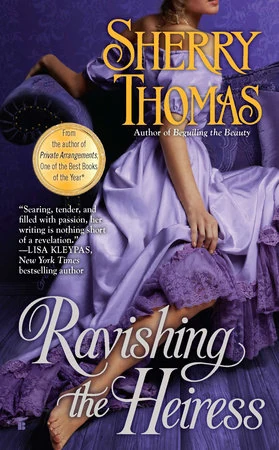
Millie's marriage supplies money and Fitz's title supplies status; their friendship grows while he remains attached to another woman.
Brie at Romance Around the Corner reports crying and describes the appeal of pining, while arguing that the ending is too abrupt. Tears and satisfaction are separate judgments.
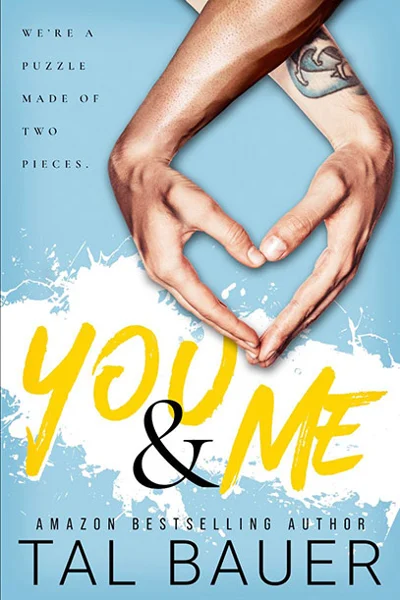
Single fathers Luke and Landon become friends while volunteering around their sons' football team, and Luke begins to understand his attraction.
Erin at The Smut Report explicitly reports tears when discussing the family fallout and communication. She also finds that commitment reduces later romantic tension, making this a useful counterexample to equating tears with maximum angst.
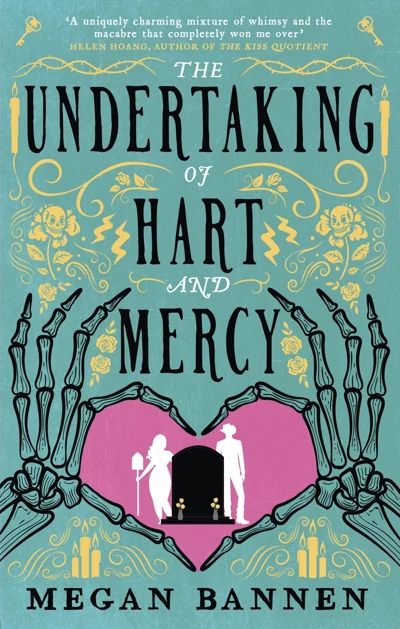
An isolated marshal and an overworked undertaker unknowingly exchange vulnerable letters while clashing face to face.
Jordyn at Birdie's Book Nook reports sobbing at the ending. This is emotional-response testimony, not evidence that the ending is tragic or a promise of another reader's reaction.
4 sourced starting choices
These are limited starter selections, not a comprehensive catalogue or an audience consensus. Purchases through Amazon, Bookshop.org and Libro.fm links may earn us a commission, at no extra cost to you. As an Amazon Associate, Eikna Romance earns from qualifying purchases.
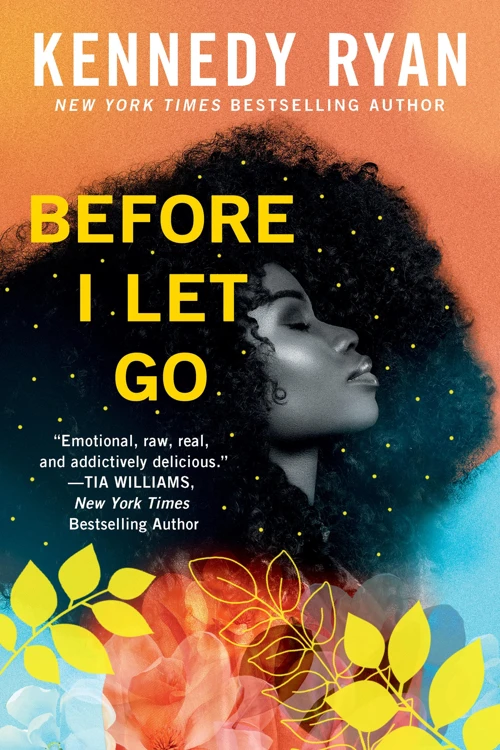
Before I Let Go
Kennedy Ryan
Divorced parents Yasmen and Josiah still share a restaurant, children and a powerful attraction.
Choose it for: Read & Wright's response points toward both heartbreak and relief. Start here if you want the emotional weight of people trying to rebuild a family after loss, with friendship, food and ordinary responsibilities still around them. Check the stillbirth and mental-health material first; wanting a cathartic story does not mean those subjects will be welcome on every day.
Read & Wright reports heartbreak and happy tears. This is that reviewer's reaction, not a promise that another reader will cry or welcome the same material.
A useful disagreement: Jen Ryland finds the mature leads relatable and the romance workable alongside the difficult family material; Kirkus finds the melodrama dominant. These are different judgments about the same balance.
Before choosing: Stillbirth, bereavement, depression and suicidal thoughts are identified in the checked criticism. Therapy, shared parenting and the family's responses matter; this is not a light reunion chosen only for sexual chemistry.
See the evidence behind this choice
Named premise and current collection sources checked 17 October 2026. The full review retains its original source dates and separate unknowns. Selected older observations are labelled where retained.
Millie's marriage supplies money and Fitz's title supplies status; their friendship grows while he remains attached to another woman.
Choose it for: Brie's report is useful because her tears do not turn into an unqualified endorsement of the finish. Choose the long ache of pining and the closeness of friendship if you can tolerate the unequal attachment. If you need ample time for the heroine's pain to be acknowledged, read the disagreement about the ending before choosing it for emotional impact alone.
Brie at Romance Around the Corner reports crying and describes the appeal of pining, while arguing that the ending is too abrupt. Tears and satisfaction are separate judgments.
A useful disagreement: Lou admires the prose but finds too little present-day romantic development and a rushed payoff. Jane values the friendship while questioning Fitz's lack of awareness. Emotional force is not agreement about whether the relationship earns its resolution.
Before choosing: Expect a youthful arranged marriage, other partners and prolonged unequal attachment. Do not choose it as a no-cheating or uncomplicated devoted-spouse recommendation. The hero's recognition and the heroine's endurance are central reader-fit questions.
See the evidence behind this choice
Named premise and current collection sources checked 17 October 2026. The full review retains its original source dates and separate unknowns. Selected older observations are labelled where retained.
Single fathers Luke and Landon become friends while volunteering around their sons' football team, and Luke begins to understand his attraction.
Choose it for: Erin ties the tears to family communication and its consequences. That makes this a different route from waiting through a continuously unstable romance. Choose it if a father trying to regain his son's trust, and two adults finding companionship around parenting, sound more moving than repeated romantic separations. The painful family past still deserves attention.
Erin at The Smut Report explicitly reports tears when discussing the family fallout and communication. She also finds that commitment reduces later romantic tension, making this a useful counterexample to equating tears with maximum angst.
A useful disagreement: Marie stopped at 77% and objects to the deceased wife's portrayal and repeated sexual phrasing. Her partial reading can challenge those elements, but cannot independently assess the final resolution.
Before choosing: The past includes an abusive marriage, overdose death and emotional neglect. A supportive developing couple does not make those family wounds absent. The teens belong to the parenting plot; the romance is between the adult fathers.
Ending and series limit: The source reports about late conflict remain attributed; no new canonical ending or reread score is created.
See the evidence behind this choice
Named premise and current collection sources checked 17 October 2026. The full review retains its original source dates and separate unknowns. Selected older observations are labelled where retained.
An isolated marshal and an overworked undertaker unknowingly exchange vulnerable letters while clashing face to face.
Choose it for: Jordyn reports sobbing at the finish while also enjoying the comedy and the pair's connection. Choose the contrast between a lonely private voice in letters and the busy, macabre world outside. The grief is not only a romantic obstacle, and the invented setting does not make death or bodily detail abstract for every reader.
Jordyn at Birdie's Book Nook reports sobbing at the ending. This is emotional-response testimony, not evidence that the ending is tragic or a promise of another reader's reaction.
A useful disagreement: Kaetrin enjoys the correspondence but notices real hurt in the hostile exchanges and questions whether the repair is reciprocal. The existing review also retains criticism of the tonal and mystery structure.
Before choosing: Grief, death, bodies, violence and reanimated threats are part of this invented world. A warm ensemble does not make it a content-free cozy read. The romantic leads' harsh speech is another independent consideration.
Ending and series limit: The earlier checked Miss Print source describes a functional standalone with a later companion. This does not certify every plot strand or the complete setting; the original source dates remain in the existing review.
See the evidence behind this choice
Named premise and current collection sources checked 17 October 2026. The full review retains its original source dates and separate unknowns. Selected older observations are labelled where retained.
A recommendation often uses crying as shorthand for emotional strength. That can conceal the difference between a devastating loss, a kind gesture arriving when it is needed, and an old relationship finally changing. The named reactions here tell you that a particular reader was moved; the accompanying explanation helps you decide whether the surrounding story interests you.
You & Me is especially useful for separating these ideas. Erin reports tears, while Caz Owens describes comparatively little contrived romantic angst. A reader can care deeply about family repair without needing the couple to keep hurting each other. If you want a more prolonged ache around the relationship, compare Ravishing the Heiress on the high-angst guide instead.
Choose the limits before the catharsis
Before I Let Go includes stillbirth and mental-health material. You & Me carries abuse and overdose history. Hart and Mercy places grief beside bodies and reanimated threats. Ravishing the Heiress asks you to sit with years of unequal attachment and other partners. These are not interchangeable ways to be moved, and a short list cannot replace a book-specific content check.
It is reasonable to want an emotional book and still exclude a particular subject. A useful request might be family repair that has moved readers to tears, without pregnancy loss; or prolonged romantic longing with no sexual violence. This starter cannot certify every absence, so use the identified notes to ask the next question rather than assuming silence means safety.
What a reported tear does not tell us about the ending
The fact that a reviewer cried at a finish does not tell you whether a lover died, whether the couple stayed together or whether an external plot continued. We avoid converting emotional testimony into an ending classification. The existing assessments retain their unknowns, and any explicit continuing-story information stays separate.
A reader may also cry and want more from the resolution. Brie's Ravishing the Heiress discussion demonstrates that distinction directly. If you need a particular stopping point, check the ending and series evidence before buying. A companion novel is not automatically a cliffhanger, and a couple's positive outcome is not proof that every thread is closed.
None of these reactions supplies a numerical tear score or a universal prediction. Eikna's displayed overall stars come from the existing evidence-based assessments; they measure their documented quality dimensions, not how much a reviewer cried. We have not converted the sources' personal grades into our scores.
Questions before choosing
Will these books definitely make me cry?
No. Each has an explicit attributed tear report, but individual response depends on experience, mood and preferences. The reports belong to the named critics, not to Eikna's firsthand reading.
Does tearjerker mean a tragic ending?
No. Readers may cry from relief, recognition, grief or joy. A report of tears cannot establish a formal ending classification.
Are all four high-angst romances?
No. You & Me is a deliberate comparison: its critics describe tenderness and family repair alongside less contrived romantic angst. The high-angst starter uses a separate inclusion gate.
Can I use these as a no-cliffhanger list?
No. This page is selected for attributed reactions, not complete plot closure. Consult the full review and series information for that separate requirement.
The author or publisher establishes the named premise; independent critics describe their completed reading and the aspects that affected them. One partial-reading counterexample is identified as such. A report of tears is attributed, not a population survey, a guarantee or Eikna reading experience.
The canonical book records, existing overall stars and retailer evidence remain the authority for those separate fields. We have not inferred a shared heat level, a missing ending, a full warning inventory or current availability. A brief list of considerations does not certify the absence of other material.