High-angst romance keeps a relationship emotionally uncertain for more than a fleeting misunderstanding. You may be waiting for old wounds to stop controlling a reunion, for affection to become dependable or for one partner to recognize what the other has carried for years.
The inclusion gate is sustained relationship or emotional conflict described in identified criticism and grounded in the named book's premise. A difficult diagnosis, a shy character or a tragic event alone would not be enough. This is a small researched selection of male–female romances across contemporary and historical settings, not a genre-wide angst ranking or a guarantee that the final payoff will satisfy you.
AI-generated editorial artwork of fictional adults; not a scene or official jacket from any listed book.
Eikna Editorial Team · Updated 17 October 2026
Researched editorial synthesis, not firsthand reading. Existing Eikna overall scores are reused unchanged. Tears, heat and emotional intensity are not new quality scores.
Divorced parents Yasmen and Josiah still share a restaurant, children and a powerful attraction.
Stillbirth, bereavement, depression and suicidal thoughts are identified in the checked criticism. Therapy, shared parenting and the family's responses matter; this is not a light reunion chosen only for sexual chemistry.
Writers Eva and Shane reconnect as adults after a brief, intense teenage relationship and years apart.
The checked reviews discuss addiction, self-harm history, chronic migraines and difficult adolescent experiences. The adult reunion is not a current-college romance. Familiarity and desire do not automatically establish present reliability.
Millie's marriage supplies money and Fitz's title supplies status; their friendship grows while he remains attached to another woman.
Expect a youthful arranged marriage, other partners and prolonged unequal attachment. Do not choose it as a no-cheating or uncomplicated devoted-spouse recommendation. The hero's recognition and the heroine's endurance are central reader-fit questions.
3 sourced starting choices
These are limited starter selections, not a comprehensive catalogue or an audience consensus. Purchases through Amazon, Bookshop.org and Libro.fm links may earn us a commission, at no extra cost to you. As an Amazon Associate, Eikna Romance earns from qualifying purchases.
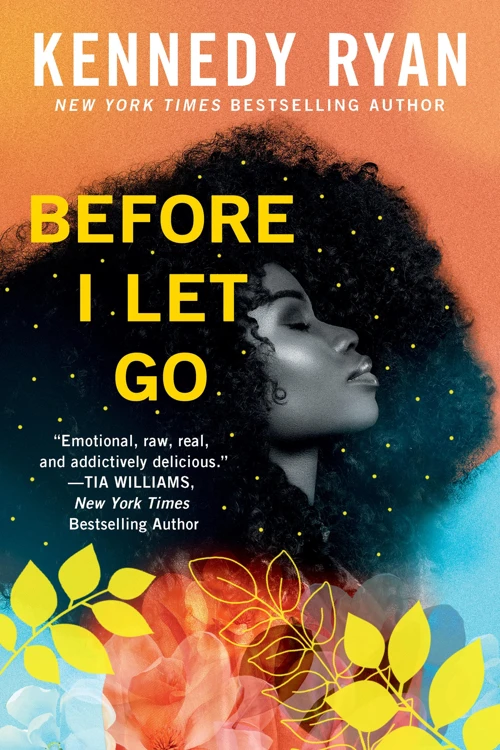
Before I Let Go
Kennedy Ryan
Divorced parents Yasmen and Josiah still share a restaurant, children and a powerful attraction.
Choose it for: The pressure comes from trying to reopen a relationship that has already broken under loss. Yasmen and Josiah cannot simply become strangers: parenting and business make contact part of ordinary life. Choose it when you want attraction to be tested against communication and individual healing, including the possibility that familiar arguments may return.
Kirkus explicitly describes sustained angst and a dramatic family journey, while questioning the balance between romance and family saga.
A useful disagreement: Jen Ryland finds the mature leads relatable and the romance workable alongside the difficult family material; Kirkus finds the melodrama dominant. These are different judgments about the same balance.
Before choosing: Stillbirth, bereavement, depression and suicidal thoughts are identified in the checked criticism. Therapy, shared parenting and the family's responses matter; this is not a light reunion chosen only for sexual chemistry.
See the evidence behind this choice
Named premise and current collection sources checked 17 October 2026. The full review retains its original source dates and separate unknowns. Selected older observations are labelled where retained.
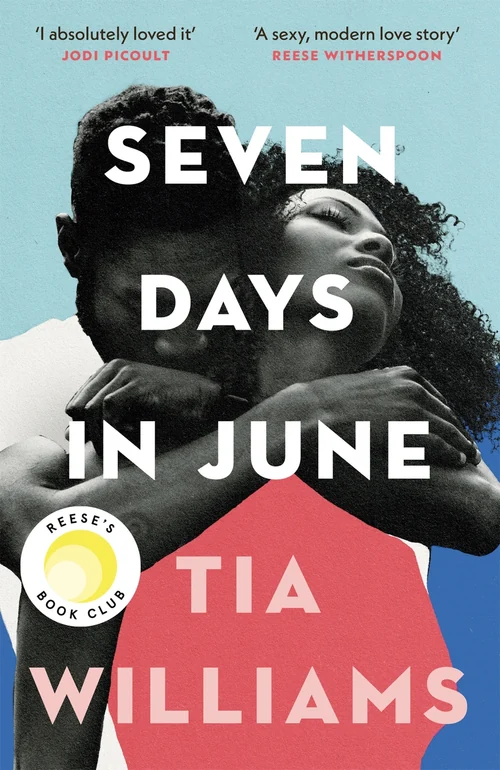
Writers Eva and Shane reconnect as adults after a brief, intense teenage relationship and years apart.
Choose it for: The central uncertainty is not whether the pair once connected. They did. The question is what their past means for an adult relationship, with recovery, parenting and creative work around them. Choose this for a reunion where recognition can be immediate while reliability still needs to be built; do not treat remembered intensity as proof of present compatibility.
Kirkus connects the reunion to unresolved trauma and the question of whether the leads can sustain an adult relationship; Publishers Weekly separately values the persistence of past wounds.
A useful disagreement: Trade critics value the layered adult lives. The existing assessment retains a selected StoryGraph reader's reservations about dated references and compressed late movement, checked 7 October; this individual response has not been refreshed here.
Before choosing: The checked reviews discuss addiction, self-harm history, chronic migraines and difficult adolescent experiences. The adult reunion is not a current-college romance. Familiarity and desire do not automatically establish present reliability.
Ending and series limit: No new HEA/HFN, no-breakup or no-cliffhanger classification is assigned. Read the full assessment for its preserved uncertainty and sources.
See the evidence behind this choice
Named premise and current collection sources checked 17 October 2026. The full review retains its original source dates and separate unknowns. Selected older observations are labelled where retained.
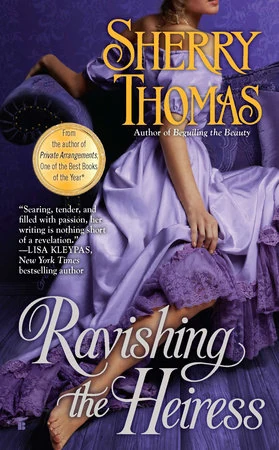
Millie's marriage supplies money and Fitz's title supplies status; their friendship grows while he remains attached to another woman.
Choose it for: The long pressure is built into the marriage's unequal emotional terms. Millie lives with love her husband does not recognize, while friendship can make the arrangement bearable without answering her longing. Choose it if you want sustained pining and can tolerate a hero whose awareness arrives late. The amount of acknowledgment after that recognition is exactly where critics disagree.
Jane describes painful flashbacks, concealed love and years of friendship under an arrangement that postpones physical marriage. The pressure is sustained rather than a single late misunderstanding.
A useful disagreement: Lou admires the prose but finds too little present-day romantic development and a rushed payoff. Jane values the friendship while questioning Fitz's lack of awareness. Emotional force is not agreement about whether the relationship earns its resolution.
Before choosing: Expect a youthful arranged marriage, other partners and prolonged unequal attachment. Do not choose it as a no-cheating or uncomplicated devoted-spouse recommendation. The hero's recognition and the heroine's endurance are central reader-fit questions.
See the evidence behind this choice
Named premise and current collection sources checked 17 October 2026. The full review retains its original source dates and separate unknowns. Selected older observations are labelled where retained.
A reunion can produce angst through the fear of repeating a failed pattern. Before I Let Go makes that fear practical because its couple still share a family and work. Their history means there is something specific to repair; it also gives the story material beyond a first courtship. A reader who wants emotional honesty may welcome that scope while another may find the family drama too dominant.
Seven Days in June uses a different gap between past and present. The characters' earlier connection does not settle whether they have the skills to sustain what they want now. The checked trade criticism supports the importance of that question, while the existing assessment retains a reader's objection to later compression. An emotionally credible premise and a satisfying pace are separate tests.
Ravishing the Heiress asks you to spend time with an imbalance. If your pleasure comes from the eventual acknowledgment of quiet loyalty, the friendship may keep you invested. If you need reciprocal romantic action throughout the book or substantial reassurance afterward, the same structure may be frustrating. Naming that difference is more useful than telling every reader to push through.
Intensity is not evidence of a good payoff
A novel can make a reader ache and still leave them dissatisfied with the repair. Reviewers of Ravishing the Heiress are particularly useful here because praise for the prose coexists with objections to how quickly recognition resolves. We retain both. Enduring more pain is not automatically a larger romantic reward.
Ask what you want the story to do after the main recognition: spend time on accountability, show changed behaviour, revisit earlier harm or allow the pair ordinary happiness. A blurb rarely supplies enough detail to answer that. Use critical reservations and the full assessment, while remembering that a formal outcome such as HEA is different from a critic judging the resolution emotionally sufficient.
If you want depth with less romantic strain
A difficult past need not keep the developing couple in continual crisis. Caz Owens describes You & Me as serious in tone but comparatively free of contrived romantic angst, while Erin reports tears. That is a reason to compare it on the emotional guide, not an invitation to erase its abuse and bereavement history.
Always Only You is another nearby route for mutual care, with a critic who actually wants more push and pull. These contrasts help clarify the request. You might want emotional stakes with secure partnership, or you might want prolonged uncertainty and delayed recognition. Both can be valid reading preferences; they should not be disguised as the same recommendation.
Questions before choosing
Does high angst mean cheating or a love triangle?
No. Those are separate plot or relationship boundaries. Ravishing the Heiress does involve other partners and prolonged attachment elsewhere; it is not offered as a no-cheating choice.
Does this starter guarantee a happy ending?
No new ending classification or satisfaction guarantee is made. The selection gate is sustained pressure, and existing formal ending limits remain visible in the full assessments.
Is trauma alone enough for inclusion?
No. The evidence must explain how emotional or relationship pressure persists in the named story, rather than infer angst from the presence of trauma, illness or disability.
Which guide should I use if I want tears without constant romantic conflict?
Compare the attributed-tears starter and the broader emotional guide. They include family repair and tenderness as different sources of emotional response.
The author or publisher establishes the named premise; independent critics describe their completed reading and the aspects that affected them. One partial-reading counterexample is identified as such. A report of tears is attributed, not a population survey, a guarantee or Eikna reading experience.
The canonical book records, existing overall stars and retailer evidence remain the authority for those separate fields. We have not inferred a shared heat level, a missing ending, a full warning inventory or current availability. A brief list of considerations does not certify the absence of other material.