A menacing house can make attraction feel dangerous before the lovers have done anything to oppose each other. If you want Gothic enemies-to-lovers romance, ask a second question: what does each person stand to lose by trusting the other?
This decision guide offers two carefully bounded starters from existing Eikna assessments: Romancing the Duke for comic Gothic property opposition, and Master of Crows for a coercive spy-and-target bargain in Gothic-inflected fantasy. Two comparison cards explain why tournament rivalry and professor/student attraction need different labels. These are researched editorial selections, not firsthand reading, a comprehensive catalogue or four unqualified enemies recommendations.
AI-generated editorial artwork of fictional adults, not a scene, actual character likeness or official cover.
Eikna Editorial Team · Updated 18 October 2026
Researched editorial synthesis, not firsthand reading. Existing Eikna overall scores are reused unchanged; a Gothic reading and a relationship-conflict gate are separate from quality.
Caz Owens describes competing ownership claims: Ransom wants Izzy gone, while she insists on staying. Their subsequent correspondence investigation creates cooperation. This is property-based opposition with attraction, not a murderous feud.
Draven’s own premise makes the opposition concrete: Martise is supposed to obtain evidence that could condemn him, and Silhara knows she is a spy. Their shared research does not immediately remove her coerced assignment or his suspicion.
The publisher establishes competition and political opposition, but those are not identical to sustained personal hostility between the lovers. This is a labelled rivals/allies comparison, not a third strict enemies recommendation.
Comparison: forbidden attraction, not admitted as enemies
Corvina and Vad’s professor/student relationship creates forbidden attraction and institutional risk. The material used here does not establish sustained opposing goals between them. This is a boundary comparison, not another enemies selection.
4 bounded starters, then two useful comparisons
The comparison cards are not additional strict enemies recommendations. Purchases through Amazon, Bookshop.org and Libro.fm links may earn us a commission, at no extra cost to you. As an Amazon Associate, Eikna Romance earns from qualifying purchases.
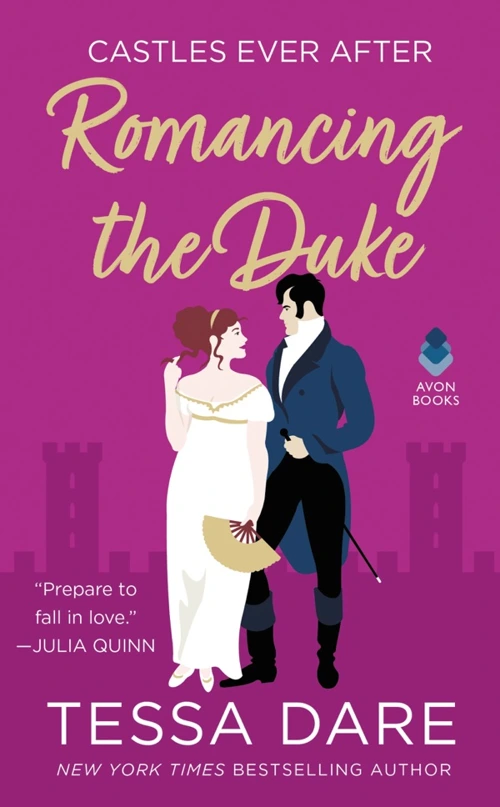
Romancing the Duke
Tessa Dare
Starter: comic Gothic property opposition
Izzy Goodnight arrives at Gostley Castle hoping for an inheritance; its reclusive resident Ransom disputes her right to stay.
Choose it for: Choose this when you want a recognizable Gothic-house setup without requiring relentless dread. The practical question of who can call a place home gives the disagreement a stake beyond bad manners. Avoid it if affectionate parody and fanciful fandom would undermine the atmosphere you came for.
What the evidence supports: Caz Owens describes competing ownership claims: Ransom wants Izzy gone, while she insists on staying. Their subsequent correspondence investigation creates cooperation. This is property-based opposition with attraction, not a murderous feud.
Named reading evidence: Ray Thompson identifies an affectionate parody of Regency and Gothic conventions. He enjoys the central courtship but finds some surrounding business distracting.
Trade-offs and differing reactions: Mrs. Julien recognizes the Gothic homage but finds its costume-play whimsy too implausible to sustain her investment. Comedy is a substantial part of the reading contract, not a small interruption to a frightening novel.
Before choosing: Bereavement, poverty, disability, abrasive treatment and sexualized intimidation deserve attention. Ransom’s loss of sight is not evidence of villainy. The playfulness described by critics does not erase the unequal resources available to the leads.
Ending and series limit: Castles Ever After book one. Existing ending and heat fields remain unknown. Caz’s concerns about a silly resolution and an incompletely explained financial mystery are not converted into a no-cliffhanger or full-closure guarantee.
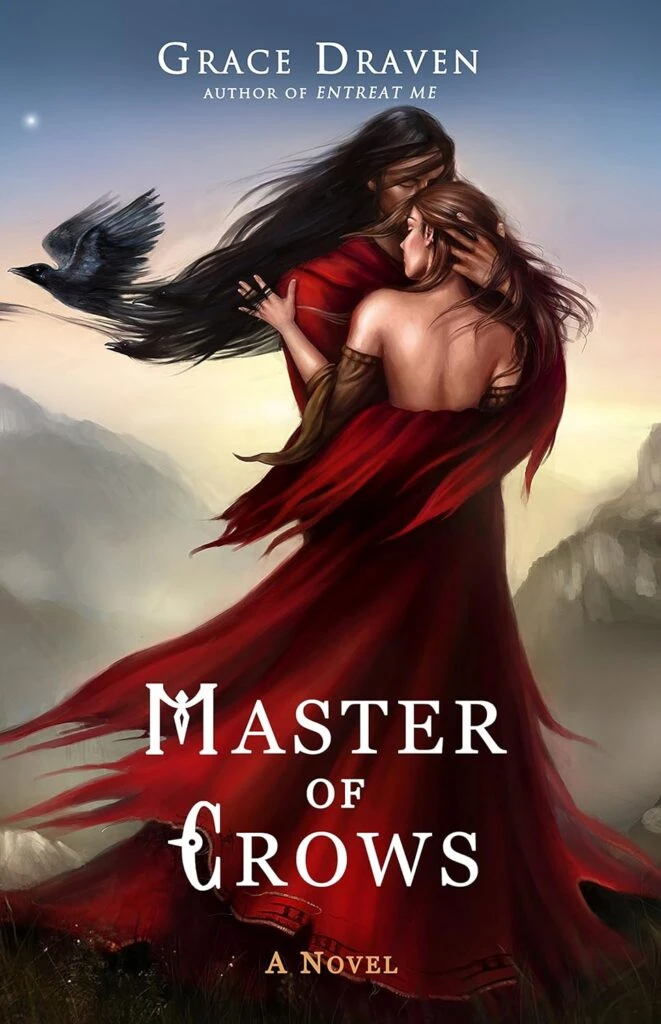
Enslaved Martise accepts a spying assignment against Silhara to win her freedom, while the mage fights a god trying to possess him.
Choose it for: Choose this when a change of allegiance interests you more than a contest of clever insults. The research partnership has to coexist with a potentially lethal assignment, making trust an action with consequences. The constrained choices are also a strong reason to pass if you need equal, independent partners from the outset.
What the evidence supports: Draven’s own premise makes the opposition concrete: Martise is supposed to obtain evidence that could condemn him, and Silhara knows she is a spy. Their shared research does not immediately remove her coerced assignment or his suspicion.
Named reading evidence: Nerine Dorman explicitly reads the setting and romance as Gothic fantasy, praising its sensual atmosphere and gradual unfolding. Her accessible StoryGraph review is the same criticism root as her earlier blog, not independent corroboration of itself.
Trade-offs and differing reactions: Portia Bridget values the incremental relationship and contradictory antihero, but finds some sexual idealization excessive and the climactic ritual rushed. An Dierickx also enjoys the attraction while questioning time jumps and predictable plotting.
Before choosing: Enslavement, constrained consent, a powerful teacher/target and threatened loss of bodily autonomy are central considerations. Martise’s assignment is not a freely chosen professional rivalry; readers may reject the power structure even when they want a substantial reason for distrust.
Ending and series limit: Secondary-world Gothic-inflected fantasy, not a Regency romance or contemporary ghost story. Draven separately lists a sequel novella and follow-up stories. This guide does not transfer their outcomes to book one or declare the entire sequence closed.
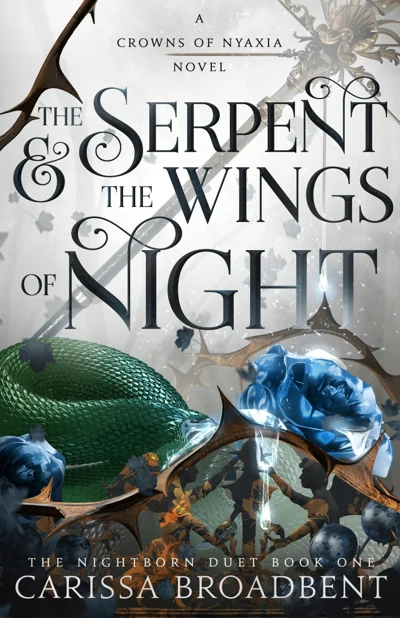
Oraya enters a lethal vampire tournament and forms an alliance with Raihn, a rival contestant and an enemy of her father’s crown.
Choose it for: Choose this comparison if you are happy for political danger and a survival alliance to supply much of the tension. Pass if your essential request is a long period in which the lovers themselves actively work against each other. Keep the first-book cliffhanger separate from your interest in the couple.
What the evidence supports: The publisher establishes competition and political opposition, but those are not identical to sustained personal hostility between the lovers. This is a labelled rivals/allies comparison, not a third strict enemies recommendation.
Named reading evidence: Ashlie H. describes Gothic city and palace atmosphere and specifically calls the dynamic rivals-to-lovers. Her separate praise for narration concerns the audiobook performance, not a second author or an Eikna listening experience.
Trade-offs and differing reactions: Nazah Afreen disputes the enemies label and finds Raihn more convincing as an ally and friend than as a personal opponent or romantic partner. Her enjoyment of the tournament does not erase that reservation.
Before choosing: Lethal violence, unequal human/vampire power and family control are important. The retained author-note research also flags sexual-assault material and self-harm; consult the exact-title author advisories rather than assuming the list is exhaustive.
Ending and series limit: Book one of the Nightborn Duet; the existing cliffhanger disclosure remains. Neither a later volume’s resolution nor the wider series reading order makes this first book a complete romantic or political ending.
Comparison: forbidden attraction, not admitted as enemies
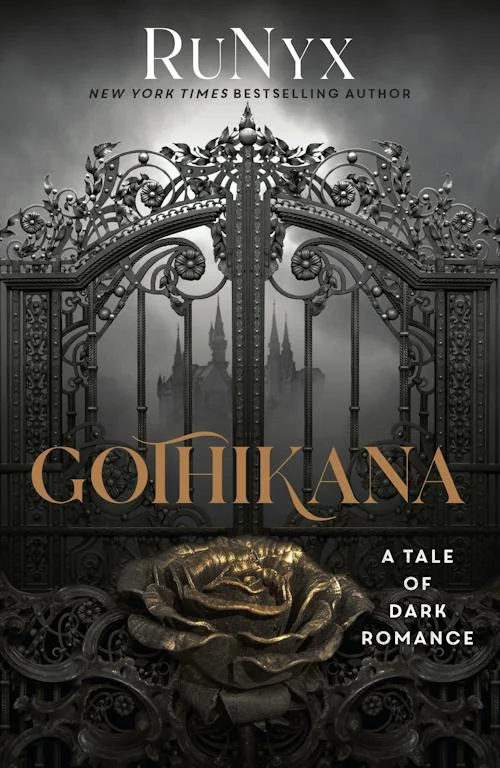
New undergraduate Corvina Clemm arrives at the secluded University of Verenmore and becomes involved with part-time professor Vad Deverell amid disappearances and secrets.
Choose it for: Choose this comparison for secluded academic atmosphere and a relationship that crosses an institutional boundary. Do not choose it merely because a hostile-looking setting seems to promise enemy lovers. Teacher/student authority and consent concerns may matter more to your choice than the trope label.
What the evidence supports: Corvina and Vad’s professor/student relationship creates forbidden attraction and institutional risk. The material used here does not establish sustained opposing goals between them. This is a boundary comparison, not another enemies selection.
Named reading evidence: Becca praises the Gothic atmosphere but finds the attraction sudden and several mystery threads unfinished. Her publisher-supplied copy is disclosed.
Trade-offs and differing reactions: Mrs P explicitly reports a couple HEA but strongly rejects the prose and consent handling. That outcome testimony is not an endorsement of the relationship.
Before choosing: Teacher/student authority, deaths, sexual content and disputed consent deserve attention apart from atmosphere. Diagnosis or hearing voices is not evidence of literal ghosts, nor an explanation for a character’s morality.
Ending and series limit: The publisher excerpt explicitly offers Corvina a two-year associate undergraduate course. Vad’s thesis does not turn her into a graduate student. Couple-HEA testimony does not establish full mystery closure or the outcome of other Verenmore books.
Existing official product mockup, not cropped or reconstructed. The artwork does not verify a shopping edition or stock. Held actions are unverified destinations, not unavailable formats.
Two questions that a Gothic enemies guide should answer
First identify the Gothic pressure: a threatened home, hidden history, an isolated household or uncertainty about the person controlling the space. Then identify the relationship conflict in concrete terms. “She needs evidence against him” says more than “he seems dangerous.” “They claim the same home” says more than “he is grumpy.” Those statements let you decide whether the story offers the kind of change in trust you want.
These two starters use different forms of opposition. The comic castle story turns a material disagreement into cooperation; the fantasy places cooperation inside a mission that could betray a partner. Neither needs to be sold as equally frightening, equally cruel or equally explicit. The narrow labels on the cards are part of the recommendation, not qualifications hidden after the purchase buttons.
Match the change of trust to your boundaries
If you enjoy reconciliation, decide what must change before attraction feels credible: information, conduct, freedom to leave, accountability, or the goal that originally placed the leads on opposite sides. Desire alone does not answer those questions. A story can offer a compelling fantasy of risk while still containing a power arrangement you do not want to read.
Also ask who holds the practical leverage. Housing, employment, magical training and bodily autonomy are different dependencies. Being confident or resourceful does not make a constrained person unconstrained. Read a critic’s enthusiasm beside their reservations, then use the full assessment and exact-title content notes to decide what you can accept.
Keep four neighboring requests separate
Gothic atmosphere answers a question about the reading environment. Enemies-to-lovers answers a question about relationship change. Dark romance concerns another set of relationship risks and conventions, while paranormal identifies a supernatural premise. These can intersect, but a castle cannot verify all four. The existing Gothic hub offers broader routes when actual opposition is not essential.
Rivals may want the same prize without wanting each other harmed; reluctant allies may distrust one another while pursuing the same objective. Forbidden lovers may want each other from early on while the obstacle comes from an institution or another person. Family enmity is another possibility, but it does not automatically establish that the two leads personally oppose one another throughout the story.
Decide your ending requirement before starting a sequence
A change in trust does not certify a completed plot. If unresolved danger would spoil the experience, check the exact installment rather than a series-level promise. The Serpent and the Wings of Night comparison explicitly retains its first-book cliffhanger. The other cards do not acquire a full-closure guarantee because a critic likes the courtship.
The same discipline applies to sexual content. Gothic, comic, adversarial and adult are not interchangeable heat labels. Existing ratings and unknown fields remain unchanged here; there is no shared numeric spice scale, scene-count estimate, no-cheating promise or assertion about subscription access.
Questions before choosing
What counts as Gothic enemies-to-lovers romance here?
Both a supported Gothic treatment and a concrete relationship conflict are required. The two starters have different limits: comic property opposition in Romancing the Duke and spy/target opposition in the Gothic-inflected fantasy Master of Crows.
Is Romancing the Duke a dark, frightening enemies romance?
Not the version offered here. Named critics identify Gothic conventions used for comedy and disagree about the whimsy. Its ownership dispute is real, but the guide does not promise mortal enmity or sustained horror.
Why does Master of Crows now qualify for this guide?
The author establishes a dangerous spying assignment, and a newly accessible exact review by Nerine Dorman explicitly identifies Gothic fantasy. Her StoryGraph crosspost is one criticism root, not independent confirmation of her blocked blog.
Are all four cards enemies-to-lovers recommendations?
No. Two are bounded starters. The Serpent and the Wings of Night is a rivals/allies comparison with contrary testimony, and Gothikana is a forbidden-attraction comparison. Their labels are visible before the shopping actions.
Do Gothic atmosphere and an enemies premise guarantee an HEA?
No. Check the exact book and installment. This guide preserves existing ending unknowns and the explicit first-book cliffhanger for The Serpent and the Wings of Night.