How to Walk Away by Katherine Center Review
Eikna Score: 6.7/10. Recommended with reservations.
How to Walk Away is a warm, wrenching novel about a woman rebuilding her life after a plane crash, with a gruff Scottish physical therapist as the slow-dawning love interest. Its family story and voice are excellent, but readers with disabilities are split on how it handles recovery, and the romance is the thinnest thread.
Read it if you want an emotional, closed door story about resilience and sisters, with a grumpy hero who refuses to let the heroine give up. Skip it if you want a romance-first book, or a story about serious injury that ends differently from the fairy tale.
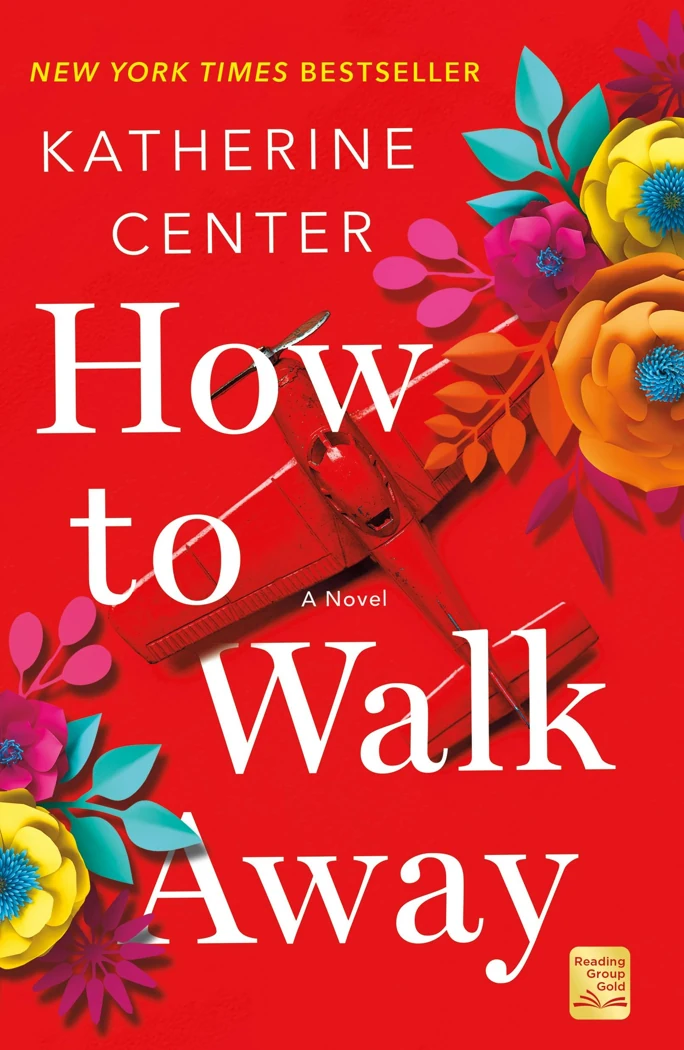
How to Walk Away at a Glance
How to Walk Away is a standalone novel by Katherine Center, first published by St. Martin's Press on May 15, 2018. Margaret Jacobsen narrates in first person after a small plane crash upends her career, engagement and body. It is closed door, centers family as much as romance and ends happily.
| Author | Katherine Center |
|---|---|
| Series | Standalone |
| Subgenre | Contemporary romance and women's fiction |
| Main tropes | Grumpy and sunshine, therapist and patient, starting over, estranged sisters, slow burn |
| Spice level | 1/5: Kisses only / closed door |
| Content warnings | Plane crash, serious injury and burns, suicidal ideation, cheating (full list below) |
| POV | First person, Margaret |
| Ending | HEA |
| Pages | 320 (2018 hardcover, per Publishers Weekly); 368 in the St. Martin's Griffin paperback |
| Audiobook | Narrated by Thérèse Plummer, 10 hours 36 minutes (Macmillan Audio) |
| First published | May 15, 2018 |
| Publisher | St. Martin's Press (paperback by St. Martin's Griffin), Macmillan |
What Is How to Walk Away About?
Margaret Jacobsen has everything lined up: a dream job about to start and a boyfriend, Chip, who is about to propose. He does it on a short flight in a small plane he has just learned to fly. The plane crashes.
Margaret wakes up in a hospital with serious injuries and no idea whether she will walk again. Her career and her engagement suddenly look very different, and her estranged sister Kitty turns up after years away. The person who will not let Margaret sink is her physical therapist, Ian, a blunt Scot with no bedside manner and no patience for self-pity. The novel follows the first months of her new life and the unexpected bond that grows between them.
What Makes This Grumpy Therapist Romance Work
How to Walk Away works because it is really about a voice. Margaret narrates her own catastrophe with humor, fury and a lot of honesty, and Katherine Center lets her be unlikeable when she is in pain. Readers who come for the romance stay for that voice.
The romance is a slow grumpy and sunshine thread. Ian is curt, rule-bound and unimpressed by Margaret's despair, and their sessions crackle with irritation before they turn tender. Kirkus found the romantic thread believable, and because he is her therapist the book has to take the ethics of that seriously, which Dini at dinipandareads noted it does, with consequences.
The sister story is the secret weapon. Kitty's return, and the slow repair between the two women, gives the book some of its best scenes. Publishers Weekly highlighted the memorable small encounters of the family reunion, and readers who like family-centered stories will find a lot here.
My Review
How to Walk Away is not quite a romance, and it is better read as a novel with a love story inside it. Approached that way, it is a strong, funny, deeply sad book about losing the life you planned. Approached as a romance, it will feel lopsided, because Ian gets fewer pages than Kitty and much fewer than Margaret's own head.
It is also a book where the reader's own experience matters a lot. Jenn Delperdang, reviewing for KWIT and the Sioux City Public Library, valued how it shows varied forms of happiness after injury. Other readers, including reading_while_fat on The StoryGraph, who did not finish it, strongly dispute the recovery portrayal. Both of those reactions are worth taking seriously.
Romance and Chemistry
Ian and Margaret are a classic pairing: a grump who cares too much and a patient who would rather fight than try. Their early sessions are the best part of the romance, all pushback and grudging respect. I believed his care for her long before either of them said anything.
The romance is underweighted, though. Lisa at Bookshelf Fantasies found the attraction predictable and some of the dialogue groan-worthy, and Jennifer at My Book Joy called the grand gesture contrived and did not connect with the love story. I liked the romance more than either of them did, but the grand gesture asks for a lot of goodwill. Because of the therapist and patient boundary, the book also keeps them apart for a long stretch, which makes sense ethically and costs it momentum.
The Characters
Margaret is a complicated narrator: privileged, ambitious, self-absorbed in her grief and very funny. Her arc is about learning to measure a life by something other than the plan, and Kirkus placed her changed life firmly at the center of the book. Dini at dinipandareads appreciated that there is no miracle recovery. I agree that is to the book's credit.
Kitty is the standout supporting character, prickly, glamorous and carrying her own damage. Seattle Book Mama found some of the supporting cast overdrawn, which is fair: the parents in particular come in loud. Chip is drawn as a cautionary tale more than a person.
Writing and Pacing
Center writes fast, warm, conversational prose, and the first chapters, from the plane to the hospital, are gripping. The middle of the book slows into rehabilitation and family drama, which suits the subject and will try some readers' patience.
The disability portrayal is the real question. Sam Still Reading found the adaptation to injury superficial, and reading_while_fat disputed how recovery is shown. On r/RomanceBooks, morobaby found the early audio distressing. Others, like Jenn Delperdang, valued the book's refusal to make happiness depend on a cure. I read it as a sincere attempt that centers an able-bodied writer's idea of resilience. It moved me, and I understand why it angers others. Lisa at Bookshelf Fantasies thought the happy ending tipped into farce, and the last chapters are certainly the book's least grounded.
How to Walk Away is a funny, moving novel about rebuilding a life after catastrophe, with a slow grumpy-therapist romance that plays second fiddle to the sisters. Read it for Margaret's voice and Kitty, and go in knowing that its take on disability divides readers.
How Spicy Is How to Walk Away?
How to Walk Away is a 1 out of 5 on our scale: Kisses only / closed door. The romance is closed door, built on tension, conversation and a few kisses. A reader on r/RomanceBooks reported no explicit material, and there is nothing on the page beyond kissing.
It is a good choice for readers who want an emotional story without sex scenes. See our closed door romance list for more in this range.
Content warnings, drawn from Dini at dinipandareads and reader reviews:
- A small plane crash, described in detail
- Serious injury, burns and burn surgery
- Suicidal ideation
- A toxic relationship and cheating
- Mentions of death and gun violence
- Disability and body image, handled in ways some readers dispute
Our content warnings guide explains how we compile these lists, and our romance heat levels guide explains the scale.
Who Should Read How to Walk Away?
How to Walk Away suits readers who want a heartfelt, closed door story about resilience, family and a slow-growing love, told in a funny first person voice. It suits readers less well if they want a romance-first book or if a nondisabled author's portrait of spinal injury and recovery is a concern for them.
Best for:
- Readers who like emotional women's fiction with a love story
- Fans of grumpy heroes who show care through tough love
- Anyone who wants a sister reconciliation story
- Readers looking for closed door romance
Not for:
- Readers who want the romance at the center
- Anyone seeking authentic disabled-author representation
- Readers who want a grounded, realistic ending
- Those sensitive to detailed injury and medical scenes
What Readers and Critics Are Saying
How to Walk Away is one of Katherine Center's best-known novels and drew positive trade reviews from Kirkus and Publishers Weekly. Reader opinion is split, especially among readers with lived experience of disability.
Where they agree. Voice and family. Kirkus praised a believable romantic thread and put Margaret's changed life at the center, Publishers Weekly highlighted the family reunion scenes, and Dini at dinipandareads valued the absence of a miracle recovery. Jenn Delperdang at KWIT and the Sioux City Public Library valued the book's different forms of happiness after injury.
Where they split. Recovery and romance. reading_while_fat on The StoryGraph did not finish the book and strongly disputes its recovery portrayal, and Sam Still Reading called the adaptation to injury superficial. Lisa at Bookshelf Fantasies found the romance predictable and the ending farcical, Jennifer at My Book Joy found the grand gesture contrived, and Seattle Book Mama found some supporting characters overdrawn.
The Eikna Evidence Scorecard
How to Walk Away scores 6.7 out of 10 on the Eikna Evidence Scorecard, with its best mark for emotional impact and its lowest for romance, ending and reread appeal, where an underweighted love story and a contested recovery arc cost it.
| Dimension | Score (/5) | Why |
|---|---|---|
| Romance (20%) | 3 | Kirkus finds the thread believable; Bookshelf Fantasies and My Book Joy find it predictable. |
| Characters (15%) | 3.5 | Margaret and Kitty are vivid; Seattle Book Mama finds some side characters overdrawn. |
| Writing and pacing (15%) | 3.5 | Warm, fast voice; the rehab middle slows and the ending tips toward farce. |
| Emotional impact (15%) | 4 | A wrenching story of loss and family that Publishers Weekly praises for its small moments. |
| Heat level (10%) | 3.5 | Delivers exactly the closed door tension it promises. |
| Ending satisfaction (15%) | 3 | A happy ending that some readers, like Bookshelf Fantasies, found unconvincing. |
| Reread appeal (10%) | 3 | Rewarding for the voice; the recovery portrayal is harder to revisit. |
The Eikna Overall Ranking: How to Walk Away sits in the middle of Katherine Center's catalogue, more emotional than The Bodyguard but less balanced as a romance, and it earns a final Eikna Score of 6.7/10.
Is How to Walk Away a Standalone?
Yes. How to Walk Away is a standalone novel with no required predecessor, and you can read Katherine Center's books in any order. Her Eikna-reviewed novels, in publication order:
- Happiness for Beginners (2015)
- How to Walk Away (2018)
- What You Wish For (2020)
- The Bodyguard (2022)
- Hello Stranger (2023)
Best format: Thérèse Plummer's Macmillan Audio narration is about ten and a half hours and suits Margaret's mix of sarcasm and grief, but one reader on r/RomanceBooks found the early crash and hospital scenes hard to hear. Print lets you set your own pace through them. Our series order guide covers connected series.
If You Loved How to Walk Away, Read These Next
If you loved How to Walk Away, look for emotional romances where a hard-edged love interest helps someone rebuild.
- The Bodyguard by Katherine Center: Center at her most playful, with a fake relationship and a protective heroine.
- Hello Stranger by Katherine Center: another heroine changed by a medical crisis, with a lighter touch.
- Happiness for Beginners by Katherine Center: a wilderness course, a fresh start and a slow-burning friendship.
- Get a Life, Chloe Brown by Talia Hibbert: a chronically ill heroine and a grumpy hero, written with humor and heat.
- What You Wish For by Katherine Center: a school librarian and the rigid new principal she once loved.
Frequently Asked Questions
How to Walk Away raises a few common questions: is it a romance, is it spicy, does it have a happy ending and how it handles disability. Short answers below.
Is How to Walk Away a romance?
Partly. How to Walk Away is a novel about recovery and family with a slow romance between Margaret and her physical therapist, Ian.
Is How to Walk Away spicy?
No. How to Walk Away is a 1 out of 5 on our scale: closed door, with kissing and no explicit scenes.
Does How to Walk Away have a happy ending?
Yes. How to Walk Away ends happily for Margaret, though some readers find the ending too neat.
Is How to Walk Away part of a series?
No. How to Walk Away is a standalone novel.
Who narrates the How to Walk Away audiobook?
Thérèse Plummer narrates the Macmillan Audio edition, which runs 10 hours 36 minutes.
Is the disability representation in How to Walk Away good?
Readers disagree. Some value its refusal of a miracle cure, while others, including readers with disabilities, find its recovery portrayal superficial or inaccurate.
The Bottom Line
How to Walk Away earns a 6.7/10 and a Recommended with reservations badge. It is for readers who want a funny, moving, closed door story about starting over, with a gruff therapist hero and a sister worth fighting for. The one reason to pick it up is Margaret's voice, which turns a catastrophe into something you cannot stop reading.
Buy on Amazon Buy at Bookshop.org Listen on Audible Listen on Libro.fm
Some links on this page are affiliate links: Eikna Romance may earn a small commission at no extra cost to you.
Sources
- How to Walk Away audiobook, Libro.fm (narrator, length, description)
- Kirkus Reviews and Publishers Weekly reviews of How to Walk Away
- Dini, dinipandareads; Lisa, Bookshelf Fantasies; Sam Still Reading; Seattle Book Mama; Jennifer, My Book Joy (blog reviews)
- Jenn Delperdang, KWIT and Sioux City Public Library review
- reading_while_fat, The StoryGraph; No-Meringue-9239 and morobaby, r/RomanceBooks (reader reviews)
How we review: every Eikna score is built from a seven-part evidence scorecard. Read our methodology.