Enemies-to-lovers paranormal romance connects attraction with supernatural identities, communities or rules that make trust difficult. A vampire and a werewolf may inherit an old conflict before they have a personal reason to dislike each other.
Bride is the contemporary supernatural starter here, with a peacekeeping marriage between enemy communities. The Serpent and the Wings of Night provides an adjacent vampire-fantasy comparison, not a second strict contemporary paranormal selection. The distinction helps readers choose between community distrust and a lethal contest without treating every supernatural alliance as mutual hatred.
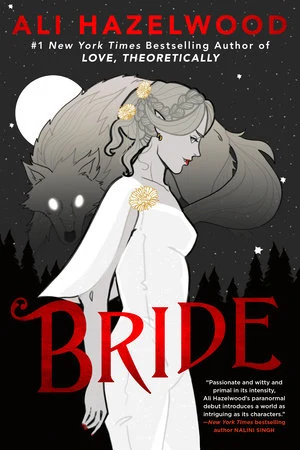
Authentic published cover of one starter selection; not a claim about every book in the guide.
Updated 8 October 2026 · Eikna Editorial Team
Choose what makes trust difficult
Setup
What drives it
What to check
Enemy communities
Groups expect suspicion or oppose an alliance
Whether the leads themselves share that hostility
Personal supernatural enemies
The lovers have an individual reason to oppose each other
Direct evidence of the relationship’s starting conflict
Reluctant allies
Survival or a practical task requires cooperation
A tense alliance need not begin with personal hatred
Secondary-world vampire fantasy
An invented kingdom and contest organize the story
An adjacent reading path, not automatically contemporary paranormal
Narrow the reading experience
Separate inherited conflict from personal dislike
Supernatural groups can have a history of war while two individuals approach one another with curiosity, suspicion or a private purpose. Readers seeking sustained hostility should not assume that the group history supplies it. Ali Hazelwood’s Bride description confirms enemy Vampyre and Were communities and Lowe’s distrust of Misery. Our existing assessment keeps the narrower reading fit: political marriage and developing trust, rather than a promise that the lovers spend the book trying to destroy each other.
Ask what the supernatural identity changes
Vampires, werewolves and other beings can bring different physical needs, social expectations or powers into a relationship. Those details are useful when they affect the actual choice to trust another person. They do not by themselves establish a fated-mate bond, a heat level or an absence of consent concerns. Check the particular book rather than borrowing rules from another author’s world. A supernatural label is a starting shelf, not a complete description of the relationship.
Keep contemporary paranormal and vampire fantasy visible
A vampire novel can belong to an invented-world fantasy rather than a recognizable contemporary setting. The Serpent and the Wings of Night is explicitly presented by its publisher as epic fantasy romance, with a lethal tournament and a vampire kingdom. It belongs below as a comparison for readers attracted to dangerous supernatural alliances. Its separate label prevents the presence of vampires from silently redefining this guide’s paranormal starter collection or duplicating the broader fantasy page’s purpose.
Check danger and volume endings independently
A suspicious courtship may sit beside sexual content, violence or family control. The existing Bride assessment discusses reported explicit material; the Serpent assessment points to author content guidance and a reported cliffhanger. Use those book-specific records instead of assuming that creature type predicts intensity. This guide adds no new numerical heat score, happy-ending guarantee or comprehensive warning list. An incomplete ending assessment remains incomplete even when the source calls the work a romance.
Starting points and their evidence
Bride
Ali Hazelwood
Misery marries Were Alpha Lowe as part of a peacekeeping agreement between enemy supernatural communities. The author confirms his distrust and her private reason for entering the arrangement; this is community opposition, not proof of sustained personal hatred.
Before choosing: Use the existing review for reported explicit content and concerns about protective decision-making. No new heat score or fully resolved ending classification is assigned.
Author or publisher premise source · checked 8 October 2026
Adjacent vampire fantasy · not a strict contemporary paranormal selection
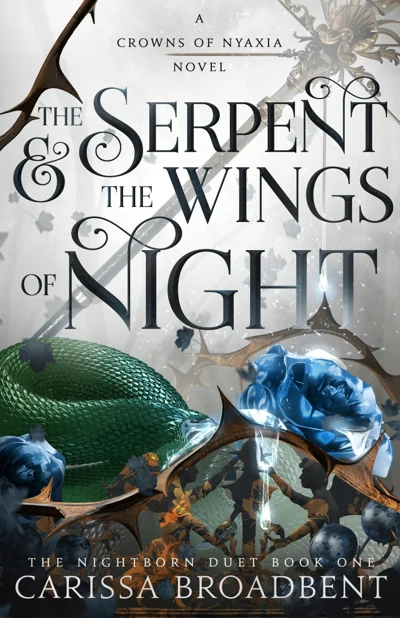
Human Oraya allies with vampire rival Raihn during a deadly tournament. The publisher names him as an enemy of her father’s crown. This is an adjacent epic-fantasy example of competition and political opposition, not a strict contemporary paranormal starter.
Before choosing: The opening book is part of the Nightborn Duet. Our existing review reports a cliffhanger and a critical reading of the pair as wary allies; check the author’s content guidance.
Author or publisher premise source · checked 8 October 2026
Does belonging to enemy species make the lovers personal enemies?
No. It confirms a group conflict. A claim of personal hatred needs evidence about the leads’ own intentions and conduct. Bride’s inclusion is specifically a community-hostility and distrust example.
Why include a vampire fantasy comparison?
It helps readers decide whether they want a contemporary supernatural community or an invented-world competition. The Serpent and the Wings of Night is labeled adjacent and excluded from the strict paranormal starter count.
Does an alpha or supernatural bond settle the consent question?
No. A role or world rule cannot substitute for checking the characters’ choices. Read the book-specific content guidance and the existing relationship assessment before choosing.