Historical Fake Dating Romance: Courtship, Reputation and Social Audiences
Historical fake dating romance gives a couple a reason to present a courtship, attachment or engagement that is not yet their private romantic agreement. The audience might be prospective spouses, family or a social circle. Choose what the performance is intended to change before assuming that a fake beau, a pretend fiancé and an actual husband involve the same commitment.
The Duke and I supplies one publisher-confirmed fake-courtship example: Daphne wants better marriage prospects and Simon wants fewer pursuers. It is a fit example with a substantial limitation, not an uncomplicated comfort recommendation. The existing critical assessment flags sexual assault and reproductive coercion, which readers should consider before choosing it. This guide is an incomplete starter collection.
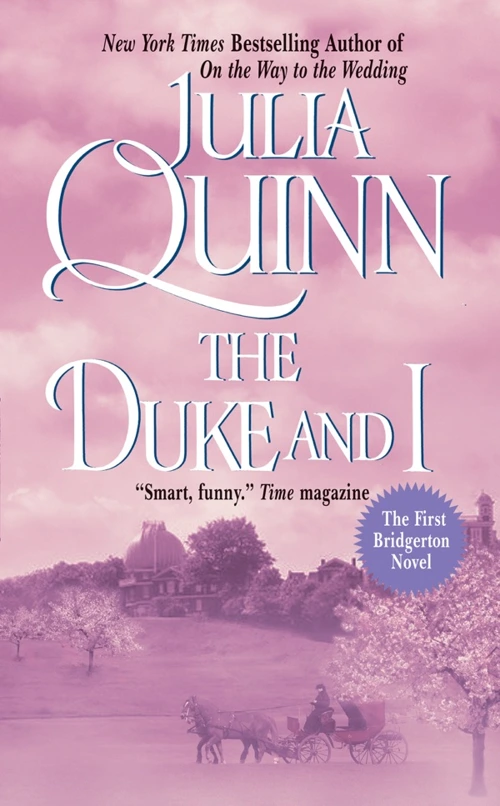
Authentic published cover of one starter selection; not a claim about every book in the guide.
Updated 8 October 2026 · Eikna Editorial Team
Compare the purpose, audience and commitment
Setup
What drives it
What to check
Fake courtship
A public attachment changes how society sees the participants
Who is meant to believe the relationship
Improved prospects
Association with one partner attracts other interest
The intended outcome may be another match
Deterring pursuers
An apparent attachment discourages unwanted courtship
Public expectations can outlast the agreement
Actual marriage
A legal commitment serves a practical reason
A separate premise from pretending to court
Narrow the reading experience
Read courtship language as part of the period setting
A historical description may call the performed relationship a courtship or an attachment rather than dating. The useful question is still whether the couple agrees to appear romantically involved for a practical purpose. Hachette explicitly calls Daphne and Simon’s arrangement a fake courtship. That supplies the fit evidence for this starter. A title, dance or public introduction alone would not establish the trope; the source needs to identify the agreement or explain why the romantic presentation is being performed.
Compare the two audiences and desired outcomes
A performed courtship can help one person attract prospective spouses while helping another avoid them. The Duke and I’s publisher describes that difference directly. Readers interested in social manoeuvring can consider how an apparently shared public story serves different private goals. Those motives do not establish that both partners intend a wedding or have agreed to the same future. Any change from performance to real commitment needs its own evidence rather than being supplied by the trope label.
Separate pretending to court from marrying for a purpose
A fake relationship tells an audience a romantic story; marriage of convenience concerns an actual marriage entered for practical reasons. A novel can move between those situations, but that movement does not make them interchangeable. Readers wanting a temporary performance should check the individual premise and assessment for the kind of obligation that follows. This guide focuses on the performed-courtship starting point, while the historical marriage guide explores heir pressure, bargaining and a different form of commitment.
Check consent and content beyond the amusing setup
Social comedy in a synopsis does not establish that the whole romance is light or that later intimacy is consensual. The existing Duke and I assessment specifically retains criticism of sexual assault and reproductive coercion. These are central reasons some readers may avoid the book, not minor qualifications to a joke about matchmaking. The guide uses the book to explain a verified setup while preserving that critical limitation. It adds no new rating and does not imply that a period setting excuses a violation.
Starting points and their evidence
These are small starter examples, not a completed or ranked recommendation list. Reviewed selections link to existing evidence-based editorial assessments. Other examples are identified as researched premises or pending research leads; they have no new rating or claim of first-hand reading.
Purchases through Amazon, Bookshop.org and Libro.fm links may earn us a commission. As an Amazon Associate, Eikna Romance earns from qualifying purchases, at no extra cost to you.
The Duke and I
Julia Quinn
Confirmed premise example
Daphne and Simon agree to a fake courtship: association with the duke is meant to improve her prospects while deterring women seeking to marry him.
Before choosing: Bridgertons book one. The existing critical assessment flags sexual assault and reproductive coercion and questions the reckoning with that harm. This is a premise-fit example with a substantial avoid-if warning.
Author or publisher premise source · checked 8 October 2026
Edition buttons become available when the specific format and destination are checked. Amazon opens a title-and-author search; choose your edition there.
Questions that change the reading choice
Is a pretend fiancé always a real spouse?
No. A performed engagement makes a claim to an audience; marriage creates an actual commitment. A book may involve both, but the source needs to establish each stage.
Does historical fake dating always mean Regency society?
No. Courtship performance can appear in different historical settings. The Duke and I is one example, not evidence that every era or community follows its social rules.
Is The Duke and I a safe choice for readers avoiding sexual assault?
The existing assessment flags sexual assault and reproductive coercion. Readers avoiding those topics should use that warning when choosing; the playful publisher premise does not cancel it.