Sapphic Forbidden Love: Secrecy, Loyalty and the Freedom to Choose
Sapphic forbidden love follows a relationship that carries a cost beyond the partners’ private doubts. The pressure might come from a family connection, professional duty, political loyalty or a hostile social setting. Start with what makes choosing each other difficult, then decide how much secrecy and conflict you want. A sapphic relationship does not automatically mean a story contains prejudice, a forbidden romance or a tragic ending.
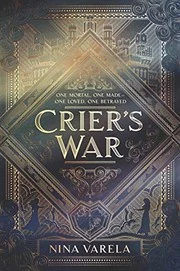
Crier’s War is the current reviewed starter: two girls on different sides of an oppressive fantasy order, with revenge and a political betrothal complicating their growing connection. Nina Varela’s official page establishes the pairing and setup; Tara Sim’s credited endorsement there names forbidden romance. This YA fantasy example opens one path through the topic. It does not represent a complete adult sapphic romance list, and its relationship develops across a duology.
Authentic published cover of one starter selection; not a claim about every book in the guide.
Updated 9 October 2026 · Eikna Editorial Team
Which kind of pressure do you want to read about?
Setup
What drives it
What to check
Family or social ties
A relationship changes loyalties within an existing circle.
Whose expectations matter and what disclosure could change.
Professional boundaries
A role gives one partner authority or responsibility.
Specific adult-age, power and consent context.
Political division
Choosing a partner conflicts with a faction or cause.
The consequences for each person rather than danger in general.
A hostile social setting
The surrounding world opposes the relationship.
Book-specific evidence of prejudice and the emotional burden.
Narrow the reading experience
Find out what is actually forbidden
A sapphic label identifies a relationship or representation route, not the reason a couple faces opposition. Some stories place queer relationships in accepting worlds while making a particular bond difficult through politics or existing obligations. Others confront discrimination directly. Those experiences can feel very different to read. Ask who objects and what influence they hold before choosing. This guide’s starter has clear political barriers; it does not need an invented claim about anti-queer law to explain its inclusion.
Decide how you want secrecy to affect the relationship
Secret meetings may supply anticipation, but concealment can also produce isolation, uneven risk or disagreement about when to tell other people. Consider whether you want the pleasure of private intimacy, the strain of keeping a relationship hidden or a story about eventually living openly. Those are reader preferences, not assumed events in the starter. A refusal to disclose feelings is different from an outside prohibition. Look for the practical reason secrecy matters rather than accepting reluctance alone as evidence of forbidden love.
Pay attention to who has room to choose
A family tie, employment relationship or political hierarchy can leave the partners with very different options. Attraction does not remove that imbalance. Ask whether both people can disagree, pursue their own priorities and understand the consequences of commitment. In Crier’s War, a human servant and the sovereign’s Made daughter occupy unequal positions. The existing assessment preserves differing responses to their romantic development. That helps readers consider the transition into trust instead of treating the premise’s tension as proof that the relationship works for everyone.
Separate the love story from its audience and ending
Readers seeking an adult genre romance with a resolved relationship in one volume may want a different route from readers happy to follow a developing bond through fantasy conflict. The current starter is YA fantasy and the first half of a duology. Its existing assessment discusses yearning and contrasting voices alongside reservations about pacing and worldbuilding. No new heat or ending classification is assigned. Choose the amount of wider plot you enjoy and check closure at the volume level; a sapphic pairing or forbidden-love label cannot settle those questions.
Starting points and their evidence
These are small starter examples, not a completed or ranked recommendation list. Reviewed selections link to existing evidence-based editorial assessments. Other examples are identified as researched premises or pending research leads; they have no new rating or claim of first-hand reading.
Purchases through Amazon, Bookshop.org and Libro.fm links may earn us a commission. As an Amazon Associate, Eikna Romance earns from qualifying purchases, at no extra cost to you.
Crier’s War
Nina Varela
Forbidden-romance classification attributed to a credited promotional endorsement
Ayla is a human servant seeking revenge against the sovereign’s family; Crier is his Made daughter with a political betrothal. Varela’s premise places their growing connection inside human unrest and ruling power. Tara Sim’s promotional endorsement on the same page explicitly identifies forbidden romance.
Before choosing: Choose this for YA fantasy where political division and revenge complicate a developing bond. The existing assessment records differing views of the romance and worldbuilding. Plan for a duology rather than assuming standalone relationship closure.
Author or publisher premise source · checked 9 October 2026
https://www.ninavarela.com/crierswar
Explicit trope attribution: Tara Sim endorsement on the author page: https://www.ninavarela.com/crierswar
Edition buttons become available when the specific format and destination are checked. Amazon opens a title-and-author search; choose your edition there.
Questions that change the reading choice
Does sapphic forbidden love always involve homophobia?
No. A political divide, duty or family complication can oppose a particular relationship independently of the partners’ genders. Check the individual world and premise rather than assuming the source of conflict.
What makes Crier’s War a suitable starter?
The author premise explicitly describes love between two girls and the political circumstances around them. The forbidden-romance label comes from Tara Sim’s attributed endorsement on that page. Both sources are identified; neither creates a new canonical classification.
Are age-gap or workplace romances automatically forbidden?
No. An age difference or shared workplace does not establish an outside barrier. Specific roles, obligations and consequences need evidence, and adult ages and authority should be checked separately.
Can I expect a standalone adult romance from this starter?
No. Crier’s War is YA fantasy and book one of a duology. The existing assessment distinguishes the interrupted first volume from closure discussed for the second. Use its review for the evidence and limitations before selecting it.