Historical Slow Burn: Intellectual Attraction, Class Pressure and Gradual Trust
Historical slow burn lets attraction grow through repeated encounters, changing judgments and decisions that take time to make. You might want a courtship shaped by public expectations, a friendship that becomes more intimate, or an early spark that does not immediately become trust. Start with the kind of change you want to watch. A past setting can give the couple specific pressures, but it does not guarantee gradual romance or explain why the wait will feel satisfying.
Bringing Down the Duke is the current existing reviewed starter. Evie Dunmore’s official premise places Annabelle Archer and Sebastian Devereux in England in 1879, with women’s suffrage and unequal social standing complicating their attraction. Caz Owens’s All About Romance review explicitly identifies a slow-burn relationship and intellectual flirtation. This guide builds on that attributed evidence; it is a focused starter collection rather than a complete historical list, and adds no review or rating.
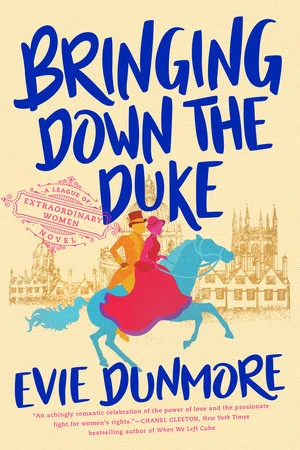
Authentic published cover of one starter selection; not a claim about every book in the guide.
Updated 9 October 2026 · Eikna Editorial Team
What do you want the couple to build before commitment?
Setup
What drives it
What to check
Intellectual attraction
Conversation reveals how the partners think.
Whether their disagreement changes as they listen.
Trust across unequal standing
The relationship develops while practical power differs.
Who can refuse an offer and what the choice costs.
An evolving courtship
Repeated meetings change the couple’s understanding.
Progress between encounters rather than repeated hesitation.
A bond already underway
Marriage or physical intimacy may precede emotional security.
Whether the slow part is affection, trust or physical contact.
Narrow the reading experience
Choose sparks that grow into understanding
A slow burn can begin with immediate attraction. The gradual part may be learning whether the other person listens, respects a goal or can be trusted with something private. Readers who want no early attraction have a different preference from readers who enjoy early chemistry followed by careful commitment. In the starter’s existing assessment, intellectual flirtation is an identified strength. That tells you more about the reading experience than a generic promise of glances across a ballroom, which may not describe the actual book.
Look at what the delay allows each person to decide
An extended courtship can give the couple room to negotiate a future, but waiting alone does not make an unequal relationship more considerate. Ask what each person is able to choose and what would happen if they refused. Financial need, status and personal ambition can make the same proposal mean different things to the partners. The existing starter assessment preserves reservations about agency and boundaries alongside favorable relationship responses. Use those differences to choose rather than assuming a patient romance automatically resolves the power imbalance.
Decide how much wider history you want alongside romance
Some historical romances use their setting mainly to shape private choices; others spend more time on politics, education or a shared cause. Dunmore’s official premise connects Annabelle’s scholarship to suffrage work, making that wider context part of the selection’s appeal. Consider whether you enjoy a romance developing alongside those commitments or want a more concentrated focus on the pair. A novel’s setting and praise for historical immersion do not verify every historical detail; this guide supplies reading context, not an accuracy certification.
Check whether the wait stays rewarding for you
Repeated obstacles may heighten yearning for one reader and slow the momentum for another. Look for changes in what the partners know, what they want and what they are willing to risk. The existing assessment records that contrast rather than reducing pacing to a universal verdict. Also separate one couple’s development from the continuity of a linked series: returning friends and settings do not mean the same relationship remains unresolved throughout. No precise first-kiss location, numerical heat or formal ending is assigned from a slow-burn label.
Starting points and their evidence
These are small starter examples, not a completed or ranked recommendation list. Reviewed selections link to existing evidence-based editorial assessments. Other examples are identified as researched premises or pending research leads; they have no new rating or claim of first-hand reading.
Purchases through Amazon, Bookshop.org and Libro.fm links may earn us a commission. As an Amazon Associate, Eikna Romance earns from qualifying purchases, at no extra cost to you.
Bringing Down the Duke
Evie Dunmore
Slow-burn classification attributed to identified independent criticism
Annabelle’s suffrage work brings her into conflict with influential duke Sebastian in the author’s 1879 premise. Caz Owens identifies slow-burn romance and intellectual flirtation in the finished novel. The guide includes it for that attributed account of gradually developing connection under social pressure.
Before choosing: Choose this starter if political commitments and conversation interest you alongside attraction. The existing assessment compares favorable chemistry and historical-immersion responses with reservations about repetition, agency and boundaries. Sexual content is reported; numerical heat and ending satisfaction remain unassigned.
Identified critical source · checked 9 October 2026
Edition buttons become available when the specific format and destination are checked. Check the selected format before buying.
Questions that change the reading choice
Is historical slow burn always closed door?
No. Relationship pacing and sexual explicitness are separate. The existing starter assessment flags sexual content but does not assign a numerical heat score. Gradual development should not be read as evidence of low heat.
Who supplies the starter’s slow-burn classification?
Caz Owens’s All About Romance review explicitly identifies slow-burn development. The author’s official premise confirms the setting, characters and social pressures. This guide keeps the critical pacing judgment separate from those premise facts.
Does slow burn mean the characters dislike each other?
No. They may be attracted early, become friends first or struggle to trust despite affection. In the starter, opposing goals and unequal standing complicate attraction; enemies-to-lovers and slow-burn describe different aspects of a relationship.
Does one series label tell me where the romance resolves?
No. The author identifies this as the first A League of Extraordinary Women novel. Series position does not prove the timing or type of relationship closure. The existing assessment’s ending satisfaction remains unscored; check specific continuation guidance when choosing.