Sapphic enemies-to-lovers romance begins with women who have a reason to avoid, distrust or strongly dislike one another, then asks what could make a relationship possible. The starting conflict may come from a recent humiliation, competing interests or an old friendship that ended badly.
Choose the mechanism and its safety limits first. Ten direct assessments now range from school and sports rivalry to assassins, captor/captive dark romance and post-apocalyptic factional conflict. The guide does not treat light rivalry, lethal danger and abuse as interchangeable experiences.
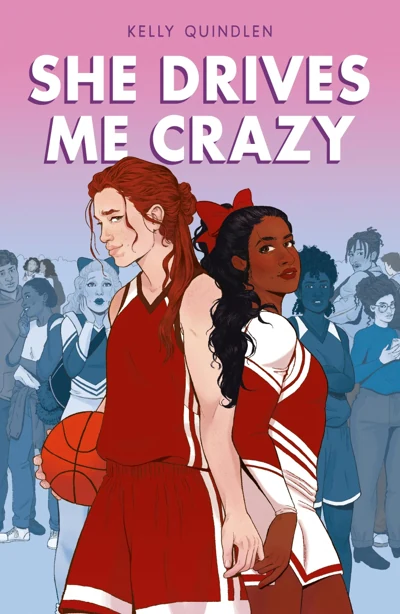
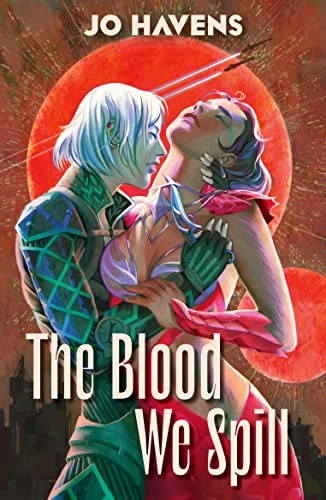
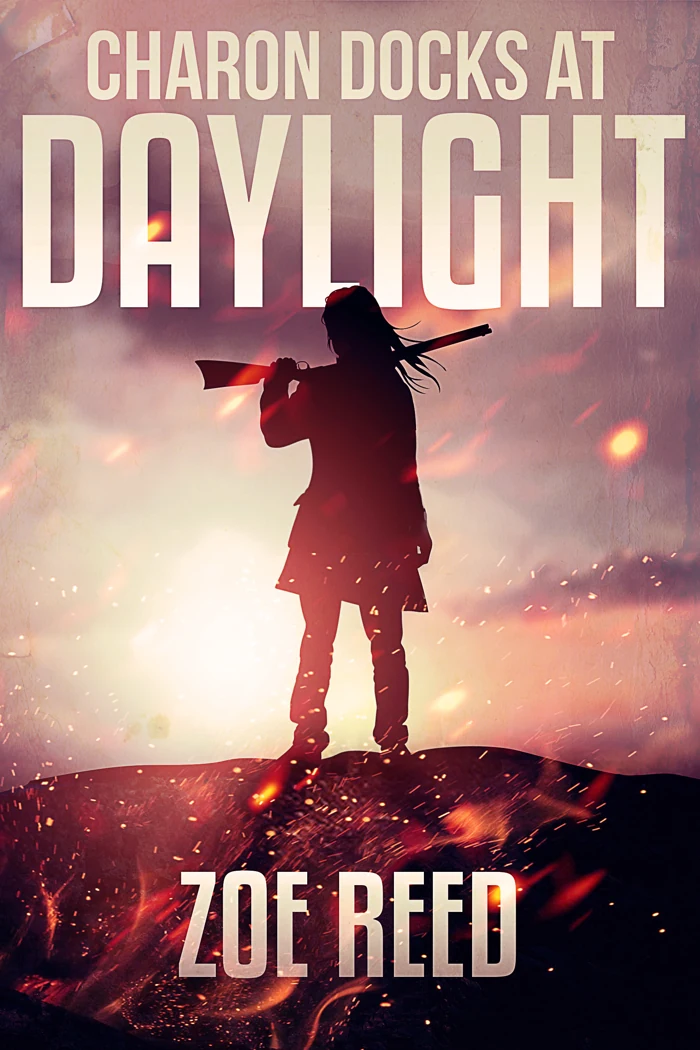
Authentic published cover of one starter selection; not a claim about every book in the guide.
Updated 8 October 2026 · Eikna Editorial Team
Ten direct reviewed choices now complete the strict sapphic enemies-to-lovers gate. The guide separates rivalry, broken friendship, factional hostility, assassin-versus-target danger, captivity and survival conflict; personality contrast alone stays excluded.
Choose the history behind the hostility
Setup
What drives it
What to check
Newer personal dislike
Recent encounters give the leads a reason to keep their distance
What caused the dislike and how they treat each other
Former friends
Shared memories sit behind the present antagonism
Whether repair requires facing an actual past hurt
Fake dating
A public arrangement keeps opponents in contact
Who agrees to it, why and on what terms
A shared responsibility
The couple must cooperate for someone else
Whether grief or care is central to the story
Narrow the reading experience
Start with the reason for the dislike
An outgoing character and a guarded one are not automatically enemies. Nor does disagreeing about taste establish a rivalry. Look for a concrete cause of antagonism and decide whether you want that cause to remain consequential. The publisher of She Drives Me Crazy explicitly identifies high-school nemeses; Cochrun describes an incident that turned childhood friends into bitter rivals. These support inclusion without relying on an ice-queen label, cover art or a broad marketing shelf.
Decide how much shared history you want
A new attraction between people who dislike each other may focus on discovering who the other person really is. Former friends also carry memories of who they used to be. Readers drawn to repair can ask what changed and what remains unresolved, rather than assuming a shared childhood guarantees compatibility. Here We Go Again begins with a broken friendship; that is not evidence that the leads were already a romantic couple. Friendship history and second-chance romantic history are separate claims.
Keep the audience distinction useful
She Drives Me Crazy is explicitly YA and centers school life. Here We Go Again follows adults in their thirties who work as teachers. Those details help readers choose a life stage, but they do not by themselves determine sexual content, emotional complexity or suitability for a particular teenager. Check the book-specific assessment rather than inferring closed-door content from a YA label. This guide supplies no blanket age recommendation and assigns no new heat score.
Choose the emotional circumstances as well as the trope
A road trip can offer enforced closeness while carrying a difficult reason for the journey. Cochrun directly identifies a mentor’s cancer death and grief as central to Here We Go Again, alongside humor. Readers seeking an escape from illness or bereavement should weigh that before choosing a familiar-sounding antagonistic romance. The author also lists sexual content and other notes. The guide points to that specific guidance without claiming that its short caution replaces a complete content assessment.
Starting points and their evidence
She Drives Me Crazy
Kelly Quindlen
Confirmed premise example
Scottie and Irene are high-school nemeses forced to carpool after a collision. Scottie then pays Irene to take part in a fake-dating scheme linked to her ex, giving their antagonism a specific arrangement rather than merely opposite personalities.
Before choosing: YA fiction. The existing review discusses both the later banter and criticism of early treatment and boundaries; the audience label does not guarantee a heat level.
Author or publisher premise source · checked 8 October 2026
Logan and Rosemary were childhood friends before an incident made them bitter rivals. As teachers in their thirties, they take their dying former mentor on a cross-country road trip, placing old resentment beside a shared responsibility.
Before choosing: The author confirms on-page cancer death, grief and sexual content. This is an adult former-friend reunion, not evidence of a previous romantic relationship.
Author or publisher premise source · checked 8 October 2026
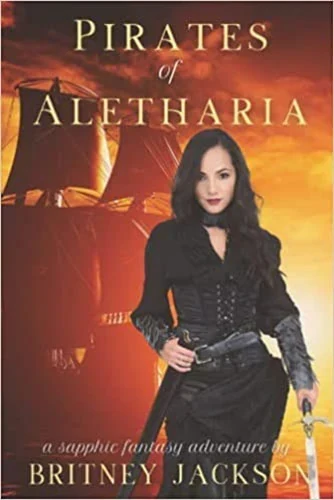
Direct enemy mechanism: An abducted princess and pirate captain share a ship; captivity power and political hostility remain explicit
Princess Reyna is taken aboard Kianthe's ship after the pirate captain targets the royal family. A dangerous voyage keeps captor and captive in repeated contact while distrust, political grievance and attraction make every exchange unstable. Best for readers seeking F/F pirate fantasy, captor/captive tension, dragons, political grievance and a long adventure. Avoid if abduction, captivity, violence, uneven power or cliffhanger-like series continuation are poor fits.
Review evidence · checked 13 October 2026
Exact-work copy identifies Princess Reyna, pirate captain Kianthe, an abduction, a shipboard quest and a relationship moving from animosity toward passion.
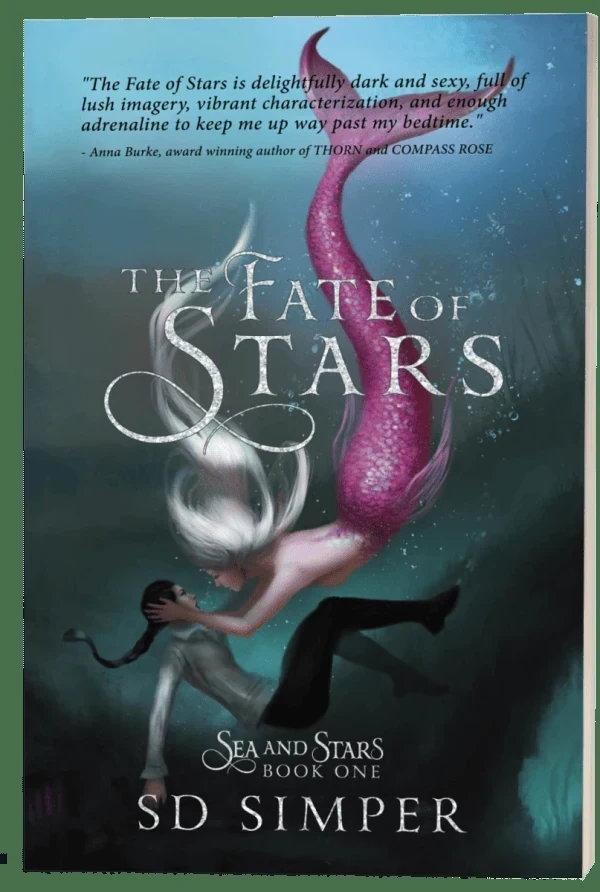
Direct enemy mechanism: A captive mermaid must ally with a princess tied to the empire she considers an enemy
Tallora is taken from the sea and held inside an empire that treats her as a possession. Escape unexpectedly depends on Dauriel, a princess aligned with the power Tallora hates, and their uneasy alliance makes attraction politically and personally dangerous. Best for readers seeking F/F mermaids, forbidden alliance, hostile kingdoms and slow trust across political lines. Avoid if captivity, imperial violence, morally gray decisions or a non-contained first-volume resolution are poor fits.
Review evidence · checked 13 October 2026
Official copy identifies Tallora's captivity, Princess Dauriel as her sworn enemy and an uneasy alliance that develops into forbidden feelings.
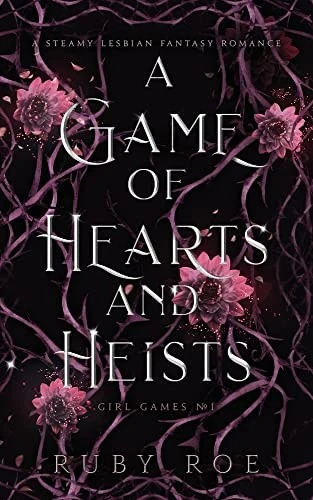
Direct enemy mechanism: Rival assassins with a history of betrayal must cooperate on one dangerous heist
Assassins Scarlett and Quinn have professional rivalry, personal injury and mutual distrust between them when a dangerous heist requires cooperation. Working toward the same target does not remove the possibility that either woman will choose revenge over partnership. Best for readers seeking F/F rival assassins, fantasy heists, betrayal, banter and high physical chemistry. Avoid if violence, repetitive interiority, rapid trust shifts or very explicit romance are poor fits.
Review evidence · checked 13 October 2026
Exact copy identifies rival assassins Scarlett and Quinn, a history of betrayal and a forced joint heist; Atlas Black Publishing, 342 pages and ISBN 9781913236700.
Direct enemy mechanism: A state assassin is sent to kill the witness who saw her execution
Cie is a state assassin ordered to kill Jemma after the younger woman witnesses an execution. Jemma should be a liability; instead, protecting and knowing her threatens the role, regime and emotional distance on which Cie's survival depends. Best for readers seeking F/F dystopian politics, assassin-versus-witness opposition, morally compromised characters and a very long relationship arc. Avoid if state violence, abuse, sexual violence, trafficking, cheating or turbulent attachment are hard limits.
Review evidence · checked 13 October 2026
Official copy identifies Cie as an assassin sent to kill witness Jemma and centers the relationship that grows while state violence closes around them.
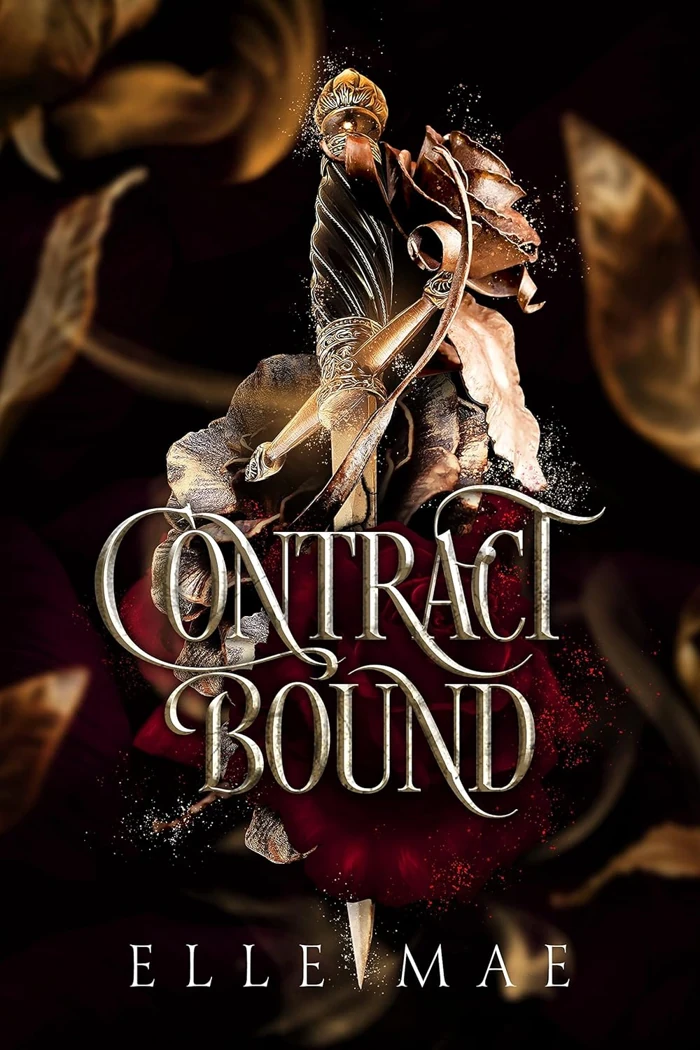
Direct enemy mechanism: A vampire hunter must guard a vampire heir around the clock despite mutual factional hatred
Silvia has been trained to kill vampires, yet a binding assignment requires her to guard Keir, heir to the vampire throne, at all hours. Keir hates hunters, Silvia distrusts vampires, and institutional loyalties make cooperation dangerous before attraction makes it worse. Best for readers seeking F/F vampires, hunter/heir opposition, bodyguard proximity, blood play and high explicitness. Avoid if dubious consent, nonconsensual biting, sexual assault material, torture, self-harm or rapid physical escalation are hard limits.
Review evidence · checked 13 October 2026
Official copy identifies vampire hunter Silvia, vampire heir Keir, mutual hatred and a contract requiring Silvia to guard Keir twenty-four hours a day.
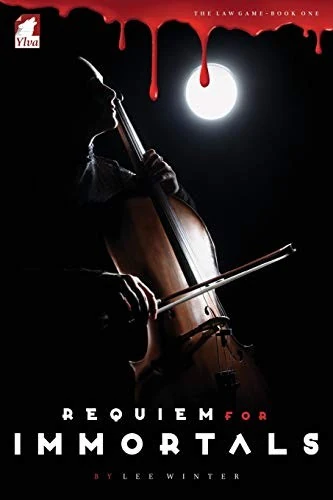
Direct enemy mechanism: An assassin is hired to kill the woman who becomes her emotional weakness
Natalya Tsvetnenko is both an elite cellist and the underworld assassin called Requiem. A contract makes seemingly ordinary Alison her next target, but surveillance and contact produce questions that professional detachment cannot answer. Best for readers seeking F/F crime suspense, an ice-cold antihero, assassin-and-target opposition and a romance built inside an investigation. Avoid if murder, surveillance, deception or a thriller-forward structure are poor fits.
Review evidence · checked 13 October 2026
Publisher calls the book a lesbian enemies-to-lovers thriller and identifies cellist-assassin Natalya as hired to kill Alison.
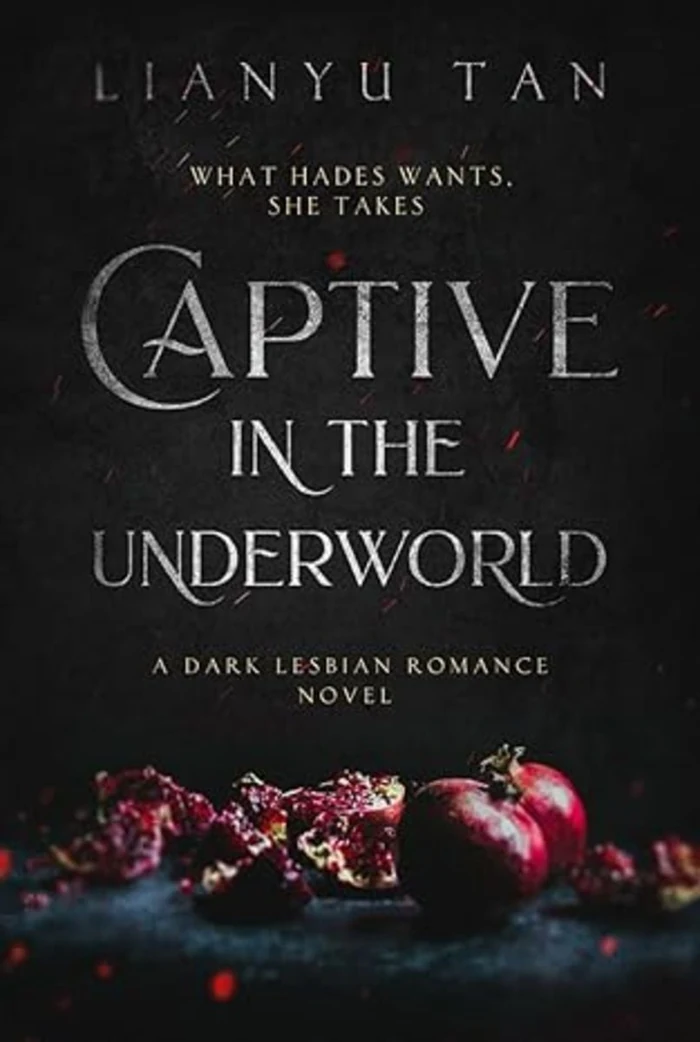
Direct enemy mechanism: Hades abducts Persephone and denies her freedom; the author explicitly identifies rape and abuse
Hades takes Persephone into the underworld and refuses her freedom. The spring goddess's fear, resistance and survival unfold inside a relationship the author explicitly labels abusive, with sexual violence and coercion built into the retelling. Best for informed adult dark-romance readers seeking mythic F/F captivity, a ruthless female Hades and explicit coercive material. Avoid if rape, dub-con, kidnapping, abusive relationships, gore or suicidal ideation are unsafe or unwanted.
Review evidence · checked 13 October 2026
Author identifies a dark lesbian Hades/Persephone retelling in which Hades abducts Persephone, ignores pleas for freedom and intends to keep her.
Direct enemy mechanism: Former friends meet in opposed survivor factions, with family deaths making the conflict personal
Six years after an infection overturns ordinary life, Genevieve and Echo meet again as members of opposed survivor groups. Their teenage friendship cannot bridge present violence, especially when Echo carries responsibility connected to Genevieve's family losses. Best for readers seeking a free long-form sapphic web novel, former friends on enemy factions, zombies, survival ethics and a very slow romantic arc. Avoid if 1,000-plus-page scale, multi-POV structure, graphic violence or representation concerns are poor fits.
Review evidence · checked 13 October 2026
Author-posted web novel identifies a daylight-hunting infection, nocturnal survivors and conflict among human factions; the work is complete and free online.
Does sapphic mean every lead has the same identity?
No. Sapphic is a broad discovery term. It does not establish a particular sexual-orientation label for every character; use the individual book’s evidence rather than assigning one from the pairing.
Is an ice queen automatically an enemy?
No. A guarded demeanor is a character trait. An enemies-to-lovers claim needs a reason for antagonism between the people involved.
Are both starters light school romances?
No. One is YA; the other follows adult teachers and a dying mentor. The grief context is directly stated by the author and remains visible in the selection note.