A supernatural power does not automatically make a romance dark, and frightening surroundings do not necessarily mean the partners mistreat each other. Start by locating the danger: inside the romantic bond, in what a lover will do to everyone else, or in the world threatening the couple.
This bounded guide uses Heart of Obsidian as an explicitly dark paranormal love story, The Magpie Lord and Blue Billings as different occult-horror comparisons, and Master of Crows as adjacent secondary-world dark fantasy. These are not four interchangeable abusive-partner romances. They reuse existing assessments and named criticism, with original reader-fit guidance and no new ratings, calibrated heat scale or universal ending promise.
AI-generated editorial artwork of fictional adults; not a scene, character likeness or official jacket from any listed book. The pictured pairing does not classify the books below.
Eikna Editorial Team · Updated 18 October 2026
Researched editorial synthesis, not firsthand reading. Existing Eikna overall scores are reused unchanged. Gothic atmosphere, supernatural evidence, current study and ending scope are separate from quality scores.
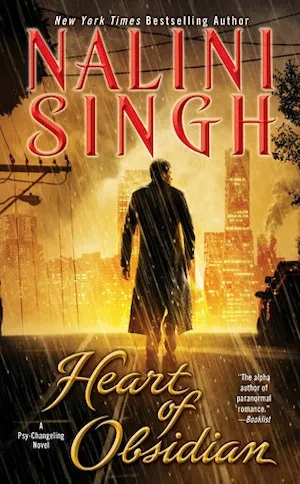
Powerful Psy Kaleb Krychek rescues Sahara Kyriakus from captivity; their shared history and her damaged memories shape an intensely exclusive attachment.
Explicit dark paranormal love story: Direct gate: PRH explicitly presents a dark love story in its paranormal/fantasy-romance setting; critics identify psychic powers, captivity, unequal power and troubling devotion. Membership is not inferred from telepathy alone.
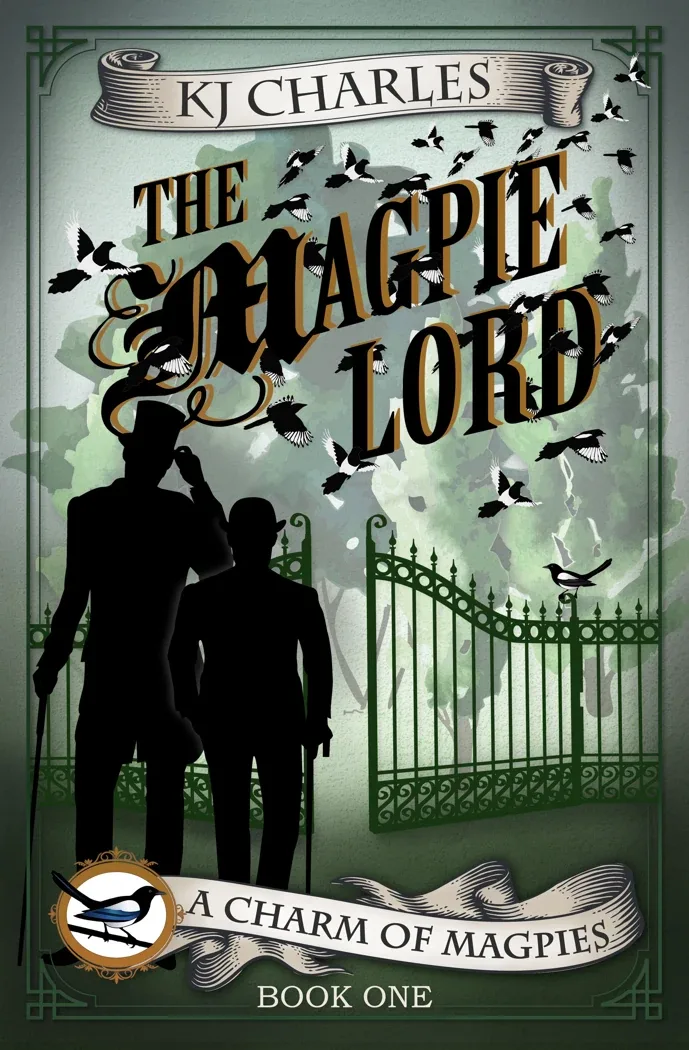
Lord Crane returns to England under a supernatural threat; magician Stephen Day must help despite his reasons to hate Crane’s family.
Occult-horror and consent comparison: OCCULT-HORROR COMPARISON: explicit supernatural threats and severe author-listed content establish the relevant danger. This is not an assertion that every couple interaction matches one modern dark-romance definition.
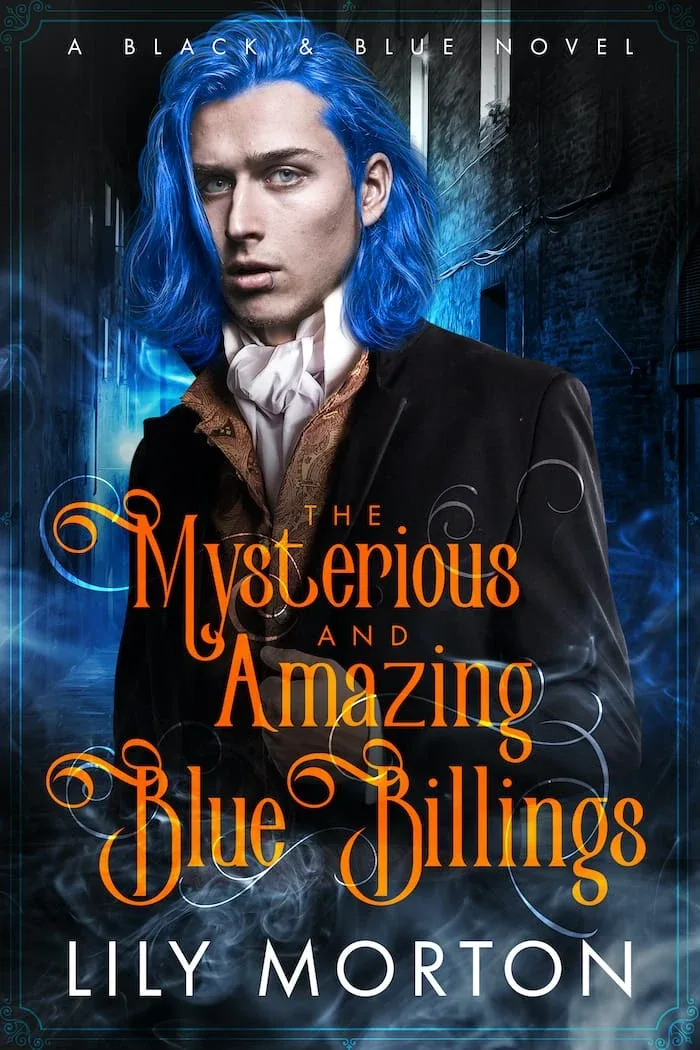
Levi’s inherited York house turns frightening; ghost-tour guide and psychic Blue helps him investigate while their friendship grows intimate.
Haunting versus tender partnership comparison: HORROR-WITH-TENDERNESS COMPARISON: actual hauntings and gruesome-history reports are supported; the kind developing relationship is precisely why this should not be treated as an interchangeable abusive-partner recommendation.
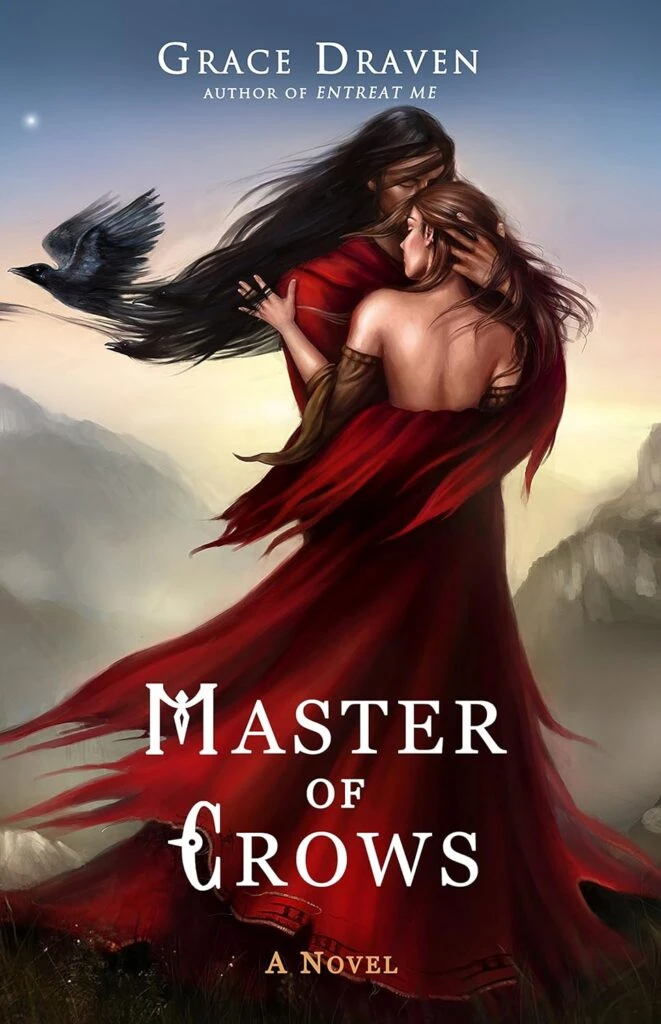
Enslaved Martise is sent to spy on renegade mage Silhara while he resists possession by the god Corruption.
Adjacent secondary-world dark fantasy: ADJACENT, NOT A DIRECT PARANORMAL STARTER: the author and critics establish dark secondary-world fantasy, a spy/target conflict and threatened possession. Genre proximity does not erase the setting distinction.
Supported choices and labelled comparisons
Direct matches, comparisons and adjacent titles are labelled separately. These bounded guides are not comprehensive catalogues or an audience consensus. Purchases through Amazon, Bookshop.org and Libro.fm links may earn us a commission, at no extra cost to you. As an Amazon Associate, Eikna Romance earns from qualifying purchases.
Heart of Obsidian
Nalini Singh
Explicit dark paranormal love story
Powerful Psy Kaleb Krychek rescues Sahara Kyriakus from captivity; their shared history and her damaged memories shape an intensely exclusive attachment.
Choose it for: Choose this if exclusive devotion is appealing but you want its moral cost kept visible. Kaleb’s attention to Sahara does not settle the question of what he may do to others. This is the most direct match here for a dark paranormal love story, and also the least useful casual starting point for a newcomer to its long-running world.
Direct gate: PRH explicitly presents a dark love story in its paranormal/fantasy-romance setting; critics identify psychic powers, captivity, unequal power and troubling devotion. Membership is not inferred from telepathy alone.
Named reading evidence: Maggie Boyd describes focused devotion and psychic powers, while questioning rapid recovery and uneven power. The publisher explicitly frames the love story as dark.
Trade-offs and differing reactions: Janine finds the romance compelling but disputes the moral absolution of a man contemplating mass destruction. His tenderness toward Sahara does not settle what he is willing to do to other people.
Before choosing: Captivity, torture, memory harm, unequal power and threatened mass violence require attention. Recovery is not presented here as a universal model; private devotion and public ethics are separate reader questions.
Ending and series limit: Psy-Changeling book twelve, with substantial prior-series connections and identity revelations. Not offered as a spoiler-free beginner’s entry or a completed-series guarantee; canonical ending fields stay unchanged.
See the evidence behind this choice
Current premise and specific gates checked 18 October 2026. Some additional criticism is retained from source packs dated 5, 6, 11, 12 or 13 October; those original dates are not relabelled as new reading. A podcast landing page is not a transcript or a listening claim. Canonical unknowns remain separate.
Lord Crane returns to England under a supernatural threat; magician Stephen Day must help despite his reasons to hate Crane’s family.
Choose it for: Choose this comparison for magical investigation, inherited hostility and desire under pressure. The author’s warnings give darkness a concrete basis beyond the mere existence of magic. Do not assume the whole romantic dynamic is coercive just because the surrounding horror is severe; check the specific consent and power notes.
OCCULT-HORROR COMPARISON: explicit supernatural threats and severe author-listed content establish the relevant danger. This is not an assertion that every couple interaction matches one modern dark-romance definition.
Named reading evidence: Lisa at The Novel Approach reads the book as Gothic horror, magical mystery and romance, praising compact plotting and layered characters.
Trade-offs and differing reactions: The retained 13 October research records enjoyment of the dark plot alongside thin early interiority and underexplained worldbuilding. A brisk mystery may be less satisfying if you need immediate emotional access.
Before choosing: Charles lists animal harm, suicide and an on-page attempt, violence, questionable consent, power exchange, occult horror, homophobia and off-page sexual-abuse/incest references. This is a selective paraphrase, not a complete inventory.
Ending and series limit: A Charm of Magpies book one. Current author notes distinguish the lightly edited reissue from the original Samhain publication. No new HEA, no-cliffhanger or finished-series claim is made for this installment.
See the evidence behind this choice
Current premise and specific gates checked 18 October 2026. Some additional criticism is retained from source packs dated 5, 6, 11, 12 or 13 October; those original dates are not relabelled as new reading. A podcast landing page is not a transcript or a listening claim. Canonical unknowns remain separate.
Levi’s inherited York house turns frightening; ghost-tour guide and psychic Blue helps him investigate while their friendship grows intimate.
Choose it for: Choose this contrast if you want a frightening haunting beside an affectionate partnership rather than an automatically dangerous lover. Critics disagree both about scare intensity and the romance’s prominence. It is not being relabelled as an abusive-partner dark romance to fill a category.
HORROR-WITH-TENDERNESS COMPARISON: actual hauntings and gruesome-history reports are supported; the kind developing relationship is precisely why this should not be treated as an interchangeable abusive-partner recommendation.
Named reading evidence: Caz Owens describes an actual psychic and escalating hauntings alongside an affectionate developing bond. Her narration praise is audio-specific, not a prose or ending score.
Trade-offs and differing reactions: Francesca finds it relatively light and the mystery predictable, while not fully connecting with the romance. MI Book Reviews finds the hauntings much scarier and also considers the ghost mystery more prominent than the courtship.
Before choosing: MI Book Reviews flags gruesome-murder discussion, grief, homelessness, on-page sex, hauntings and references to teenage survival sex and suicide. Fear intensity and romantic prominence are disputed, not averaged into a universal comfort label.
Ending and series limit: Black and Blue book one. No later volume’s relationship or mystery resolution is transferred here. Canonical ending classification remains unknown; an inviting partnership is not proof of complete closure.
See the evidence behind this choice
Current premise and specific gates checked 18 October 2026. Some additional criticism is retained from source packs dated 5, 6, 11, 12 or 13 October; those original dates are not relabelled as new reading. A podcast landing page is not a transcript or a listening claim. Canonical unknowns remain separate.
Enslaved Martise is sent to spy on renegade mage Silhara while he resists possession by the god Corruption.
Choose it for: Choose this adjacent route if the appeal is a god’s pressure, a spy’s constrained choices and a wary bond inside a secondary world. The magical threat and unequal power have evidence; the point is to make the fantasy boundary visible, not imply that every sorcerer story belongs to the same paranormal shelf.
ADJACENT, NOT A DIRECT PARANORMAL STARTER: the author and critics establish dark secondary-world fantasy, a spy/target conflict and threatened possession. Genre proximity does not erase the setting distinction.
Named reading evidence: Mandi describes a ruined estate, hostile initial exchanges and a sensual developing bond, while finding the opening fantasy context confusing.
Trade-offs and differing reactions: Has values the dark antihero and quiet resolve but also wants more initial worldbuilding. The review discloses an author-supplied eARC; its enthusiasm is not proof that every power imbalance will appeal.
Before choosing: Enslavement, a spy’s constrained choices, dangerous magical testing and threatened possession matter. A ruined house does not by itself establish a Gothic genre label.
Ending and series limit: ADJACENT DARK FANTASY, not counted as a direct contemporary/historical paranormal starter. Its actual spy/target conflict is more than dislike, but that alone is not enough to complete a separate Gothic enemies-to-lovers catalogue.
See the evidence behind this choice
Current premise and specific gates checked 18 October 2026. Some additional criticism is retained from source packs dated 5, 6, 11, 12 or 13 October; those original dates are not relabelled as new reading. A podcast landing page is not a transcript or a listening claim. Canonical unknowns remain separate.
Dangerous devotion and a dangerous world are separate filters
Heart of Obsidian makes the ethical question hard to ignore: how much should a lover’s kindness to one person count against the threat he poses to others? Janine’s criticism enjoys the central romance while resisting the novel’s moral reassurance. If your preferred fantasy is exclusive devotion, that reservation may sharpen the appeal or rule the book out.
Blue Billings makes a different offer. The troubling events belong largely to a haunting and its history, while the developing partnership can feel warm. That is useful for someone seeking frightening fiction with tenderness, but a poor substitute for a request specifically about transgressive behavior within the couple. Its inclusion as a comparison prevents that substitution.
Use source-specific cautions rather than a darkness score
The Magpie Lord’s author names specific difficult material, including consent questions and occult horror. Those details tell you more than a shared row of black-heart icons. Likewise, captivity and threatened mass violence in Heart of Obsidian pose different concerns from a house’s murderous history in Blue Billings.
No one reviewer’s fear threshold becomes our numeric darkness level. Francesca finds Blue Billings relatively light; MI Book Reviews finds the hauntings very disturbing. We retain that contradiction and explain the context. An absence of the same reaction is not proof that a critic missed the book or that another reader should feel safe.
Where paranormal gives way to dark fantasy
Paranormal and fantasy shelves overlap, but they do not always promise the same world. Master of Crows is directly supported as fantasy romance in a secondary world, with a mage, an enslaved spy and a god pressing for control. A reader seeking that struggle may welcome the adjacent route; a reader specifically seeking supernatural danger in a recognizable historical or contemporary world may not.
It also demonstrates why actual opposition and Gothic atmosphere need their own tests. A spy and target have a concrete conflict, but a ruined estate does not by itself make the book a complete answer to Gothic enemies-to-lovers. We leave that separate roadmap intent open instead of multiplying loosely labelled lists from the same title.
Questions before choosing
Is every paranormal romance a dark romance?
No. The supernatural premise, the content and the relationship dynamic need separate evidence.
Are all four books direct dark-paranormal matches?
No. There is one explicit dark-paranormal starter, two labelled occult-horror/relationship comparisons and one adjacent dark-fantasy route.
Does a kind couple make the story gentle?
Not necessarily. A tender relationship can coexist with gruesome hauntings, traumatic history or external violence.
Is Master of Crows the same genre as the others?
It is labelled adjacent secondary-world dark fantasy. Its inclusion does not erase that distinction or certify a Gothic classification.
Can these be used as complete-series or no-cliffhanger recommendations?
No. Their series and ending limits remain explicit and their existing unknowns are preserved.
Authors and publishers establish the premise and current study roles; independent critics describe their reading. Supernatural fact, Gothic interpretation, dark relationship dynamics and couple outcomes have separate gates. Comparison and adjacent cards are not additional direct matches. A rumored ghost, medical setting, family hostility or happy couple does not establish another category by itself.
The canonical book records, existing overall stars and retailer evidence remain the authority for those separate fields. We have not inferred a shared heat level, a missing ending, a full warning inventory or current availability. A brief list of considerations does not certify the absence of other material.
A new Gothic-fantasy evidence check
The Gothic opposition guide’s Master of Crows card now has an accessible exact Nerine Dorman review explicitly identifying Gothic fantasy, alongside the author’s spy/target premise. It remains secondary-world fantasy rather than another contemporary or historical paranormal starter on this page. Earlier source-check limits and all existing cards remain intact.