Asian sapphic books span much more than one setting or genre. Start with Hani and Ishu’s Guide to Fake Dating for contemporary YA, Last Night at the Telegraph Club for Chinese American historical fiction, or The Jasmine Throne for Indian-inspired epic fantasy.
This selection distinguishes Asian diaspora characters from imagined worlds inspired by Asian histories. It also names a more specific context where the evidence allows: Chinese American, Bangladeshi Irish, Indian Irish or Indian-inspired. Asian is a useful starting filter, but it should not be the last piece of information a recommendation provides.
AI-generated editorial artwork of fictional adults; not a book scene or proof of a character’s identity.
Eikna Editorial Team · Updated 16 October 2026
Researched editorial synthesis, not a claim of firsthand reading. Character representation is sourced separately from author identity. Existing Eikna scores appear only where a full assessment is already available.
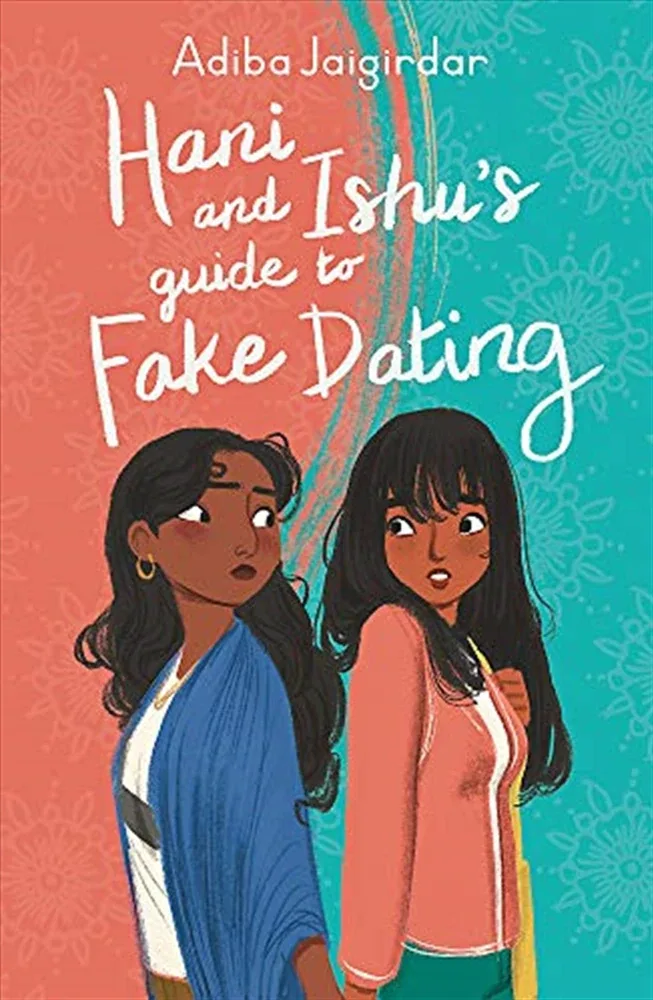
Hani invents a girlfriend after her friends dismiss her bisexuality; academically ambitious Ishu agrees to the arrangement for reasons of her own. Their bargain makes a familiar fake-dating setup serve a specific question about who gets believed. The girls’ different relationships with faith matter alongside their attraction.
Whose representation: Hani is bisexual, Bangladeshi Irish and Muslim; Ishu is Indian Irish and an atheist from a Hindu family.
Choose it for: Two Bengali girls in Ireland whose national, religious and family experiences are distinct; school ambition and friendship pressure make that difference part of the fake-dating story.
Before choosing: Biphobia, racism, Islamophobia and friendship conflict. This is not a story about two Muslim girls.
Premise and representation sources · checked 16 October 2026
These sources support the premise and named representation above; reading fit is Eikna’s editorial judgment. Content notes are selective, not a complete warning inventory.
Hachette Hani and Ishu — Book verification
Kirkus Hani and Ishu — Book verification
Search links do not verify a product or stock. Checked destinations retain their original check date; confirm the format and current availability with the retailer. Unverified product buttons are held.
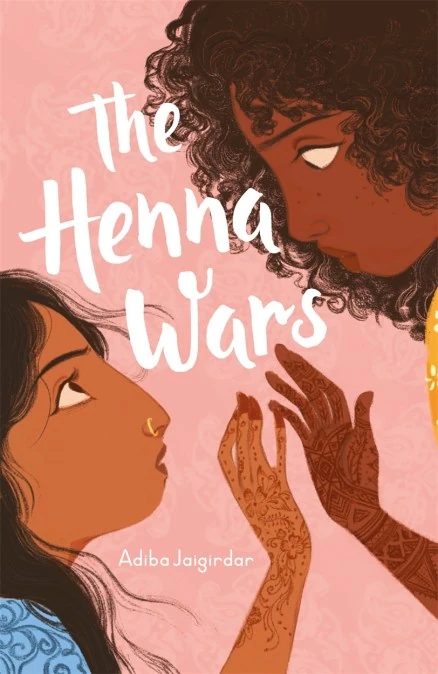
A school business competition turns Nishat’s crush into a rivalry when both girls work with henna. Cultural appropriation is part of the conflict rather than decorative background. Read it for a teen love story that also asks what happens when something personally meaningful becomes another person’s marketable idea.
Whose representation: Bangladeshi Irish Muslim lesbian Nishat and Brazilian Irish Flávia.
Choose it for: Muslim lesbian YA and a romance with a specific cultural dispute.
Before choosing: Homophobia, racism, outing-related concerns and cultural appropriation; do not generalize one family to all Muslims.
Premise and representation sources · checked 16 October 2026
These sources support the premise and named representation above; reading fit is Eikna’s editorial judgment. Content notes are selective, not a complete warning inventory.
Hachette The Henna Wars — Book verification
Kirkus author interview on The Henna Wars — Author interview
Search links do not verify a product or stock. Checked destinations retain their original check date; confirm the format and current availability with the retailer. Unverified product buttons are held.
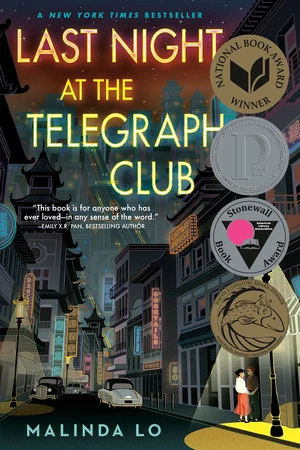
Lily’s attraction to Kath opens a door into a lesbian community while anti-Chinese suspicion threatens her family. The book places a young person’s private desires within a very specific city and political moment. Choose it for historical coming of age and the connection between racial belonging and queer belonging, rather than expecting a contemporary rom-com.
Whose representation: Chinese American lesbian Lily Hu in 1950s San Francisco.
Choose it for: Chinese American history and a teen discovering lesbian community.
Before choosing: Racism, homophobia and immigration-related fear; historical fiction with a love story.
Premise and representation sources · checked 16 October 2026
These sources support the premise and named representation above; reading fit is Eikna’s editorial judgment. Content notes are selective, not a complete warning inventory.
PRH Last Night at the Telegraph Club — Book verification
Search links do not verify a product or stock. Checked destinations retain their original check date; confirm the format and current availability with the retailer. Unverified product buttons are held.
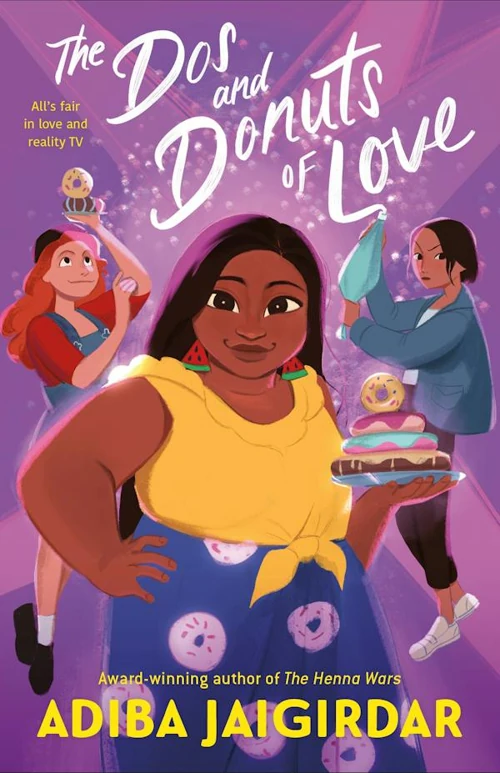
Shireen’s chance to compete on television brings professional hopes into the same room as an ex-girlfriend and a possible new attraction. The premise offers a different route from school fake dating: a teen trying to prove herself in a public contest. Choose it for food, competition and a romance shaped by more than one possible relationship.
Whose representation: Bangladeshi Irish Shireen; sapphic relationships in a baking competition.
Choose it for: A South Asian diaspora teen romance with baking and a love triangle.
Before choosing: Racism and fatphobia; romantic uncertainty is part of the plot.
Premise and representation sources · checked 16 October 2026
These sources support the premise and named representation above; reading fit is Eikna’s editorial judgment. Content notes are selective, not a complete warning inventory.
Macmillan The Dos and Donuts of Love — Book verification
Search links do not verify a product or stock. Checked destinations retain their original check date; confirm the format and current availability with the retailer. Unverified product buttons are held.
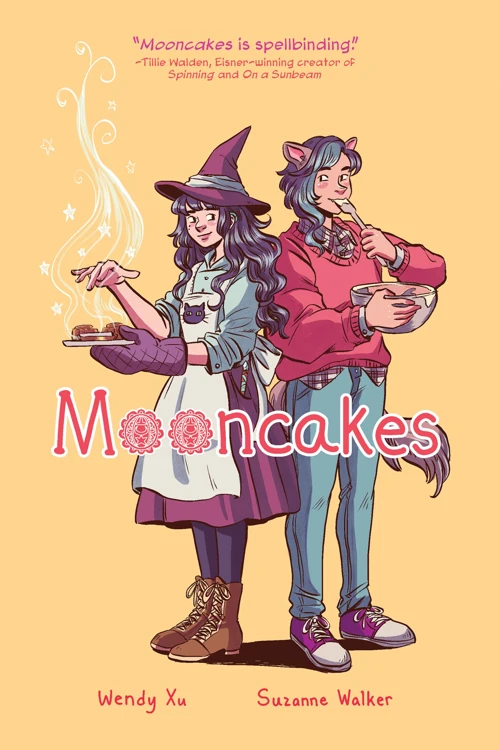
A witch working in her grandmothers’ bookshop finds her childhood crush facing a supernatural threat. Their reunion combines family support, magic and a central relationship without requiring a lengthy fantasy series commitment. Read it for the visual storytelling and the way several aspects of identity coexist in the characters’ daily lives.
Whose representation: Chinese American Nova and nonbinary Tam; Nova is hard of hearing.
Choose it for: A nonbinary love interest, Chinese American characters and an illustrated fantasy.
Before choosing: Magic-related danger and family conflict; a warm visual style is not a guarantee of no distress.
Premise and representation sources · checked 16 October 2026
These sources support the premise and named representation above; reading fit is Eikna’s editorial judgment. Content notes are selective, not a complete warning inventory.
Search links do not verify a product or stock. Checked destinations retain their original check date; confirm the format and current availability with the retailer. Unverified product buttons are held.
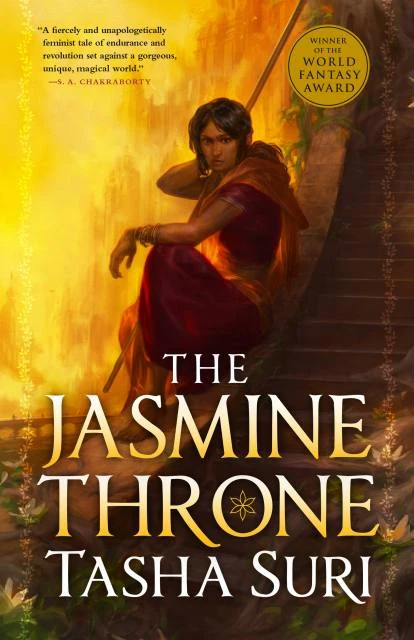
A servant with forbidden magic and an imprisoned princess meet within an empire whose hierarchies shape every choice. Their relationship is inseparable from competing loyalties and political power. Read it when you want a substantial epic with a sapphic thread; it asks for a different investment from a standalone courtship novel.
Whose representation: Indian-inspired secondary world; central women Priya and Malini develop a sapphic relationship.
Choose it for: Indian-inspired epic fantasy, morally difficult choices and power struggles.
Before choosing: Book one of The Burning Kingdoms; imperial violence, abuse and body horror. No standalone happy-ending promise.
Premise and representation sources · checked 16 October 2026
These sources support the premise and named representation above; reading fit is Eikna’s editorial judgment. Content notes are selective, not a complete warning inventory.
Hachette The Jasmine Throne — Book verification
Search links do not verify a product or stock. Checked destinations retain their original check date; confirm the format and current availability with the retailer. Unverified product buttons are held.
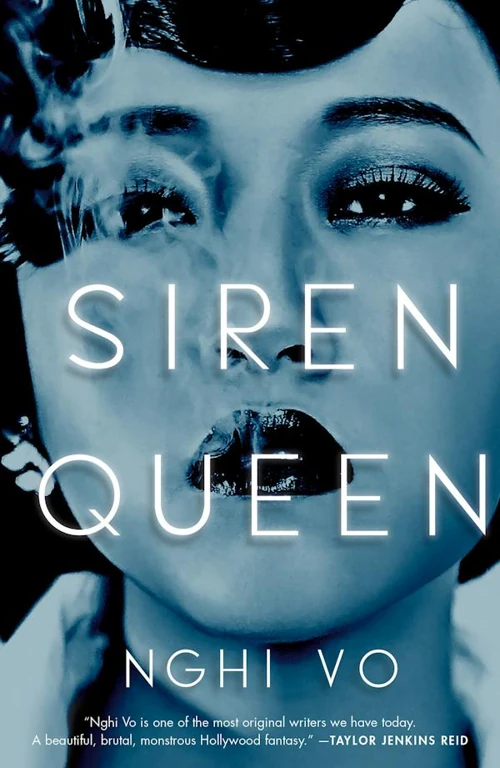
Luli pursues stardom in a movie industry where monsters are more than metaphors. Her refusal of the parts offered to her connects sexuality and race with the cost of ambition. Choose it for atmospheric fantasy about visibility and self-possession; the story is driven by a life and a career as well as relationships.
Whose representation: Chinese American queer woman Luli Wei; sapphic relationships in an alternate Hollywood.
Choose it for: An adult Asian American protagonist and uncanny Hollywood.
Before choosing: Racism, exploitation and threatening industry power; not a conventional genre-romance recommendation.
Premise and representation sources · checked 16 October 2026
These sources support the premise and named representation above; reading fit is Eikna’s editorial judgment. Content notes are selective, not a complete warning inventory.
Macmillan Siren Queen — Book verification
Search links do not verify a product or stock. Checked destinations retain their original check date; confirm the format and current availability with the retailer. Unverified product buttons are held.
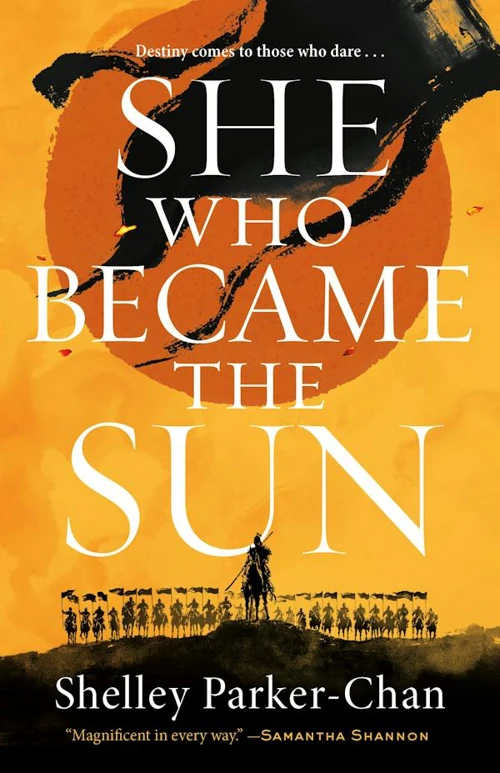
A person denied a meaningful fate takes a dead brother’s name and pursues power during a reimagined rise of the Ming dynasty. Gender is part of the novel’s inquiry into ambition and survival. The author has explicitly discussed writing a genderqueer character, which is stronger evidence than assuming that disguise alone establishes identity.
Whose representation: Chinese historical reimagining with a genderqueer protagonist and a relationship with a woman.
Choose it for: Political fantasy and complex gender exploration.
Before choosing: War, violence and bodily harm; first in a duology, not a standalone romance promise.
Premise and representation sources · checked 16 October 2026
These sources support the premise and named representation above; reading fit is Eikna’s editorial judgment. Content notes are selective, not a complete warning inventory.
Macmillan She Who Became the Sun — Book verification
Shelley Parker Chan interview — Author interview
Search links do not verify a product or stock. Checked destinations retain their original check date; confirm the format and current availability with the retailer. Unverified product buttons are held.
Read the cultural context, not a single umbrella label
Asian Irish life is not an interchangeable diaspora setting
Adiba Jaigirdar’s school and competition stories place young people in Ireland. Malinda Lo’s historical novel places Lily in 1950s San Francisco, where anti-Chinese suspicion changes the risks around family and belonging. Mooncakes uses a contemporary Chinese American fantasy setting and a graphic format. Choose among these contexts deliberately; a shared broad shelf label does not make their histories or communities the same.
Invented worlds need their own description
The Jasmine Throne draws on an Indian-inspired secondary world. That is not the same claim as a character possessing a real-world Indian nationality or practicing a particular present-day faith. She Who Became the Sun reimagines Chinese history and makes gender and ambition central to Zhu’s story. These selections belong here through clearly labeled cultural contexts and queer relationships, not because every book by an Asian author automatically qualifies.
Decide how much of the book you want the romance to carry
Hani and Ishu foregrounds dating; The Dos and Donuts of Love adds the pressures of televised competition and more than one romantic possibility. The epic fantasies ask you to invest in institutions, violence and political power as well as intimacy. Siren Queen is an uncanny career-and-life story, not a conventional courtship promise. Readers wanting a compact illustrated experience can compare Mooncakes with those much larger commitments. This eight-book selection is a starting point, not a survey of every Asian region or diaspora, and it does not stand in for Pacific Islander representation.
How to choose from this list
Choose diaspora life or an invented world
A contemporary diaspora story may focus on daily life within several cultural expectations. An epic fantasy can engage power and belonging through invented institutions. Both are worth reading, but calling every Asian-inspired fantasy a story about real-world Asian characters obscures the distinction.
Choose relationship focus before length
The school romances make dating central. The Jasmine Throne and She Who Became the Sun place relationships inside much larger political plots. Siren Queen follows a life and career. If you want a self-contained courtship, a long fantasy series should be an informed choice.
Read across age categories and formats
The adult novels and YA selections serve different audiences. Mooncakes uses visual storytelling and includes disability and nonbinary representation alongside Chinese American characters. Those connections are useful reasons to read rather than a checklist that guarantees personal resonance.
Frequently asked questions
Is Asian American the same scope as Asian sapphic books?
No. Asian American is a specific diaspora context. This page also includes Asian Irish characters and secondary-world fantasy, with each route labeled.
Does an Asian author mean the protagonist is Asian?
No. Author identity and character identity must be verified separately. An author-led list should say that it is author-led.
Are The Jasmine Throne and She Who Became the Sun romance novels?
They are adult fantasy recommendations with queer relationships. Do not choose their opening volumes expecting a complete standalone genre-romance resolution.
Which selection includes a nonbinary love interest?
Mooncakes includes Tam, a nonbinary love interest. Nova and Tam also have a Chinese American context; their inclusion is based on character evidence, not gender presentation.
These are reading choices, not a universal best-to-worst ranking. Recommendations combine inspected source information with original reader-fit analysis. Selected content considerations are not exhaustive; an omitted warning, age, ending or heat detail remains unknown. Artwork is editorial; the book jackets are authentic published covers, and a displayed jacket may differ from the edition a retailer offers.